9
9
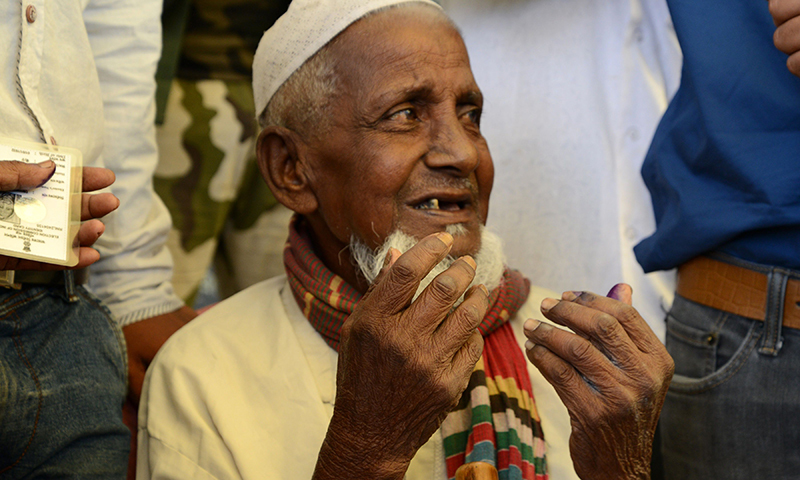
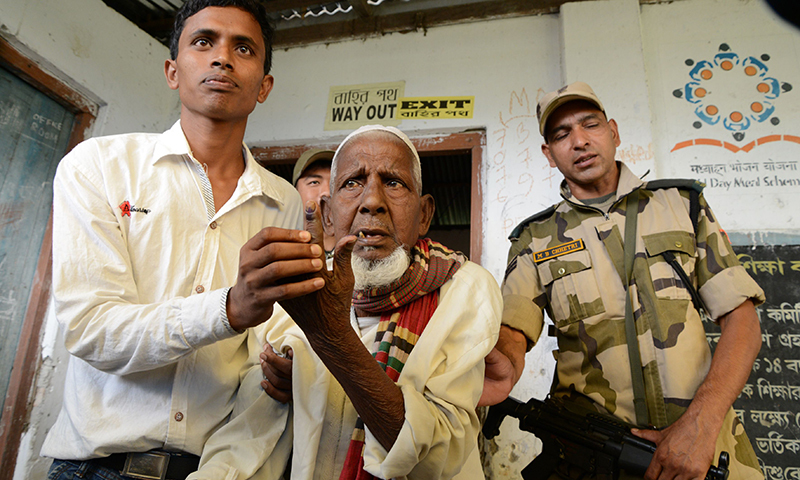
COOCH: Frail, aided by his grandson and beaming with pride, 103-year-old Asgar Ali was among thousands who cast their ballots for the first time in elections held in eastern India on Thursday.
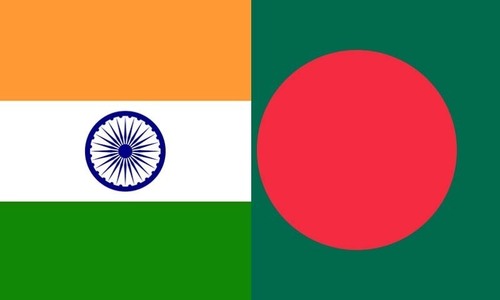
Caught in one of the world's most intractable border disputes, Ali had been stuck in stateless limbo for decades until a historic land swap last year between India and Bangladesh.
Ali, his 18-strong family and thousands of others became Indian citizens under the deal in which their Bangladeshi enclaves on the Indian side of the border ceased to exist.

On Thursday, they voted for the first time, in the final phase of assembly elections in West Bengal state, which have been dominated by feisty Chief Minister Mamata Banerjee and her regional party.
“I am very happy to have voted,” Ali told AFP through grandson Jamal Hussain.
“This is the first time ever that I have voted in, or participated in, the democratic process,” said Ali, who was helped by election officials at a polling booth in the district of Cooch Behar.
Last year's pact saw Bangladesh assume sovereignty over 111 Indian enclaves on its side of the border. India meanwhile took 51 Bangladeshi enclaves on its own side.
Enclaves are small pockets of one country's territory surrounded by the other.
It meant more than 50,000 people who were living in the enclaves could access citizenship benefits such as schools and healthcare that they had lacked since 1947.
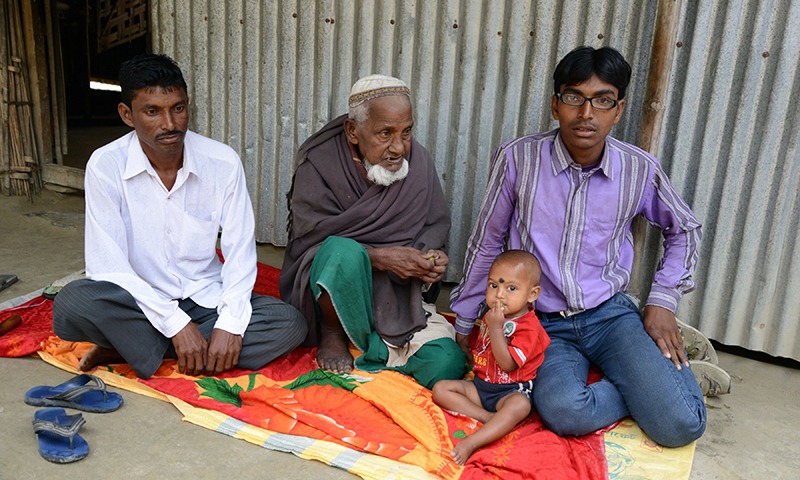
“I voted hoping that it would lead to change, some work in our village, in our neighbourhood. Maybe we will get a hospital,” said Ali, a former farmer who counts 18 immediate family members.
“All leaders are good. Whoever wins should get work done in our neighbourhood,” he added.
The enclaves dated back to ownership arrangements made centuries ago between local princes.
The parcels of land survived partition of the subcontinent in 1947 after British rule and Bangladesh's 1971 war of independence with Pakistan.
The overwhelming majority of people living in Indian enclaves in Bangladesh opted for Bangladeshi citizenship under the deal, rather than resettle across the border in India.
In India, all of those living in the 51 Bangladesh enclaves decided to stay put and take up Indian nationalities.
Counting and results of elections in West Bengal and four other states will be held on May 19.