0
0

DHAKA, Sept 23: More than 100 Bangladeshi garment factories were forced to shut on Monday as thousands of workers protested to demand a $100 a month minimum wage and about 50 people were injured in clashes, police and witnesses said.
Garments are a vital sector for Bangladesh and its low wages and duty-free access to Western markets have helped make it the world’s second-largest apparel exporter after China.
But the $20 billion industry, which supplies many Western brands, has been under a spotlight after a series of deadly incidents including the collapse of a building housing factories in April that killed more than 1,130 people.
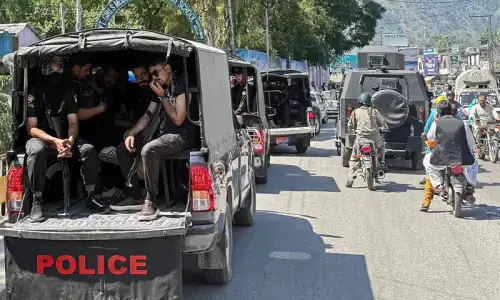
Workers took to the streets for a third day on Monday, blocking major roads and attacking some vehicles in the Gazipur and Savar industrial zones, on the outskirts of the capital, Dhaka. At least 50 people, including some policemen, were injured, witnesses and police said, as police fired teargas and rubber bullets, and workers responded by throwing broken bricks.
Some workers also vandalised factories, witnesses said.
“We had to take harsh actions to restore order as the defiant workers would not stop the violence,” a Gazipur police officer said.
Some protesters later attacked a camp of a paramilitary force known as the Bangladesh Ansar, or Village Guards, in Gazipur, looted some rifles and ammunition and injured five men.
“We’ve recovered all eight rifles, damaged from a roadside drain, but 120 bullets are missing,” said a district commander of the force, Nur Mohammad.
The monthly minimum wage in Bangladesh is $38, half what Cambodian garment workers earn. The government is in talks with unions and factory owners on a new minimum wage.
Bangladesh last increased its minimum garment-worker pay in late 2010 in response to months of street protests, almost doubling the lowest pay. Recently, factory owners offered a 20 per cent pay rise which workers refused, calling it “inhuman and humiliating”.
“We work to survive but we can’t even cover our basic needs,” said a protesting woman worker.—Reuters