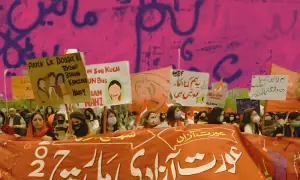
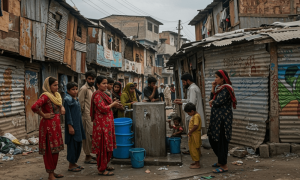
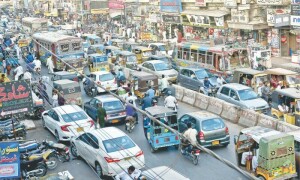
In today’s Karachi, equity is missing in how access is distributed. Public spaces often feel exclusionary because of unequal safety, comfort, and even healthcare.
The entire system allegedly operates free from the constraints of the law and institutional guardrails, beholden only to its political masters and their whims, and existing solely to rake in eyewatering fortunes for everyone involved.
Karachi’s promise as the country’s industrial capital has long been undermined by inconsistent priorities at the federal level, a shrinking PSDP contribution, and a political vacuum that leaves the city largely at the mercy of provincial authorities.
Embedding hygiene into dense urban environments requires deliberate planning aimed at providing a humane and convenient experience that can significantly enhance urban livability.
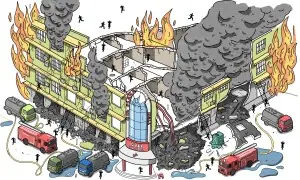
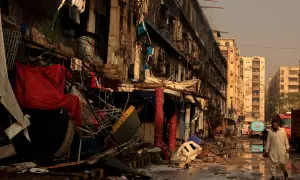
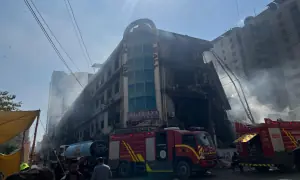
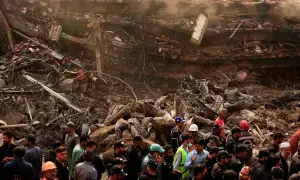
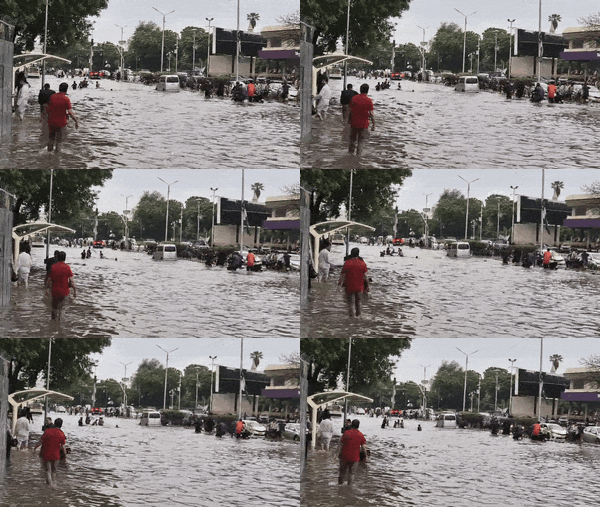
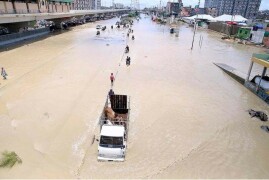
In Karachi, waiting has become part of the disaster itself: waiting for water, for help, for answers, for reforms. And in that waiting, lives are lost not all at once, but with each passing minute.
In March, the SBCA amended certain provisions of the Karachi Building and Town Planning Regulations, blurring the lines between amenity, residential and commercial use plots.
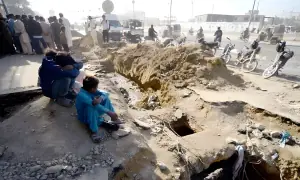
Karachi’s water crisis won’t be solved with billion-rupee mega-projects but through people-centred reforms that give informal settlements legal recognition and reliable services they can count on.