• Pakistan and Iran resolve to expand trade to $10bn; discuss early signing of free trade agreement
• Jam Kamal for removal of barriers in border logistics, cargo movement
• Tehran seeks greater trade thru Karachi, Gwadar
ISLAMABAD: Amid the ongoing conflict in the Middle East, Pakistan and Iran on Tuesday reaffirmed their commitment to achieving the shared target of $10 billion in bilateral trade, as Commerce Minister Jam Kamal Khan called for transforming “historic brotherly relations” with Iran into a robust economic partnership.
The renewed push for the ambitious target came as bilateral trade between the two countries stood at $3.129bn in the fiscal year 2024-25, almost three times lower than the projected target.
Full-year trade data for the fiscal year 2025-26 is yet to be compiled, but the first 10 months of the fiscal year placed bilateral trade volume at $2.277bn.
Bilateral trade between the two countries is carried out through a barter mechanism because of sanctions and the absence of banking facilities. Therefore, the Trade Development Authority of Pakistan (TDAP) compiles trade data based on Iranian customs figures, which are the primary source for this data.
Since March this year, both countries have rolled out a series of measures to facilitate border trade, including easing customs procedures, formalising Taftan as a customs station and notifying new transit routes, against the backdrop of the ongoing US-Iran conflict that has strained economies in the region and beyond.
The latest engagement took place at the 10th session of the Pak-Iran Joint Trade Committee (JTC), which is being held in Islamabad from Aug 3 to 5.
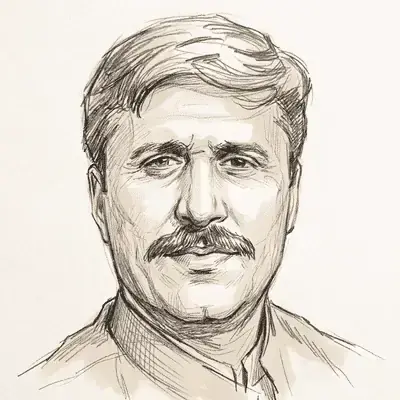
The meeting was co-chaired by Iranian Minister for Industry, Mine and Trade Mohammad Atabak and Pakistan’s Commerce Minister Jam Kamal Khan.
On the occasion, Mr Kamal underscored the urgency of finalising the Pak-Iran Free Trade Agreement, according to a statement issued by the commerce ministry.
He called for the removal of barriers in border logistics and cargo movement, highlighting that joint border markets and electronic data interchange could significantly boost trade flows.
He also emphasised the need to promote investment, encourage joint ventures and strengthen business-to-business contacts to unlock new commercial opportunities.
The commerce minister called for operationalising and expanding border markets, promoting barter trade as a practical mechanism to facilitate bilateral commerce and enhancing trade facilitation measures to support businesses on both sides.
He said the private sector in both countries was prepared to expand trade, stressing that it was the responsibility of both governments to provide a “predictable and favourable” environment for businesses.
Mr Kamal expressed the hope that the JTC meeting would help develop a practical roadmap to transform trade connectivity and raise bilateral trade volume to its maximum potential, the statement said.
The Iranian minister described Pakistan as Iran’s “long-term strategic trade partner”, the statement said.
He expressed Tehran’s desire to expand regional trade and logistics cooperation through Karachi and Gwadar ports and voiced optimism that the Pak-Iran FTA would be concluded soon.
Dr Atabak said electricity trade and regional connectivity were “new avenues of economic opportunity” for both countries.
During the bilateral meeting, the two ministers reviewed progress on bilateral trade and agreed to further strengthen institutional cooperation, facilitate greater engagement between business communities, promote investment and joint ventures, encourage regular B2B interactions and accelerate implementation of mutually agreed initiatives aimed at enhancing trade, transit and economic cooperation.
Both sides expressed satisfaction over the positive trajectory of bilateral relations and reaffirmed their resolve to work closely for the timely implementation of agreed initiatives, with the shared objective of unlocking the full potential of Pakistan-Iran economic relations and achieving the $10bn annual bilateral trade target.
Pakistan’s major export to Iran is rice. It was agreed in Tuesday’s meeting that Tehran would enhance imports of other rice varieties from Pakistan.
Iran has also emerged as Pakistan’s biggest mango export market this year, recording growth of nearly 60pc.
Pakistan’s imports from Iran include petroleum gases and other gaseous hydrocarbons, besides other products.
Published in Dawn, August 5th, 2026