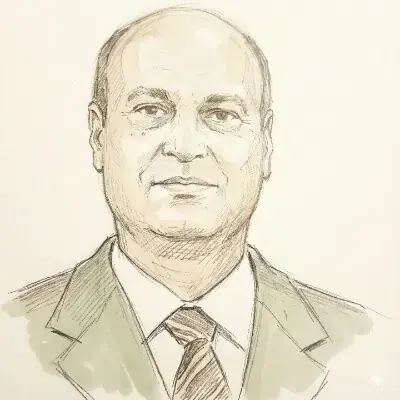
ISLAMABAD: Deputy Prime Minister and Foreign Minister Ishaq Dar on Saturday said that elevating medical education standards was crucial for the health and well-being of citizens.
“Our institutions must be empowered to provide top-tier education and training to our future medical professionals,” he said while chairing the second meeting of the committee on ‘Medical Education’.
He stressed on the importance of nurturing a conducive environment for medical students to enable them to excel and contribute meaningfully to the healthcare sector.
“Our government is committed to supporting the next generation of healthcare professionals and ensuring that they receive the best possible education and training,” Mr Dar said, emphasising the government’s dedication to enhancing healthcare through comprehensive improvements in medical training and education and come up with concrete recommendations.
According to a statement, the meeting was attended by National Coordinator to the Prime Minister on Health Dr Malik Mukhtar Ahmad Bharath, Law Minister Azam Nazeer Tarar, MNA Dr Nafeesa Shah, Health Secretary Nadeem Mehbub, Pakistan Medical and Dental Council President Prof Dr Rizwan Taj, Higher Education Commission chairman, CPSP president, additional foreign secretary and heads of prominent public and private medical institutions as well as eminent experts from the medical community.
In his opening address, the deputy prime minister highlighted the essential role of robust medical education in tackling the nation’s healthcare challenges.
The discussion focused on improving the quality of medical education in Pakistan, including but not limited to, bringing education at par with international best practices, measures to streamline admission in foreign medical colleges, improving coordination between public and private sector as well as regulatory bodies to ensure uniform quality of education.
The next meeting will be held on June 29 after which a report will be submitted to the prime minister.
It is worth mentioning here that, in the third week of May, Prime Minister Shehbaz Sharif had established a 25-member committee to address medical education issues and discuss adjusting students, who returned from Kyrgyzstan, in Pakistani medical colleges.
The committee had to submit its report in 10 days but it (report) could not be finalised till date.
The committee, headed by Foreign Minister Ishaq Dar, held its first meeting in the Ministry of Foreign Affairs. The members of the committee include Minister for Economic Affairs Ahad Cheema, Law Minister Azam Nazeer Tarar, PM Coordinator on Health Dr Malik Mukhtar Ahmad Bharath, MNA Dr Nafisa Shah, retired Maj Gen Azhar Kayani, secretaries of ministries of health and foreign affairs, HEC chairman, PMDC President Dr Rizwan Taj, Vice Chancellor (VC) Shaheed Zulfikar Ali Bhutto Medical University Prof Tariq Iqbal, Dean Khyber Medical College Dr Mehmood Aurangzeb, provincial secretaries and others.
A member of the committee, wishing not to be quoted, said the committee was considering challenges the public sector and private medical colleges were facing.
“Moreover, quality of education is also being discussed. We are also looking into the deficiency of seats in public and private medical colleges so that the difference of demand and supply could be bridged,” he said.
The member said the committee was also looking into the registration process of medical colleges and would discuss the admission of students in medical colleges which were not registered.
“The committee will also devise a policy regarding admission of students in foreign medical colleges and will also analyse how many of them were studying abroad,” he said.
It is worth mentioning here that the committee was established after hundreds of Pakistani students returned following violent clashes in Bishkek, Kyrgyzstan.
Published in Dawn, June 23rd, 2024