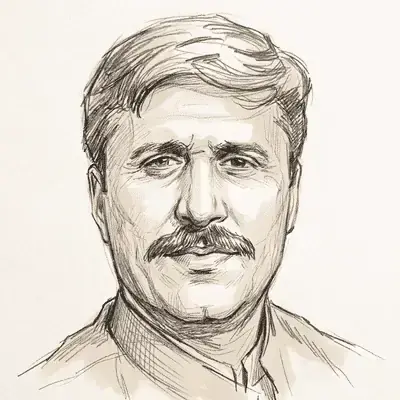
ISLAMABAD: Federal Board of Revenue Chairman Ashfaq Ahmed on Friday admitted that it was difficult for the government’s economic team to defend withdrawal of Rs343 billion sales tax exemptions on the plea that these were mostly meant for the elite of the country.
“I found it difficult to defend or defer the withdrawal of these exemptions during our negotiations with the IMF,” responded Mr Ashfaq while replying to a question at a news conference to explain salient features of the Finance (Supplementary) Bill 2021 on Friday at FBR headquarters.
The top taxman went on to say that the current exemptions in force for the last 70 years failed to spur industrialisation. However, he said that the FBR has successfully defended exemptions worth Rs356bn available to different sectors including common citizens.
The IMF originally demanded the withdrawal of Rs700bn tax exemptions. He agreed to a question that it was a very difficult decision politically to remove these distortions from the tax system. “I could not go ahead without the support of Prime Minister Imran Khan on these major decisions,” the chairman said.
He said the withdrawal of these exemptions will help to improve the public finance system of the country. He completely ruled out that the withdrawal of exemptions will lead to an increase in inflation. In the pharmaceutical sector, he said prices of medicines need to be reduced because the government allowed input tax adjustments.
The chairman said that the sales tax rate was enhanced on high-end mobile phones -- $200 and above -- the fixed sales tax amount was replaced with a standard rate of 17pc ad vol. This means that a high-end mobile that costs $1,300 will now be subject to a sales tax amount of Rs42,000 as against the existing amount of Rs9,270 per set. The FBR expects to raise an additional amount of Rs7bn from this change in sales tax rates.
It has been proposed to end tax exemption on zero-rated items, which included the import of large ships for repair & maintenance, imported bicycles and imported formula milk. This change, he said, will raise an additional Rs9bn in taxes. The chairman, however, said the impact of these items on daily use will be mitigated through targeted subsidy.
At the import stage, he said, exemptions were withdrawn on 59 items, which will lead to raising additional Rs206bn. These mostly include -- live animals, birds & eggs, meat of cow, buffalo, sheep, goat, poultry meat & fish, vegetables except imported from Afghanistan, cereals, fish feed & animal feed, journals & periodicals, pharmaceutical raw materials.
The chairman said the impact of these items on daily use will be mitigated through exemptions on the local supply of these items.
The FBR withdraws exemption on local supply of 11 items which will generate an additional Rs9bn. These include items sold in big bakeries & sweet shops, foodstuff served in-flight kitchens, sausages & branded products of poultry meat, locally produced rapeseed, mustard seed (on a par with cotton-seed oil), sprinkler, drip & spray pumps.
It is estimated to raise Rs82bn from the withdrawal of exemptions on the import of 19 capital goods. These include power generation, power transmission, renewable energy like solar, wind, nuclear, mining & extraction of minerals, CKD kits for single-cylinder engines, etc.
The rate of GST was raised to 17pc from 1-10pc on 42 items, which will raise additional revenue of Rs30bn. These include locally manufactured cars, hybrid electric vehicles, import of EV in CBU condition, import of re-meltable scrap, dairy items sold in branded packaging, branded cereals, silver, gold bars & jewellery, and various types of plant & machinery.
The chairman said that that out of Rs700bn, Rs530bn is undocumented in the pharmaceutical sector. Currently, he said the pharma sector passes Rs35bn input tax to patients. Now, this input will be refunded which the sector should now transfer to patients in the shape of reducing prices of medicines.
Published in Dawn, January 1st, 2022