0
0


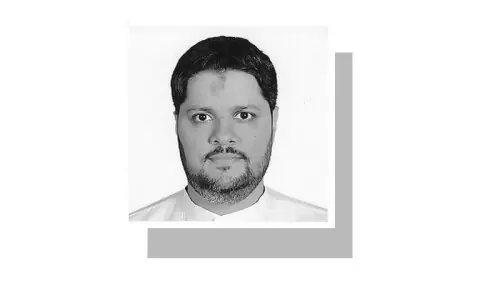
“There have been disturbing reports that the EU may exclude Pakistan's apparel exports from the list of products that will get preferential trade treatment. Any trade concession package that does not include apparel exports will be inadequate and useless,” Pakistan Readymade Garments Manufacturers and Exporters Association (PRGMEA) chairman Ijaz Khokhar told Dawn on Monday.
Khokhar said the apparel sector was the largest source of employment in the textile industry and “it must be given duty-free access to Europe and America if they wanted to help Pakistan, as the country's economy has been battered by the decade-long war on terror and more recently by the floods.”
The EU last month agreed to grant exclusively to Pakistan increased market access to its market through immediate but time-limited reduction of duties on its exports to support its economy in the wake of widespread destruction caused by the worst floods in decades.
But the EU statement did not mention the duration, coverage and scope of the concessions, saying details would be announced some time in October.
The implementation of the proposal will be subject to a waiver from the World Trade Organisation (WTO) to preclude the possibility of it being challenged by other trading partners of the EU, like India and Bangladesh.
Additionally, the EU package will also account for industrial sensitivities of its several member states, like France, Italy and Spain, which, according to some Pakistani apparel exporters, meant that readymade garments and knitwear exports from the country may not “qualify” for the trade concessions.
According to some officials in the commerce ministry, the initial EU proposal offered to give enhanced access for those textile products - such as home textiles, yarn, etc - in which Pakistan is already top supplier.
“What's the point in giving us concessions on products where we don't have any competition in the EU market?,” asks Khokhar.
“That will bring us hardly $50 million or so as additional export revenue. If the EU wants to help Pakistan, it should allow duty-free access to our apparel products as well. The industry calls upon the government to do its level best to get trade benefits for the apparel sector if the country's flood-hit economy has to be revived and jobs created.”
The country, he said, could earn additional export revenue of $500 million only if the EU trade package included the entire range of textile exports from Pakistan.
Tthe EU has repeatedly rejected Pakistan's requests for duty-free access to its textile exports into the European market under its GSP Plus scheme.
“Pakistan needs help from the world to put its sliding economy back on the path of recovery and create jobs. The best and easiest way of helping this flood-hit nation would be to give preferential, duty-free treatment to its exports of textile goods,” Khokhar insisted.
When approached, a textile ministry official told this reporter that it was premature to say anything on the proposed EU trade benefits package.
“The EU is yet to give final list of products that will qualify for the concessions. Pakistan is asking the EU to allow all textile exports the duty-free access to its market. We have given them (the EU) our proposal and list of different categories of garments that we want to be included in the list of products that will be given preferential treatment,” the official said.