0
0


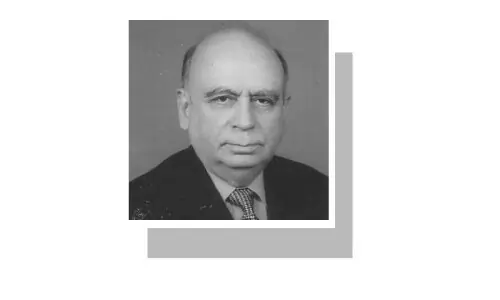
The resignation of Syed Salim Raza from his post as governor of the State Bank of Pakistan could not have come at a worse time. With the federal budget due to be announced on Saturday, the clouds of political disagreement that hang over Mr Raza's resignation send out worrying signals. Mr Raza took charge in January last year, just after Pakistan had signed a billion-dollar loan agreement with the IMF to stave off an impending crisis on its foreign payments. Since then, the country's economy has suffered relentless buffeting. Mr Raza has cited personal reasons for his decision. It is unclear whether there were any additional concerns.
However, it may be significant that the resignation came just a day after the SBP painted a gloomy picture of the future in its third quarterly report on the economy. The analysis held it likely that the agriculture sector's growth would remain below target while the fiscal deficit mark would be much higher than earlier estimates. Resurgent inflationary pressures were also expected. Highlighting the increasing current expenditure and the low tax to GDP ratio, the financial institution underscored the need to attract new investment by implementing reforms to increase economic efficiency and improve the business environment.
This would certainly have put additional pressure on a government already beleaguered by multiple issues that have an adverse impact on the economy — an expensive war against the militants, the power crisis and tensions between political parties and among provinces over sticking points ranging from taxes to the Punjabi Taliban. Nevertheless, it would have been expected that the government would carefully consider the concerns raised by the SBP governor. Mr Raza's resignation raises suspicions about disagreements of a political nature, which is an impression the country cannot afford to send out in the current climate of uncertainty.