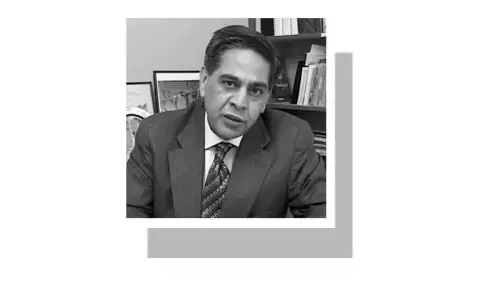
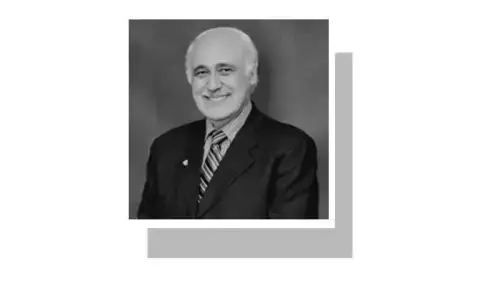
KARACHI, Feb 3: Oral cancer is the second most common malignancy in Pakistan which is mostly observed in a relatively younger population with 30 per cent of patients up to 40 years of age and younger, says Dr Shahid Pervez, senior professor and consultant pathologist at the Aga Khan University Hospital.
People addicted to paan and those using smokeless tobacco, including gutka and naswar, were about eight to nine times more likely to develop oral cancers as compared to non-users, he said.
He was speaking at a public awareness seminar on oral cancer held at the Latif Ebrahim Jamal National Science Information Centre, University of Karachi, on Sunday.
He said that it was one of the most common cancers worldwide with high mortality and low five-year survival rates but there was insufficient information on its etiological assessment and molecular characterisation.
Dr Shahid said that oral cancer represented the second most frequent malignancy among both men and women. It was largely associated with extremely prevalent chewing habits, he said, adding the most popular chewing products were paan, chalia, gutka, naswar and tobacco.
He said that there were various ways of preparing these products but the main ingredients were always betel, areca and or tobacco. Betel-quid extract was known to contain some areca derived nitrosamines which were potent carcinogens, he said.
The malignancy was compounded with high incidence of cigarette smoking and the most common histological type of oral cancers was squamous cell carcinoma (OSCC) comprising more than 90 per cent of all cases, he said.
He said that poor oral hygiene was another factor to the spread of this cancer and an interplay of these hazards was contributing towards endemic rise of oral cancers in Pakistan, particularly in its southern part.
Dr Shahid said that as the oral cancer was largely preventable concerted efforts should be made to educate general public about hazards of chewing and smoking.
Besides, there was an urgent need to introduce screening programmes in high risk populations to diagnose the disease at an early stage where cure was possible, he said The seminar was jointly organised by Dr Panjwani Centre for Molecular Medicine and Drug Research, Karachi University, and Virtual Education Project Pakistan.
Health professionals, students, research scholars, representatives of NGOs and members of general public attended the seminar.—APP