0
0

ISLAMABAD, Jan 30: The United States reassured Islamabad on Wednesday that it would not abandon Pakistan after the drawdown of coalition forces from Afghanistan completes in 2014.
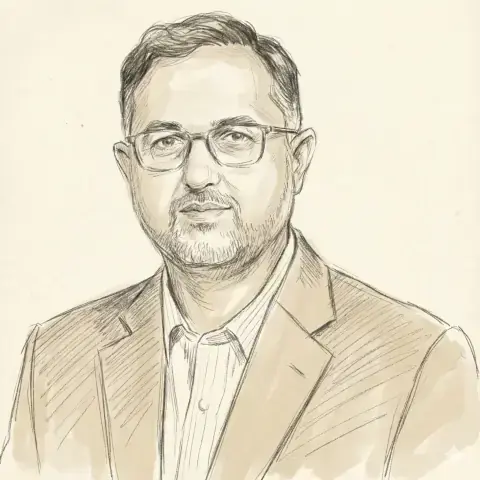
“My core message today is that the US is committed to a cooperative and long-term partnership with Pakistan -- far broader than any one issue, and centred on areas of mutual interest,” US Ambassador to Pakistan Richard Olson said at the Institute of Strategic Studies, Islamabad. He made it clear that Washington’s ties with Islamabad were not linked to “commitments and responsibilities in Afghanistan” and that it was too simplistic to look at the Pakistan-US relationship just from the Afghan prism.
But still there was a lot of emphasis in Mr Olson’s speech on the need for Islamabad to extend unreserved support for reconciliation in Afghanistan, while reiterating that Pakistan can be an equal partner in the process in a manner that safeguards its interests. The envoy made a reference to continuing distrust in the relations in spite of some improvements.
His comments came amidst a strong debate among Pakistan’s foreign policy strategists about the future of Pakistan-US ties after 2014. One school of thought among Pakistani officials holds that the US, in a repeat of 1989, would ditch Pakistan and work for containing it. The other is of the view that Pakistan’s nuclear weapons and extremism would keep the Americans engaged with Pakistan.
Mr Olson said 2014 was not 1989 and that “it (relationship) is not dictated solely by the requirements of today, but rooted in the joint realisation that the security and prosperity of our peoples is better served when we remain engaged and cooperate.”
The US ambassador listed the reasons for his country’s continued commitment to Pakistan as: Pakistan’s increasing global influence, regional weight, role in Muslim world and the projection that it was likely to become the world’s fourth most populous country by 2050.
He cited assistance for improving energy supply, promoting economic opportunity, helping improve health and education, supporting democratic institutions and strengthening the protection of human rights – as “tangible sign of our (US) long-term investment” in Pakistan.
He dwelt at length about what the US was doing for Pakistan in each of these sectors.
Mr Olson was candid in reminding Pakistanis that despite all the improvement in ties after the challenging events of 2011-12, everything was not still hunky-dory and a certain level of distrust persisted.