10
10


ISLAMABAD, July 10: With the National Assembly adopting an overhauled contempt of court law, a new debate is under way on the question whether the Supreme Court will strike it down forthwith or accept parliament’s right to legislation.
Apparently, the government intends to protect under the amended law Prime Minister Raja Pervez Ashraf who has been asked to report to the court on Thursday about the NRO judgment’s implementation.
The new law is yet to be endorsed by the Senate and then signed by the president — mandatory stages required to complete any legislation.
A couple of petitioners challenged the proposed law in the apex court on Tuesday, terming it a mala fide act on the part of the government against the judiciary.
Most legal experts are of the view the Supreme Court wouldn’t look at it favourably.
However, they argued differently when asked if the court would immediately strike down the whole of it or suggest to the government some changes and send it back to parliament.
They agreed that it wasn’t as simple an issue as suggested by some that the court would reject it without hearing the government’s point of view.
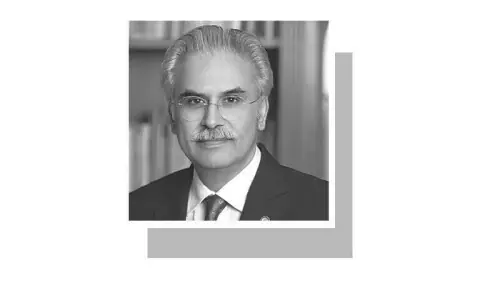
Former attorney general Anwar Mansoor said that instead of taking up separate petitions to address controversies over the new contempt law, the apex court would go ahead with the much talked about NRO judgment implementation case and give its opinion on the questions raised in the pleas.
In response to a question he said the emphasis of the new law was on protecting the offices of the president and prime minister against prosecution on contempt charges and right to appeal that would allow even a convict of contempt charges to get rid of his punishment after filing an appeal.
He said in the presence of Article 190 — “all executive and judicial authorities throughout Pakistan shall act in aid of the Supreme Court” — the court would see what provisions of the incoming law contravened its powers.
Moreover, he said, with the formulation of the new law, the government intended to neutralise Article 63(1)(g) under which a member of parliament could be disqualified if found guilty of defaming and ridiculing the superior judiciary.
Under the new law, once passed, a convict of contempt charges will simply have to file an appeal to get the punishment suspended.
A fair comment on a court judgment has also been exempted from contempt of court charges in the new law.
“To me, it is a serious issue and the court will take time before it strikes down the new law,” said Mr Mansoor, a Supreme Court lawyer.
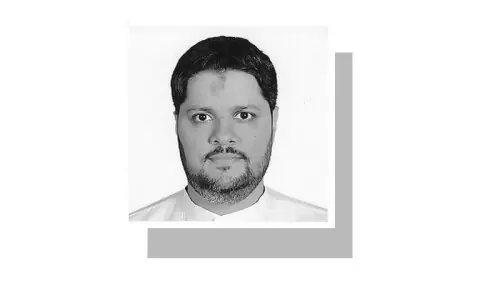
Dr Khalid Ranjha, who held the portfolio of law ministry for a brief period during Gen Pervez Musharraf’s rule, said the focus would be on a couple of provisions of the new law that would protect top government functionaries from contempt of court charges in exercise of their powers, and their right to appeal.
Dr Ranjha said the apex court would surely not give the mew law a favourable look. However, he called for patience on both sides to address the emerging constitutional situation.
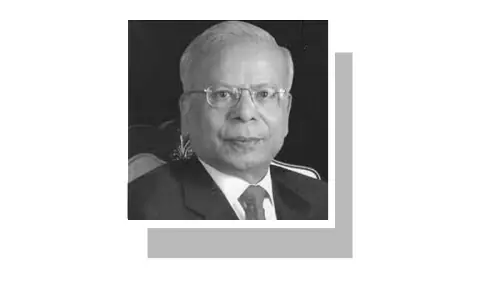
Chaudhry Ramzan, chairman of the free legal aid committee of the Pakistan Bar Council, said the new law would definitely affect proceedings of the NRO case.
Once passed, the Supreme Court will have to follow the new law and, therefore, it would see if the legislation was ultra vires before proceeding with the case, he said.
He didn’t mince words when asked if the executive and the judiciary were heading towards a showdown, saying things were really getting murky and even “we in the legal fraternity don’t know when and how this ongoing controversy would settle down between the two state institutions”.
Barrister Zafarullah Khan said that by passing the new law the government wanted to buy more time for Prime Minister Ashraf, but it all depended on the SC — whether it wanted to give some time to the government.