0
0

KARACHI: All containers passing through Pakistan to supply Nato troops in Afghanistan are to be scanned to ensure they do not contain ammunition and weapons, customs officials said on Friday.
Islamabad reopened overland routes to Nato convoys earlier this week after closing them in protest at a US air raid that killed 24 Pakistani soldiers at a border post in November.
A number of trucks have already crossed into Afghanistan, but the vast majority are still at the Karachi port, where they have stood idle for the past seven months.
Ties between Washington and Islamabad plummeted following the air strike and blockade, which ended after US Secretary of State Hillary Clinton said sorry for the deaths.
The two sides are still rebuilding trust and officials in Karachi said there would be thorough checks to ensure the convoys conformed to parliamentary guidelines barring the transport of lethal supplies.
“We scanned the containers randomly in the past, but now every container will be duly scanned,” Karachi customs spokesman Qamar Thalho said.
He said any item “not mentioned in the agreements between Pakistan and Afghanistan and Pakistan and Nato” could be seized.
An official speaking on condition of anonymity said the move was intended to stymie opposition parties and religious groups – who have criticised the resumption of supplies.
“A strict scanning of the cargo is just one important measure not to give enough space to the opposition to exploit public sentiments,” the official said.
Religious parties and campaign groups held protests against the resumption of Nato supply lines in Karachi, Islamabad and Multan on Friday.
Up to 1,500 trucks packed with Nato supplies have been stranded in Karachi during the blockade, unable to unload and find other work.
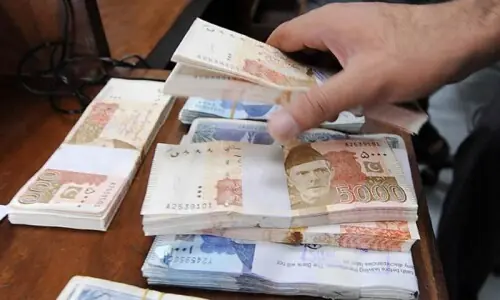
Rana Mohammad Aslam, vice president of the All Pakistan Goods Carrier Association, said 560,000 rupees ($6,000) compensation per vehicle would be paid to the truck owners by Nato subcontractors.
The land routes into Afghanistan are vital as the United States and Nato withdraw troops and equipment built up since the 2001 invasion.
The blockade had forced the United States and its allies to rely on longer, more expensive routes through Central Asia, Russia and the Caucasus, costing the US military about $100 million a month, according to the Pentagon.—AFP