26
26


PESHAWAR: Like many in Pakistan, 13-year-old Kamran Khan's family did not have enough money to send him to school. He was such a promising student that a local private school allowed him to attend for free, according to his older brother.
Kamran never asked for anything, his brother Saleem Khan said. But last month, he pleaded with his mother for days to buy him a new school uniform, a white shalwar kameez, the loose-fitting shirt and pants worn by both men and women in Pakistan. He was embarrassed that his old one was worn out and patched up.
His mother sympathized with him but repeatedly told him the family didn't have the money. She finally lost her patience a week ago and slapped the boy, according to the brother's account. The youth responded by threatening to kill himself if his parents could not buy him the uniform.
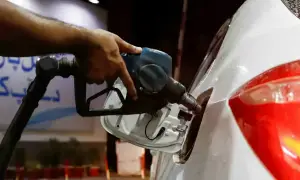
Kamran then stormed out of the house, doused himself with gasoline and lit himself on fire. He suffered burns on 65 per cent of his body and died of his wounds on Saturday, family and officials said Sunday. He was in an army-run hospital in Punjab province, but the family could only raise one-tenth of the roughly $5,500 they needed for his treatment and so he did not get the care he needed.
His family had been struggling to get by and provide for their children, even with the school fees waived. Khan's father borrowed money from relatives to buy a work visa to Saudi Arabia four months ago, but has not managed to find a job there, said Saleem Khan. The mother works as a maid.
The teen used to wander the streets in Shabqadar, a town of 60,000 in northwest Khyber Pakhtunkhwa province, looking for bits of metal scrap and other items to sell, said his brother.
The family's plight was similar to many of Pakistan's poor, desperately hoping that education could be the ticket to climbing up from the bottom rung of society.
Around 60 per cent of Pakistan's 170 million people live at the poverty level of less than $2 per day, according to the World Bank.
Public school fees average only around $2 per month, but even this is often too much for poor Pakistanis with large families.
About 30 per cent of Pakistanis have less than two years of education, according to a report issued last year by the Pakistani government.
The results are poor even for those kids who do attend school. Around 50 per cent of school children aged six-16 can't read a sentence, said the report.