



 0
0

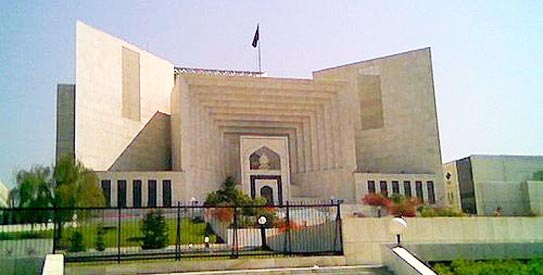
ISLAMABAD: With the Supreme Court expected to take up the review petition of former ambassador to the US Husain Haqqani on Tuesday, the court released on Thursday a detailed judgment in the memo case, which explained why it set up a judicial commission to investigate the controversy.
In its judgment, the court held that the memo issue was of great public importance and therefore could not be brushed under the carpet.
It said the matter involved a threat to the enforcement of citizens 'fundamental rights', including their right to life (Article 9) and dignity (Article 14).
Thus, instant petitions have raised serious question of public importance, which, prima facie is linked with the enforcement of fundamental rights based on cogent material available on record, the verdict said, adding that the petitions being maintainable 'empowered the court to make declaration for the enforcement of fundamental rights based on the report of probe through the commission, which had already been constituted to ascertain the origin, authenticity and purpose of creating/drafting memo'.
The main judgment authored by Chief Justice Iftikhar Mohammad Chaudhry said that 'once a country's sovereignty and independence was compromised, the lives and dignity of its citizens could not but be adversely affected and therefore the Supreme Court finds itself compelled to hold the petitions maintainable under its original jurisdiction'.
The judgment also responded to the allegations levelled by Advocate Asma Jehangir who described the petitions as 'benami' since the pleas taken by the respondents the Chief of Army Staff and ISI director general seem to be the case of the petitioners which they 'filed with a mala fide intention'.
The court observed that defence functionaries were bound to discharge their functions strictly in accordance with the Constitution.
The affidavits/counter affidavits filed by both the officers of Pakistan Army 'suggest about the events, which took place after Oct 10 last year, also not denied by the federation through the attorney general'. A
s certain facts were placed before the judges, it did not mean that they were supporters of the petitioners, the verdict said, adding that 'ascertainment of origin, authenticity and the purpose of the drafting/creating the memo was a matter of public importance and prima facie calls for enforcement of their fundamental rights'.
'Hence, whosoever laid information before the court, calls for due consideration as the object is to see what he is speaking, and not who is speaking the same,' the judgment said.




























