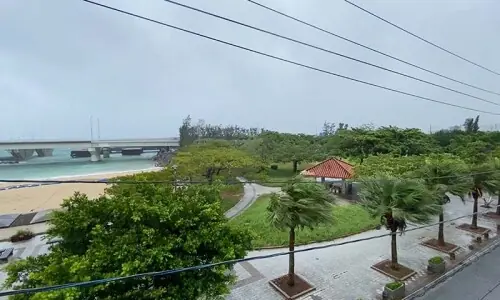
ISLAMABAD, Nov 30: An estimated 10 million gallons of raw sewage flows directly into Rawal Dam every day.
A new report available with the Capital Development Authority (CDA) prepared while keeping in view the feasibility of installing four treatment plants at Bari Imam and Bhara Kahu made this disclosure.
“If you dip a 250 ml polythene glass into the lake you will extract 475 coliform per ml in it (coliform are bacteria present in human faeces). In most cases that is enough bacteria to put a person in hospital,” said an official at the CDA on the basis of anonymity. “The situation is so bad that we have even found scabies mites in the water of the Rawal Lake,” he claims.
According to the report, the nitrogen and phosphorous content is high enough to allow harmful bacteria to proliferate and kill the natural fauna and flora in the long run.
“That explains the change in colour of the floor of the lake, which has turned from dark green to black to muddy brown. Even images from Google Earth show these changes,” said an environment expert with the devolved Ministry of Environment.
The report said that raw sewage was discharged into the lake from a catchment area spread across 70,000 acres and included both Islamabad Capital Territory and non-Islamabad Capital Territory. Sixty five per cent of the raw sewage was discharged directly from ICT territory from Bari Imam and Bhara Kahu, primarily from houses in Dhoke Chobhun, Simli Road and Madina Town.
A Pakistan Environment Protection Agency (Pak-EPA) official recalled the Supreme Court had taken suo motu notice in 2010 about the contamination of Rawal Lake water when an official had complained what he believed was criminal neglect of the lake and unauthorised construction activities in the catchment areas upstream in the ICT jurisdiction.
“While illegal construction and water contamination continues, they are busy preparing reports. Madina Colony in Bara Kahu is one of the worst examples of unauthorised housing societies where solid waste is overflowing on to the streets,” the official described the horrific situation.
He also disagreed with the construction of soak pits in Banigala as short-sighted that will ultimately be detrimental and contaminate the aquifer.
Given that the current population in ICT stands at 230,000 plus and is expected to grow to 1 million by 2050, the report has stressed the need to improve existing sewage treatment plants and add four new ones at those points to clear phosphorous and nitrogen containing compounds in particular.
Saeedullah Bangash, CDA's director-general Design and Structures, said work on the treatment plant would take time. “The CDA is working on a treatment solution for the entire city. Population in the federal capital and its surroundings has grown faster than imagined. We have to be dynamic in our approach to cater to sewage treatment of the entire city.”
The CDA official echoed this and said Rawalpindi's drinking water problem is to be blamed on the out-dated treatment plant.
“Wasa's system cannot prevent contamination by bacteria and parasites, which are constantly evolving. However, it can disinfect it by chlorination and UV technology,” he said explaining how it was impossible to kill all bacteria in water even in First World states.