0
0

WASHINGTON, Sept 28: The International Monetary Fund (IMF) has warned that tensions on the border could harm both India and Pakistan by slowing their economic growth.
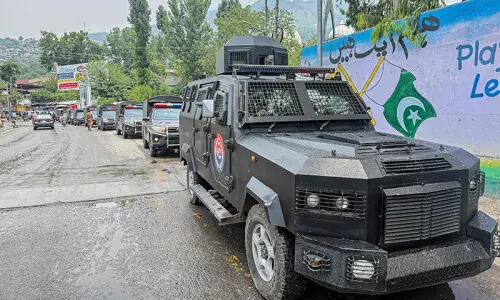
After a terrorist attack on its parliament earlier this summer, India deployed hundreds of thousands of troops along its border with Pakistan, increasing an already tense security situation in the South Asian region.
In its annual World Economic Outlook report, released earlier this week, the IMF praises Pakistan’s economic recovery, saying the country has continued to make progress towards the macro-economic stability, reflecting the rising GDP growth and a strengthened external position.
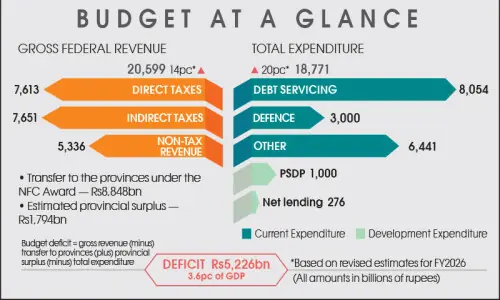
Pakistan’s proposed budget for 2002-03, the report says, will help arrest the adverse debt dynamics and shift expenditures towards the human uplift.
However, the report adds that the higher-military spending as a result of regional tensions has complicated the outlook, and the higher-tax collection plan will require strong political resolve.
Commenting on the economic situation in India, the report points out that a cyclical recovery is now under way, although agriculture has been negatively affected by a poor monsoon. It describes the regional security situation and higher oil prices as sources of risk for India as well.
Inflation in India remains moderate and the external position is comfortable, the report says.
It also points out that the trend of growth in India has declined since mid-1990s as benefits of the earlier structural reform have faded.
With the highest financial deficit in world, fiscal consolidation has become urgent for Pakistan, the report warns and adds that pending fiscal-responsibility legislation offers an opportunity to set out a clear and explicit medium-term fiscal consolidation path.
It says the recent efforts to strengthen state finances are welcome, but the 2002-03 budget envisages only modest cut in the deficit, and even this may be difficult to achieve given relatively optimistic revenue projections.
On the structural side, the report says, India has made progress in privatization, market-based pricing of petroleum products and interest-rate liberalization.
The IMF says India’s large agenda for economic freedom remains unfinished and the country needs further trade and foreign investment, removing curbs on agricultural and industrial activity, and strengthening the financial system.