0
0

This is with reference to your editorial “Railway mess” (July 20), rightly pointing out the mess on account of mismanagement in the railway. The closure of trains would certainly hit the commuters.
The reason for closing these trains has been attributed to losses and a shortage of engines. The fact of the matter is that when the British left Pakistan they left behind an excellent system of irrigation, road network and railways. But during the past 63 years Pakistan's successive governments added no new tracks and the maintenance of the existing tracks were neglected badly; the money allocated for repairs and maintenance was pilfered by the railway officials. This neglect systematically destroyed one of the best public services.
At present the tracks are in a pathetic condition; they are unsafe and prone to derailment and accidents. The Railways, like other corporations, is heavily over-staffed which is adding to the losses. Although over a period of time railway fares have been increased beyond proportion. It still remains the most popular service among the poor.
Shutting down trains is not the solution to the problem. Railway engines and bogies should be arranged on priority on a turn key basis to address the situation.
The Pakistan Railways has great financial potential and good managers can retrieve the situation. It was once the main source of transportation of goods across the country.
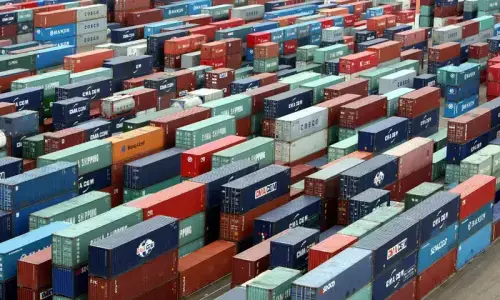
To release the pressure from railways and inefficient handling of cargo, the NLC was formed that brought substantial fall in railway revenue. But with its huge fleet the NLC cannot cope up with the demand, therefore the Railways should think of reviving goods trains to increase its revenues.
Let us not forget that railway plays an important role during war and is considered a major source of transport by the army in moving heavy vehicles and tanks, etc., in different operational sectors.
Our neglect of the Railways and its deteriorated tracks can be dangerous for the security of the country and therefore the government should not take it lightly.
MUKHTAR AHMED BUTT
Karachi
(II)
It is reported that the government has decided to close down six main line trains because of what they call 'losses' sustained by the railways.
The following questions come to mind. Have the railways authorities and the ministry concerned, thoroughly probed into the reasons for the losses, and have they made serious efforts to plug the revenue leakage that occurs due to corruption, mismanagement and inefficiency?
Did they consult all stake holders, including the labour unions of Pakistan Railways workers, before the decision? The latter have refuted the claim of railway authorities.
Will the financial position of the railways improve by closing down these trains?
Have railway authorities given a thought to the hardships that thousands of passengers that travel daily in these trains will suffer?
Closing down trains would mean that more people travel by air or bus. The cost of the former is prohibitive for most people. Buses are less safe, uncomfortable for many passengers for long-distance travel, and often more expensive, too. Besides, the long-term cost of road travel — the wear and tear of the highways — increases exponentially with the increase in traffic, entailing heavy maintenance cost.
The people perceive the decision to have been motivated by other factors. It may be a prelude to privatisation of the railways or it may be the pressure of the bus mafia.
Around the world, railways are staging a grand comeback because of their comparative ease and comfort for the passengers and the overall economy. But in Pakistan, the ruling elite is killing the goose that lays the golden eggs. Instead of building new lines to increase the railways' carrying capacity and curbing corruption and mismanagement, they are closing down train services. As long as the allocation of resources is guided by penny wise pound foolish, short-term policies favouring vested interests, we would keep losing our national assets one by one.
The loss of the railways is clearly a fallout of the government's inability or unwillingness to control corruption and inefficiency. It cannot be remedied by closing down trains.
S.H. ZAIDI
Karachi