ISLAMABAD Already nearly broke when the global financial crisis took hold, Pakistan now faces further woes that could take the nuclear-armed nations security situation closer to the edge, experts said.
The country, a frontline ally in the US-led campaign against al-Qaeda and Taliban militants, has been forced to seek 10 billion dollars from western backers to stave of the threat of going bankrupt as early as February 2009.
As the world financial system nears meltdown, the situation is perhaps the biggest challenge yet for Pakistans new government as it tries to replace former president Pervez Musharrafs outdated economic and security policies.
The administration here denies that the country is facing a balance of payments crisis — but admits that outside help is necessary to stabilise a crucial nexis of fears over religious extremism and atomic proliferation.
We are not going to go bankrupt, no way, senior government minister Naveed Qamar told AFP.
The present economic situation is a difficult challenge for us but well certainly overcome it soon, added Qamar, who was finance minister until Friday, when he was moved to the shipping and privatisation portfolios.
Qamar said the government had adopted a multi-pronged strategy, adding that it was benefiting from the recent fall in oil prices and was also getting record remittances from Pakistanis living abroad.
But Friends of Pakistan are also helping us, Qamar said, referring to a group of major donors who pledged development aid in September to stabilise the South Asian country, in particular its border with Afghanistan.
Pakistans tribal regions along the frontier are a bolt-hole for religious extremists from across the world. A spate of US missile strikes in recent weeks have raised public anger.
In a bid to speed up any potential cash injection, Shaukat Tareen, the finance adviser to Prime Minister Yousuf Raza Gilani, and state bank governor Shamshad Akhtar have travelled to Washington to secure the 10 billion lifeline.
Pakistans foreign exchange reserves are at the root of the problem. Until recently buoyed with US aid to Musharraf, they fell to 8.135 billion dollars this month from 9.129 billion on September 4, putting Pakistan at risk of defaulting on foreign loans.
Pakistan saw years of rapid growth after Musharraf seized power in a coup in 1999, with former Citibank executive-turned-premier Shaukat Aziz overseeing an apparent turnaround in the countrys finances. But after Musharrafs allies were defeated in elections in February, the new civilian government quickly found itself facing gaping holes in the economy and public anger over rising prices.
The largely impoverished population of 168 million is suffering from inflation that hit a 30-year-high in June, the last available figure, of 25.33 percent, making staple foods and fuel unaffordable.
Meanwhile the Pakistani rupee has plummeted 23 percent against the US dollar since the start of the year. At one point last week it hit a record low of 80.5 rupees to the dollar.
To tackle the trade gap, Pakistan needs at least 10 billion dollars from the Friends of Pakistan or other sources, Qaiser Bengali, a leading Pakistani economist, told AFP.
Bengali said Pakistan may soon be unable to pay its creditors or get further loans, forcing it to pay for imports such as oil in cash — slowing down the economy rapidly.
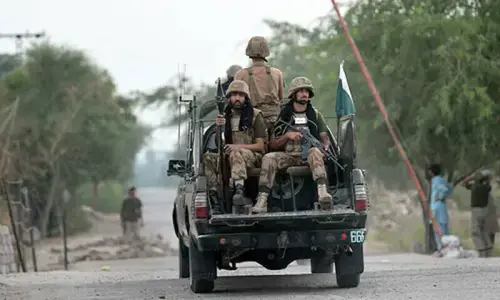
The biggest impact of Pakistans economic problems could be on its battle against extremism near the Afghan border.
The country is still reeling from the bombing last month of the Islamabad Marriott Hotel, one of the few remaining symbols of foreign investment.
Economic hardship and the militancy are directly linked, Talat Masood, a retired Pakistan army general and now a leading security analyst, told AFP.
People become more vulnerable to exploitation by militant forces, who always take advantage of public deprivation, he said.
The timing is terrible for the government, coming as it makes unprecedented attempts to win public support for tackling extremism, including the funding of tribal anti-Taliban militias, he said.
Also, for Pakistans huge army, economic problems make it impossible to sustain and upgrade the necessary equipment to wage counter-insurgency and counter-terrorism operations, Masood said.