0
0

ISLAMABAD, April 9: Chief Justice of Pakistan Justice Nazim Hussain Siddiqui on Saturday said stable and predictable system in the country could only be ensured through a transparent and accountable judiciary.
In a message on the occasion of a workshop on “Access to justice development fund (AJDF),” he said efforts for a strong and independent judiciary would remain meaningless without strengthening crucial areas of judicial governance.
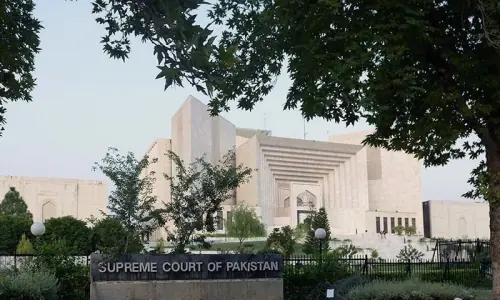
Justice (retired) Nasir Aslam Zahid read out the message at the consultation workshop organized by the Law and Justice Commission of Pakistan at the Supreme Court building.
The basic problem of judicial administration relates to lack of transparency, accountability, case management, delay reduction, automation, court information systems, human resource and infrastructure, the chief justice observed.
The workshop was organized to finalize AJDF operational procedures and mobilize justice sector leadership for sustained and constructive engagement in a purposeful consultation on AJDF processes and activities.
To address the chronic budgetary constraints facing judicial institutions, the government had established the Rs1.47 billion AJDF as a statutory endowment to provide extra-budgetary support to improve functionality, independence and service delivery components.
The chief justice said reform vision should be focused on redressal of grievances of the litigants and struggle must ensure clearance of backlog and expeditious dispensation of justice.
It is regrettable, the chief justice said, that most beneficial provisions of the Civil Procedure Code and Criminal Procedure Code were being abused and misused by the parties and their lawyers.
These procedures are aimed at expediting trial proceedings in a just and fair manner. It operates as a bulwark against any instance or eventuality of abuse of the judicial process.
The chief justice, however, asked both the bench and the bar to cooperate and coordinate in plugging loopholes in the administration of justice.
Ever since the creation of Pakistan, successive governments have attempted to reform the system in order to provide access to justice, ensure fast redressal of grievances and expeditious settlement of claims and disputes, the message said.
Unfortunately, most crucial problems like chronic shortage of judicial officers and support staff, inadequate infrastructure facilities, amenities for the lawyers and litigant parties on court premises and unfavourable terms and conditions of service of judicial officers and staff were generally ignored.
It is time to adopt measures which discourage needless litigation and promote rapid disposal of cases.
President Supreme Court Bar Qazi Jameel while talking to reporters said building structures would not ensure access to justice, but steps should be taken to provide quick and easy justice to people.
He said the number of judges both in the superior as well as subordinate judiciary should be increased in addition to providing them necessary facilities to reduce the burden on existing judges.