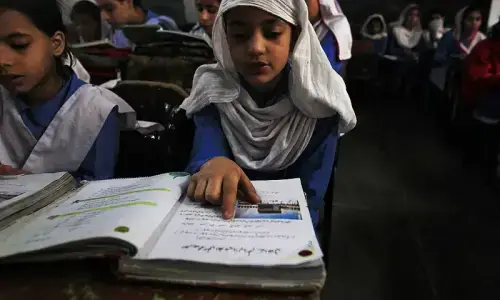
ISLAMABAD, April 1: Pakistan ranks eighth in the world in the number of child deaths, as 565,000 children under the age of five die every year, while one mother dies after every 20 minutes. This information was shared by Dr Zulfikar A Bhutta of Aga Khan University at the opening session of the National Public Health forum on “Maternal and Child Health” at a local hotel on Friday.
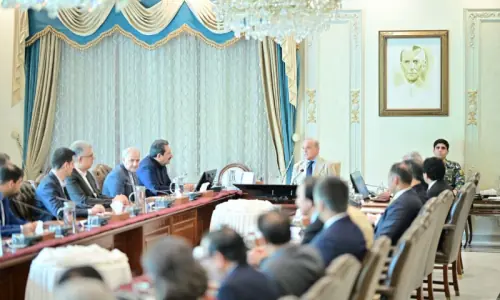
Prime Minister Shaukat Aziz inaugurated the forum in which the concept paper of five-year National Maternal and Child Health Programme was also presented.
The prime minister assured the audience that half of the funding of Rs31 billion programme would be raised by the government. He expressed the hope that the donor agencies would come forward to meeting the rest of the needed financing.
“Resilience of our people has made Pakistan a great nation and there is no reason why we should not face the challenges to make our country strong,” the prime minister said, adding, “Pakistan would soon rise on the map of the world as a country with an efficient health care delivery system, especially in the remote and rural areas.
He also announced expanding the Lady Health Workers (LHWs) programme from the existing 80,000 to 100,000 by the end of 2005 to meet the need of 100 million people. The LHWs are covering unserved population at the primary level to ensure family planning and primary health care on doorstep through an integrated community-based approach.
Talking about the government’s policy of empowering women by involving them in the decision-making process, he referred to a huge representation of women in the local government, provincial assemblies as well as parliament and said their presence had provided them with an opportunity to give voice to the problems of women.
Prime Minister Aziz also stressed the need for apprising the ulema and the religious scholars of the importance of family planning. Referring to the government’s mid-term development framework, he said social sector development was the most important component of government’s priorities. “Bricks and mortars never made nations great, in fact investment in human capital always pays off and helps meet the challenges towards development and prosperity,” he said.
The prime minister said his administration had enhanced budgetary allocations in the health sector by 40 per cent. Besides, he said, Rs2.5 billion hepatitis control programme would soon be approved as well as needed attention was being given to poverty alleviation, disease prevention, immunization, polio control, tuberculosis and HIV/AIDS, he added.