0
0

ISLAMABAD, July 26: Pakistan has taken a quantum leap in aerospace engineering and linkage is being forged in its application for forecasting crop estimates, cropping pattern , soil conditions as well as in designing the Bunji dam, routing gas pipelines from Uzbekistan.
The information about the use of aerospace science came to the fore at the launching ceremony of the second development course on modem techniques of software radio - a hands-on-study about modern usage of wireless system - at the Institute of Space Technology (IST) here on Monday.
Fifty students from a number of technical organizations such as Suparco, Nescom, National Defence College (NDC), KRL, AWC, PAEC, UET, and NUST are participating in the course which would continue until August 6.
Dr Jamil Ahmad, one of the leading professionals in the field of satellite communication, who was formerly associated with the Imperial Institute, UK, is delivering lectures to the participants of the course.
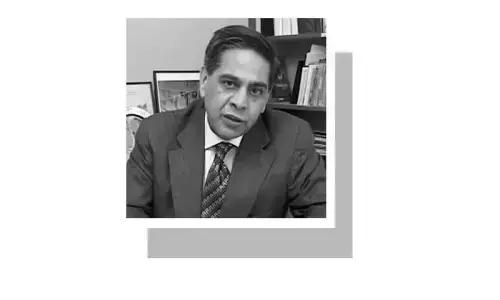
The time has arrived for Pakistan to initiate dialogue between the industry and the aerospace engineering, the chief guest the director-general of Higher Education Commission, Dr Suhail Naqvi, said at the opening session of the course.
"Space technology is for the common man", he said, adding "it has huge linkage with industry, particularly in the present context of our country when we are faced with water shortage".
Aerospace technology has made great advancement in the modern world and helped many developed countries to stay ahead of less developed countries. "We are now trying to catch up in this science since it is of great strategic importance to Pakistan", he said.
He elaborated that the country was now making a beginning in this field. "We are starting on a journey here to bridge ignorance with greater awareness in a field in which the world has progressed by leaps and bounds, Dr Suhail said.
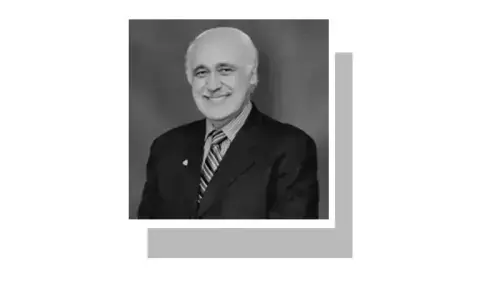
Dr Ghazala Siddique, who has come from North Carolina USA, to lecture at the IST, said, "I came here to give to Pakistan what I had taken from here and if courses like this succeeded there would even come a time when Pakistan might also gift many things to the world."
Earlier the Institute of Space Technology director, Dr Ayaz Aziz, briefly introduced his organization and said the IST had started undergraduate courses in aerospace engineering and communication systems to meet the human resource requirements for the projects included in the national programme, which were affected in the wake of the restrictions imposed after the 9/11.
The IST was now working for attainment of a charter of a university to start MS and Ph.D courses. For which arrangements were under way with Beihong University of Aeronautics and Astronautics of China as well as the British University of Surrey.
Dr Aziz said the university would send out its first graduates in 2006 from among the 100 students who were now enrolled at the Institute. As to the course on software radio modem techniques Dr Jamil Ahmad said the knowledge of MSc students was very deficient and short courses like the present one would help them catch on modern applied techniques.
Science teachers had only theoretical knowledge of such things and only engineers can break students into designing a system and in running them well, he added.