0
0

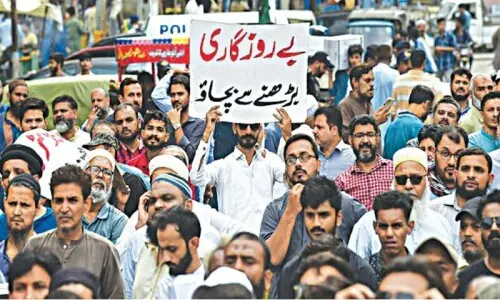
ISLAMABAD, Oct 24: Thirty-two per cent of Pakistanis say they have cut down on food because of rising prices, for which 70 per cent of the population blame the government, a research group said on Friday.
Soaring food prices and shortages of staples mean about 77 million of Pakistan’s 160 million people are food insecure, a 28 per cent increase over last year, according to UN World Food Programme (WFP) estimates.
The survey, of 1,732 people in rural and urban areas, conducted in early August, also found that 56 per cent of people said rising costs of food, fuel and electricity had had a severe impact on them and their families.
“It might be a serious concern for the government to know that 70 per cent of Pakistanis blame the food price-hike on government policies as opposed to other factors such as global price trends,” said the Pakistan Institute of Public Opinion, which carried out the survey.
The institute is the Pakistani affiliate of Gallup International.
Like most emerging economies, Pakistan was badly hit by soaring global oil and food prices over the past year and the country was facing an economic crisis even before the global financial crisis developed.
Pakistan is facing inflation at close to 25 per cent, a balance-of-payments crisis and foreign reserves falling by $1 billion a month.
With no external funding, analysts say the country will most likely have to agree to seek help from the International Monetary Fund.
International organisations say about a third of Pakistanis live in poverty and an increasing number of them are turning up at food centres set up by charity organisations.
“If we don’t tackle the problem, we’ll start finding dead bodies,” said respected social worker Abdul Sattar Edhi. “We’ll find entire families dead from hunger.”
Another charity, the Sailani Welfare Trust, says more than 30,000 people come to its 25 free food centres in Karachi every day.—Reuters