0
0

LONDON, Sept 15: Signs that food price inflation is close to a peak could herald tougher times for Britain’s supermarket groups, which have so far been comparatively resilient to a slowdown in consumer spending growth.
Tougher trading could intensify competition between the top four grocers, with a risk that profit margins are squeezed.
Analysts think sector leader Tesco, which has been steadily losing market share this year, and number four Morrison, which benefited from a big push in promotional spending last Christmas, are most likely to take the fight to rivals.
Number two Asda, owned by the world’s biggest retailer Wal-Mart, and is expected to keep pace, but number three J Sainsbury could lack the firepower to respond.“We think inflation has probably peaked ... and industry growth with it,” Deutsche Bank analysts said in a recent research note. They forecast average underlying sales growth at the top four supermarket groups would slow to 2.6 per cent next year from 4.2 per cent in 2008 and 4.1 per cent in 2007.
“If there is less growth to go around, then it may well become rational for at least one industry player to aggressively seek market share gains,” they said.
PEAKING PRICES: Britain’s retailers are struggling as shoppers curb spending amid rising food and fuel costs, and sliding house prices.
The UK general retailers’ index, which does not include supermarkets, has underperformed the FTSE All-Share index by 22 per cent over the past year.
Food retailers, however, have outperformed by 9 per cent.
This is partly because groceries are essentials and it is much harder for shoppers to cut back spending on food than, say, electrical goods or home improvements products.
But it is also probably due to food price inflation. Though opinion is divided, most analysts think supermarkets benefit from rising food prices, because they can usually pass on the cost to shoppers, while suppliers bear the brunt of the pain.
Higher prices also make their sales growth look healthier, and bring more cash into their businesses.
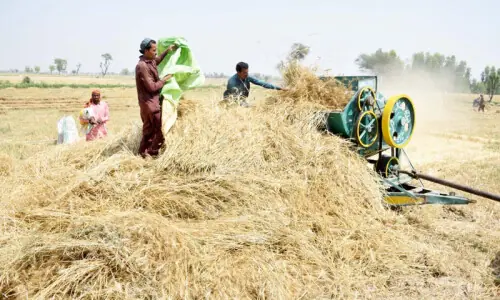
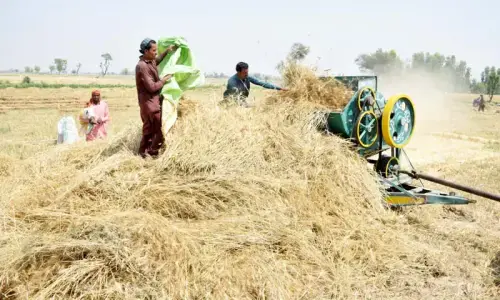
Food inflation has been soaring over the past year, driven by poor harvests and demand from fast-developing economies led by China. The price of imported foods leapt 25 per cent in August compared with the same month last year, while food prices coming out from manufacturers were up 12.5 per cent.
But many analysts expect this growth to moderate in the coming months, not least as the data start to come up against the very big increases towards the end of last year.
Some commodity prices, like wheat, have already fallen back and several industry players think inflation will peak soon.
“We expect the rate of (food) inflation to tail off towards the end of the year,” Morrison Chief Executive Marc Bolland told reporters on a conference call last week.
A weaker pound, however, could delay a retreat in prices.
—Reuters