0
0

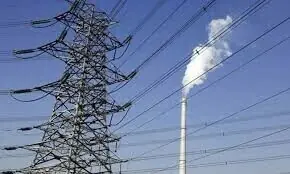
ISLAMABAD, April 9: The Senate Standing Committee on Water and Power was informed on Wednesday that the electricity load-shedding in the country was likely to end by year 2010.
The committee, which met here with its chairman Senator Hafiz Abdul Malik Qadri, was informed that as a result of the measures being taken by the government the shortage of electricity would come down and 2009 would be a load-manageable year.
Ministry of Water and Power Secretary Ismail Qureshi gave a brief account of the shortage and the measures being taken by the government to overcome the shortfall.
The committee was informed that the Ministry of Water and Power had prepared a plan to produce an additional 2200 MW within a year in line with the directive of the prime minister.
The plan, based on a combination of actions on the supply as well as demand sides and conservation measures, was likely to end the shortage by 2011.
The committee observed that the country was facing a serious electricity shortage and the crisis must be overcome within the shortest possible time.
Members of the committee said that agriculture and all other sectors had been badly hit by ill-conceived measures taken by the Ministry of Water and Power to overcome the power crisis.
They suggested that hydroelectric power and coal power plants should be set up in the public sector to ease the situation. The committee directed the ministry to arrest the industrialists involved in power theft and provide the list of their names to the committee at the earliest.
Underlying the need for proper load management, the members said that despite tall claims made by government functionaries not only big cities were experiencing hours of load-shedding, the situation in villages and far-flung areas of Balochistan, NWFP and Sindh was worse. They called for reducing line losses which, they were informed, were more than 35 per cent in Peshawar and Quetta.
The Senate Standing Committee on Industries, Production and Special Initiatives also called for a more comprehensive policy to end the energy crisis for reactivating the industrial sector and boosting production.
The committee, which met under the chairmanship of Senator Anisazeb Tahirkheli, emphasised the need for taking immediate measures like reationalisation of tariffs and reduction in mark-up on industrial loans, liberalisation of import duty on industrial raw materials and machinery to deal with the situation.
The committee further observed that the cost of doing business in the country had gone up because of the high mark-up rates and the declining competitiveness of exports.