PM Shehbaz arrives in Turkiye to address COP31 summit
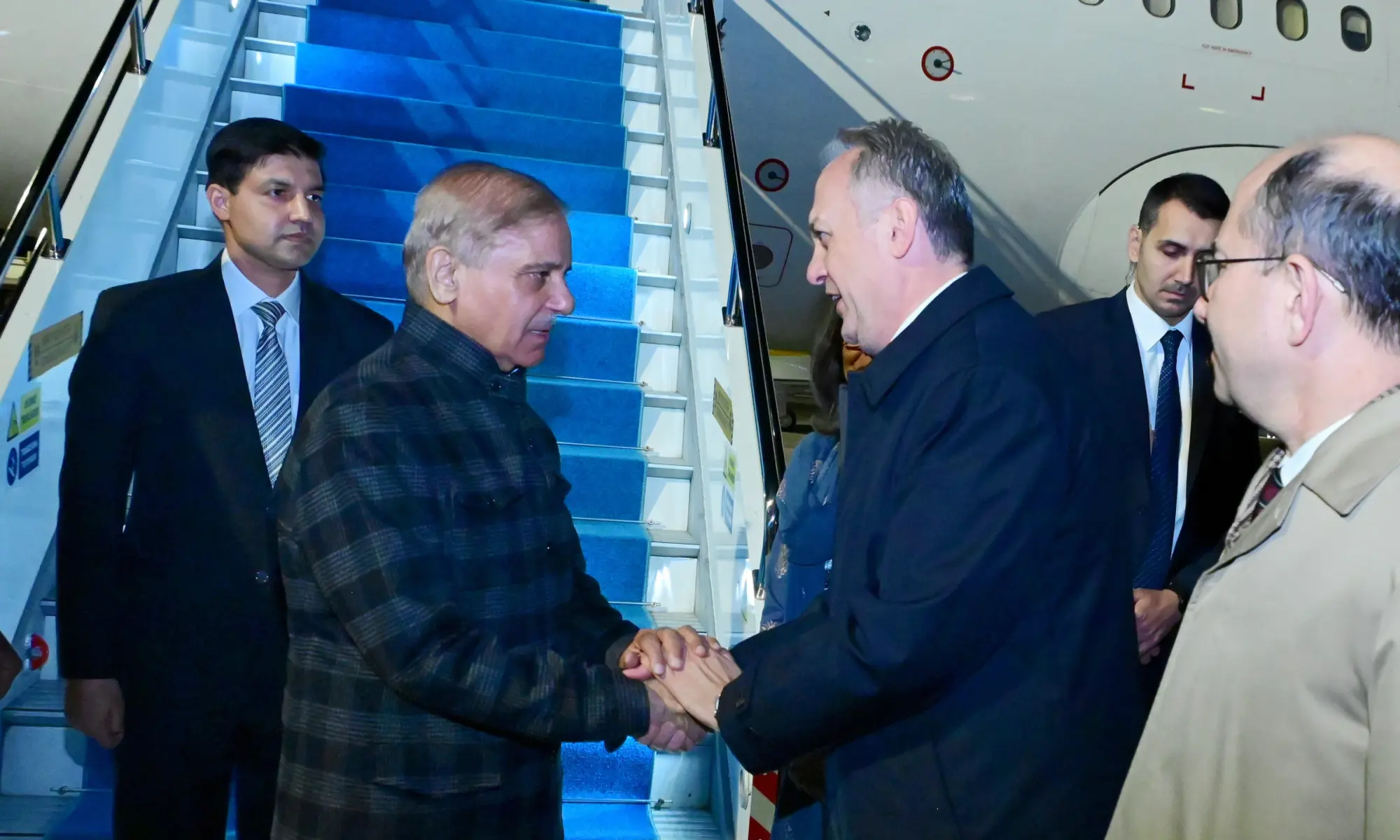
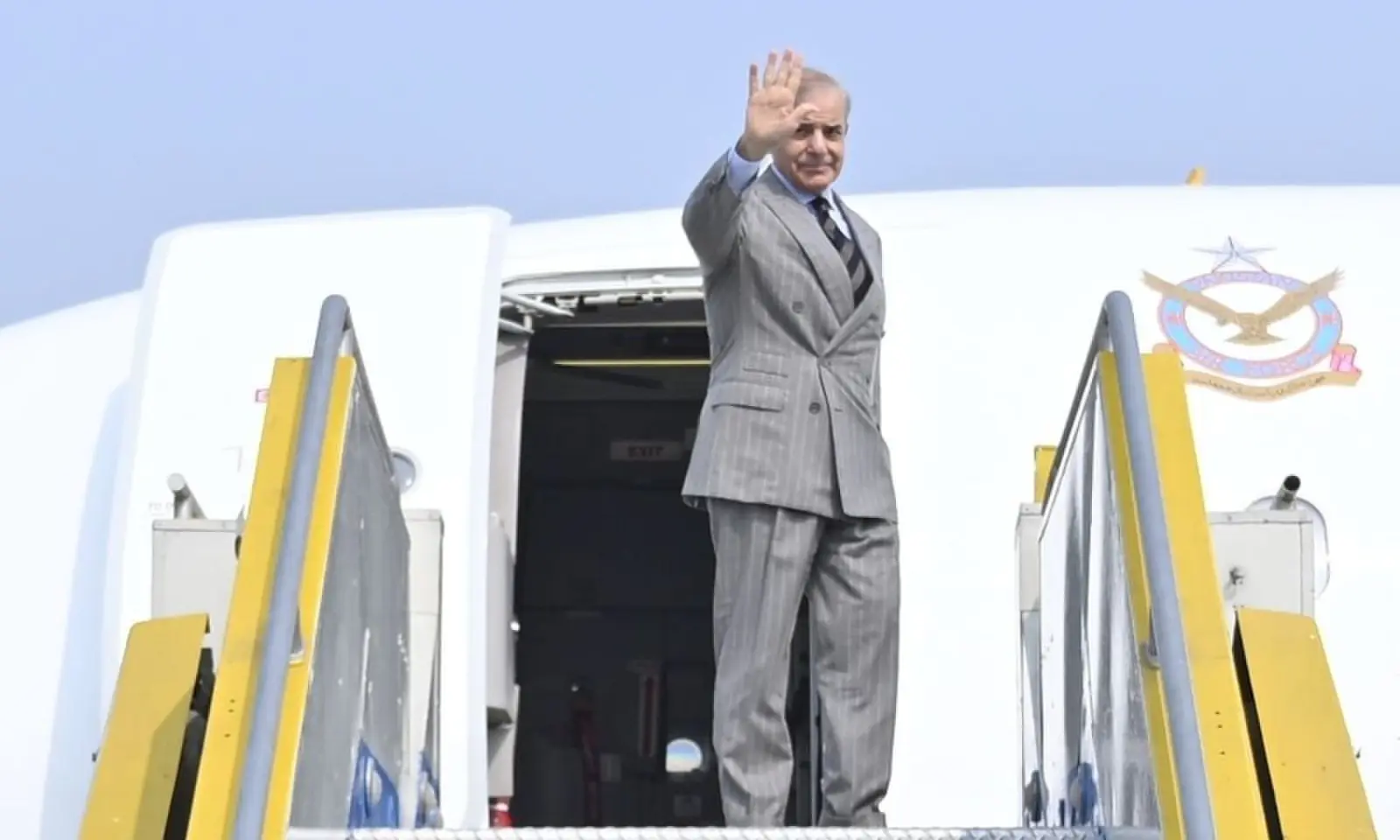
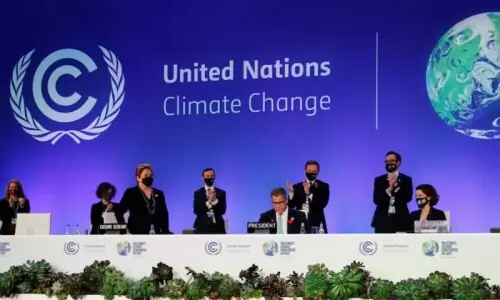
Prime Minister Shehbaz Sharif arrived in Antalya, Turkiye, on Tuesday for a three-day visit to attend the Leaders’ Summit of the 31st Conference of the Parties (COP 31) to the United Nations Framework Convention on Climate Change (UNFCCC).
Upon arrival, the prime minister was received by Turkiye’s Deputy Culture and Tourism Minister Gökhan Yazgı, Pakistan’s Ambassador-designate Amna Baloch and senior Turkish officials, the Prime Minister’s Office (PMO) said.
The premier is accompanied by PPP Senator and former climate minister Sherry Rehman, Information Minister Attaullah Tarar, and his adviser Tariq Fatemi, according to PMO.
At the COP31 Leaders’ Summit, PM Shehbaz will highlight Pakistan’s climate priorities and emphasise the urgent need for enhanced global climate action and strengthened international cooperation to mitigate the adverse impacts of climate change, PMO said.
The premier will also address a high-level dialogue on clean energy transition and electrification convened by the COP31 presidency, titled “35 by 35: Powering the Future” and scheduled for 3pm local time.
According to PMO, a “Pakistan Pavilion” has been established at the COP31 venue where 54 events will be hosted on various themes.
Meanwhile, the Foreign Office (FO) elaborated that the prime minister will also highlight “Pakistan’s steps towards rapid solarisation and expansion of its renewable energy capacity, as part of its transition towards a cleaner and more resilient economy, along with its efforts to strengthen disaster preparedness and early-warning systems”.
He will call for predictable, adequate and accessible climate finance for developing countries to strengthen their resilience and pursue sustainable development, it added.
FO termed PM Shehbaz’s participation an “expression of Pakistan’s strong support for the climate agenda”.
On the sidelines of the summit, PM Shehbaz is expected to hold bilateral meetings with Turkish President Recep Tayyip Erdoğan and other world leaders.
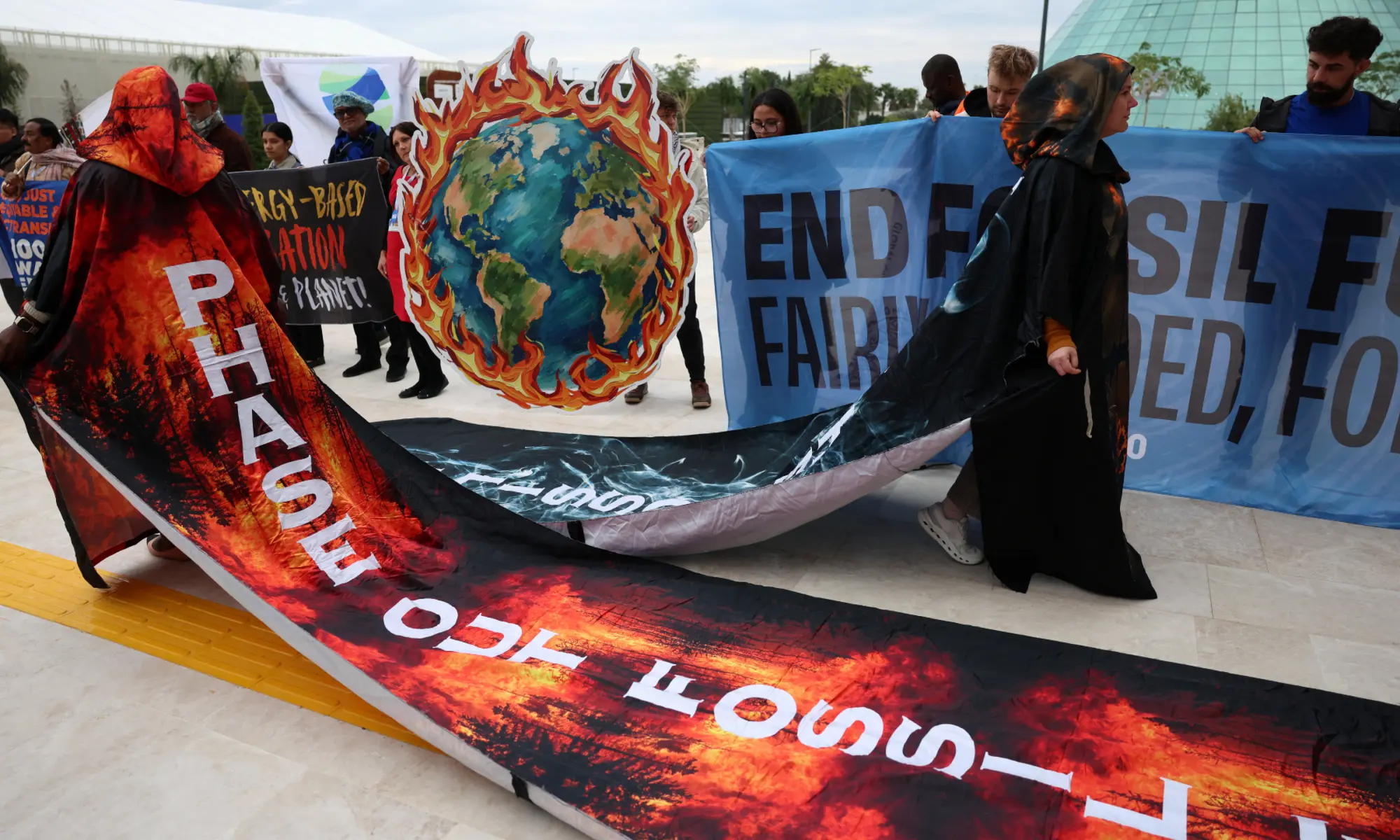
Nations urged to exit fossil fuels
On Tuesday, UN Secretary General Antonio Guterres urged nations at COP31 to plan for a future without fossil fuels, even as host Turkiye celebrated the discovery of new oil reserves.
Fossil fuels took centre stage at the UN climate summit, where Turkiye is seeking pledges to electrify the global economy rather than concrete new commitments to tackle coal, oil and gas.
Turkiye’s “electrification” push comes as scientists warned that emissions from burning fossil fuels — the primary driver of climate change — were projected to remain near-record highs for another year.
Guterres said “an accelerated transition away from fossil fuels is fundamental” to rein in global temperature rises on track to blow past the 1.5C target in a matter of years.
“Let’s be clear: fossil fuels are not only driving the climate crisis.
Dependence on them carries a steep economic and security price as the crisis in the Middle East has laid bare,” he said.
Turkish President Recep Tayyip Erdogan struck a different note on Monday, hailing the discovery of two oil fields — potentially containing 135 million barrels of crude — as “good news”.
The contrast underscored a central challenge facing countries deadlocked over how quickly the world should move away from polluting fuels to cleaner forms of energy.
Since agreeing in 2023 for the first time to transition away from fossil fuels, nations have struggled to advance that goal at the annual COP conferences.
At last year’s COP30 in Brazil, fossil fuels were not explicitly mentioned by name in the final agreement.
The COP31 climate talks kicked off on Monday with an early fight over money as the UN’s chief urged world leaders to “get serious” about tackling the crisis after a year of devastating weather extremes.
The summit comes after a year of punishing heatwaves in Europe, major wildfires in Indonesia and catastrophic floods in Nepal, with an exceptionally strong El Niño weather phenomenon fuelling more climate chaos.
‘Difficult start’
Negotiators had been locked in discussions late on Sunday over demands by developing nations to include items on climate finance in the official agenda.
“This has already been a difficult start for COP31,” said Jasper Inventor, head of Greenpeace’s COP31 delegation.
Under UN climate agreements, developed countries, which are historically responsible for most greenhouse gas emissions, have provided financial support to help developing nations adapt to climate impacts and transition to cleaner energy. But poorer countries say the sums remain insufficient.
Inventor said developed countries were “taking a hard line” over whether to include a platform, agreed at COP30 in Brazil last year, aimed at discussing how wealthy nations should provide funds to developing nations.
African countries are also pushing for the agenda to include discussions on the tripling of adaptation finance, which aims to help poorer nations pay for measures such as building sea walls or planting drought-resistant crops.
Observers say few major breakthroughs are expected at COP31 as countries grapple with an oil price shock and geopolitical tensions fuelled by the US war on Iran and Russia’s conflict in Ukraine.
As negotiators tussled in Antalya, the UN’s World Meteorological Organisation released a report indicating that 2026 has continued a streak of exceptional global temperatures, melting ice and rising sea levels.
The EU’s climate monitor warned last week that 2026 would most likely be the second-hottest year ever recorded, while scientists say 2027 could top the chart, fuelled by El Niño.