Rawalpindi’s historic buildings crumble amid official apathy
Old buildings, temples and Gurdwaras in Rawalpindi tell the story of the garrison city’s majestic past, when Hindus and Sikhs made up a dominant share of its population before the partition of the Indian subcontinent.
However, these buildings are now in a state of disrepair, as little has been done to preserve them over the past 79 years.
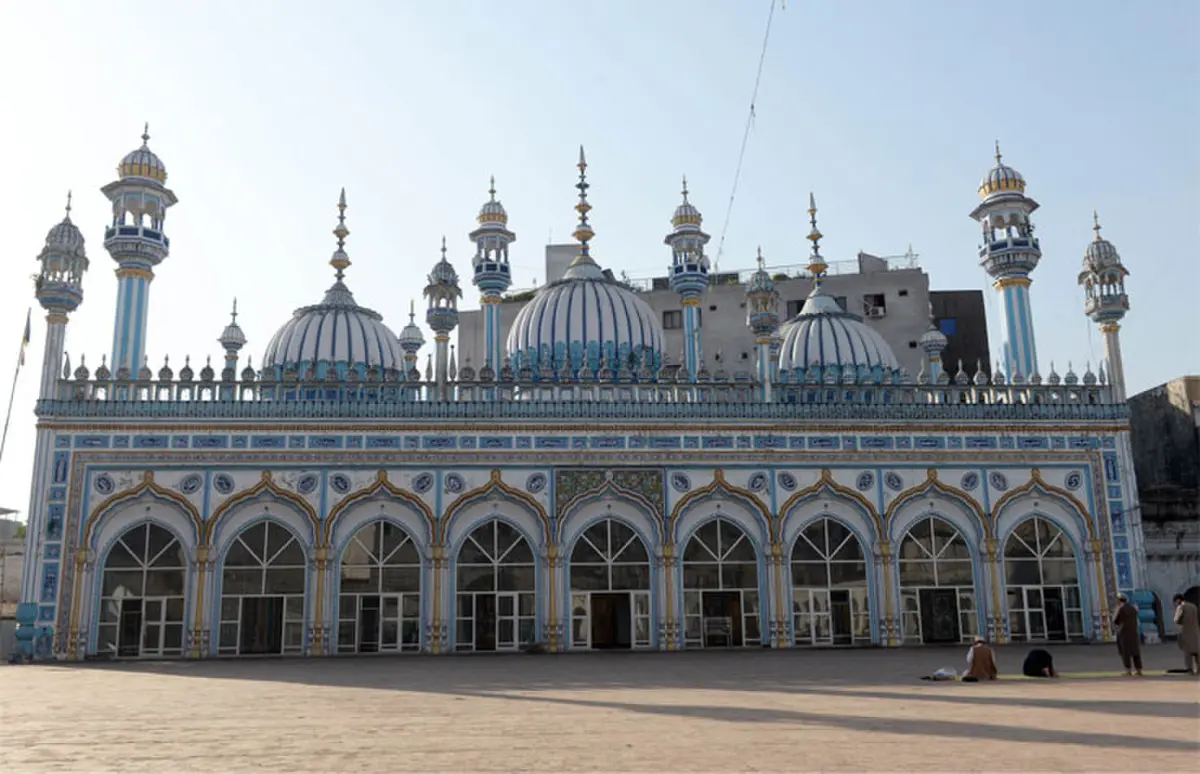
Though the history of Rawalpindi dates back to the arrival of Alexander in India, its architecturally splendid buildings provide ample opportunities for history lovers to explore the city’s past. However, many of these structures are gradually disappearing with the passage of time.
A visit to the narrow streets of the downtown area reveals numerous havelis, temples and Gurdwaras that reflect Rawalpindi’s past. The spires of temples and domes of Gurdwaras can still be seen from the roads, but none of these buildings has been declared a national heritage site. Moreover, the land attached to temples and Gurdwaras is rapidly being lost to encroachments.
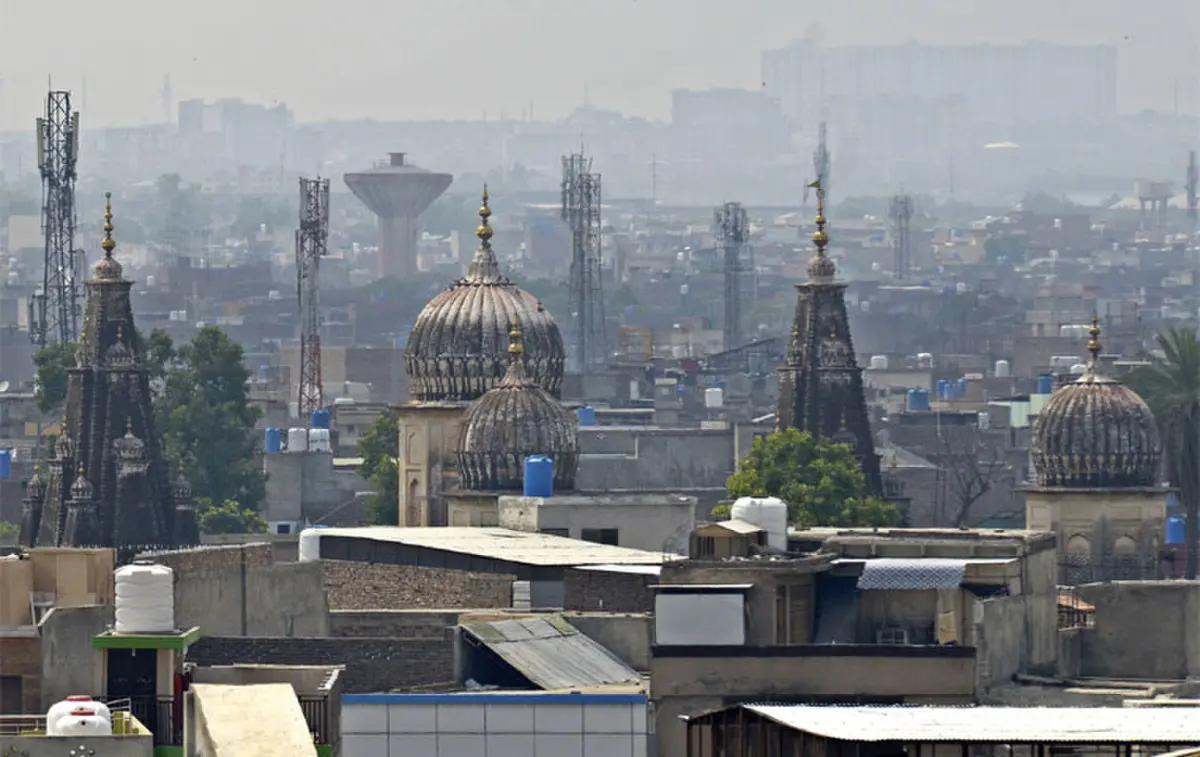
Mandir Kalyan Das, located in Kohati Bazaar, is one of the largest temples in the garrison city. It was constructed in 1850 by a wealthy Hindu resident of Rawalpindi, Kalyan Das, belonging to the Suri family.
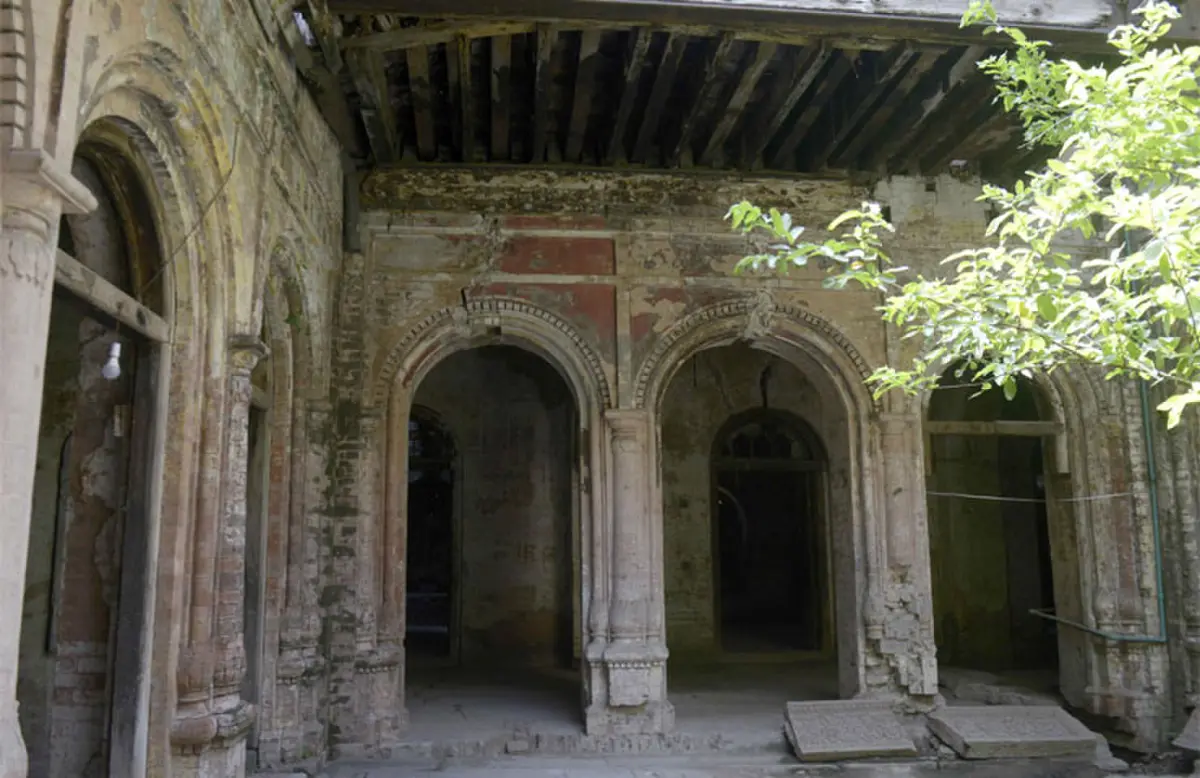
Old temples and the majestic building of the Gurdwara of Rai Bahadur Sujan Singh, constructed during the pre-partition era, are among the historically significant structures in the city. However, they have never received much attention from the government.
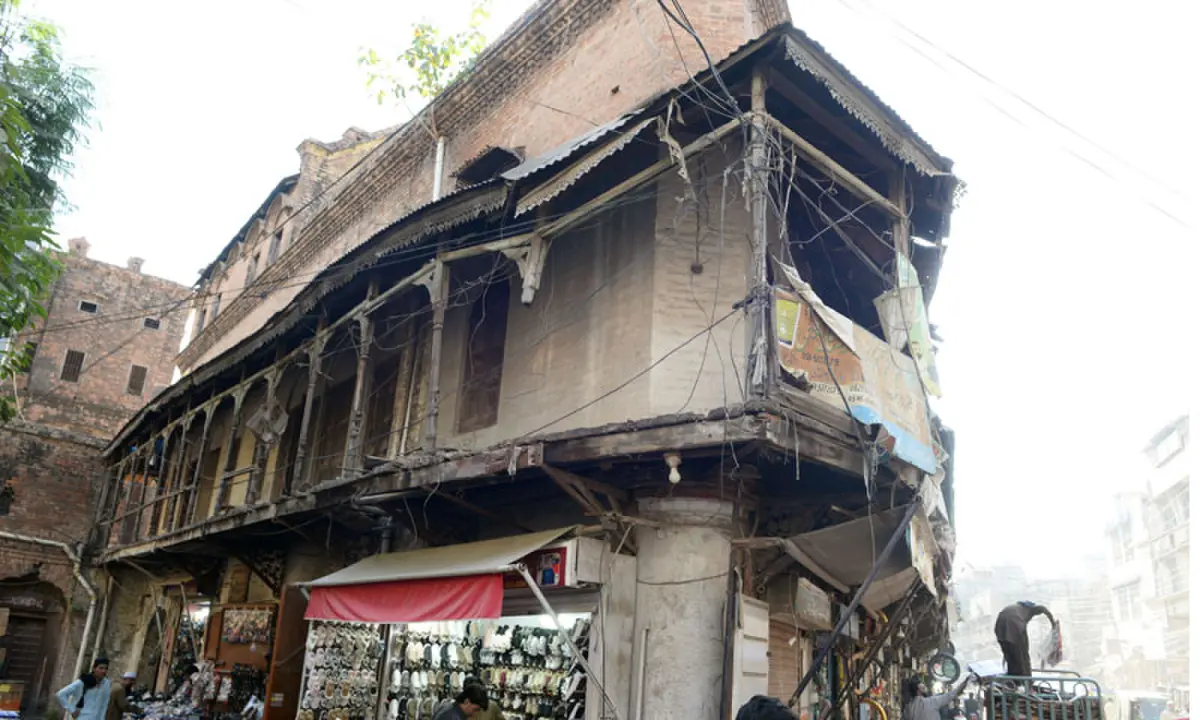
In Raja Bazaar, there was an old temple opposite Narankari Bazaar. The temple was constructed in 1880 by Shrimati Devi in memory of her husband. At present, however, its main room has been sealed, while the rest of the building has been rented out to traders who have established their outlets there.
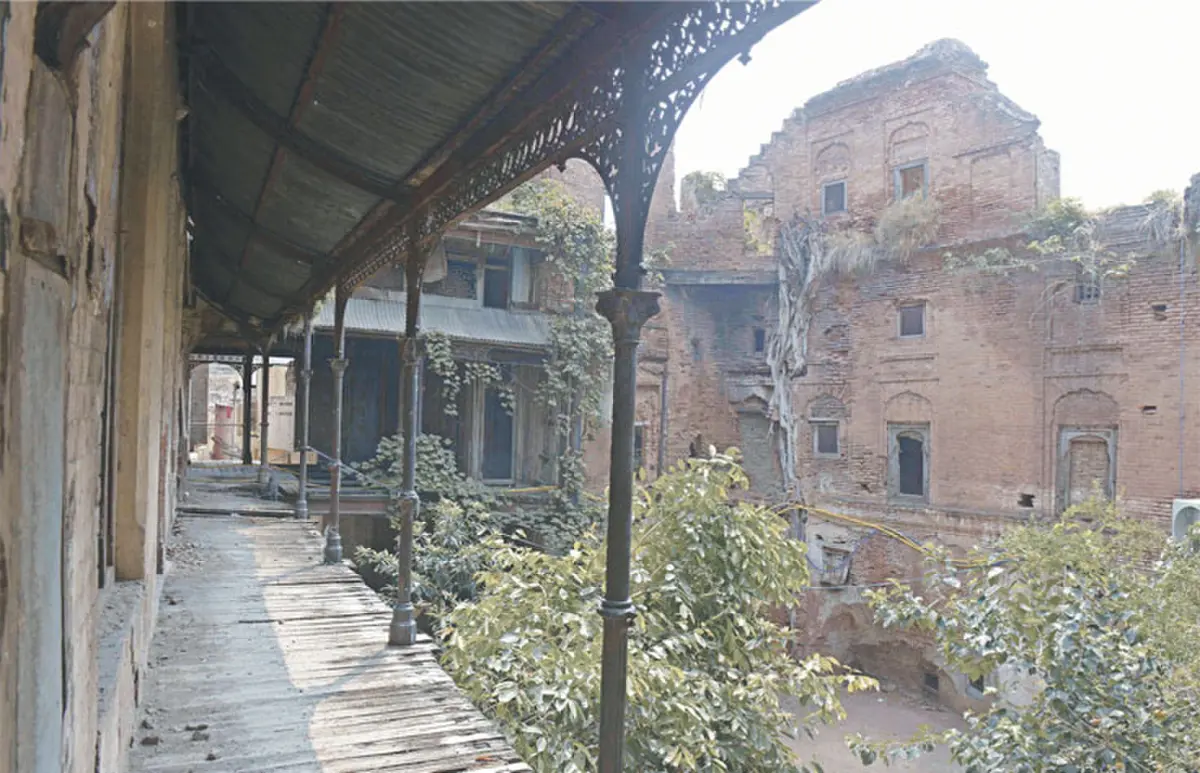
Kali Mata Temple is located in Moti Bazaar. After the partition of the Indian subcontinent, the temple was closed and handed over to the Evacuee Trust Property Board (ETPB) as there were fewer Hindus living in the city.
In Purana Qila, a gate was constructed in 1896. The bazaar was then known as Lakhshami Narayan Bazaar. A temple can be found at the top of the hill. Old houses with balconies, constructed more than 200 years ago, are still standing along the main road.
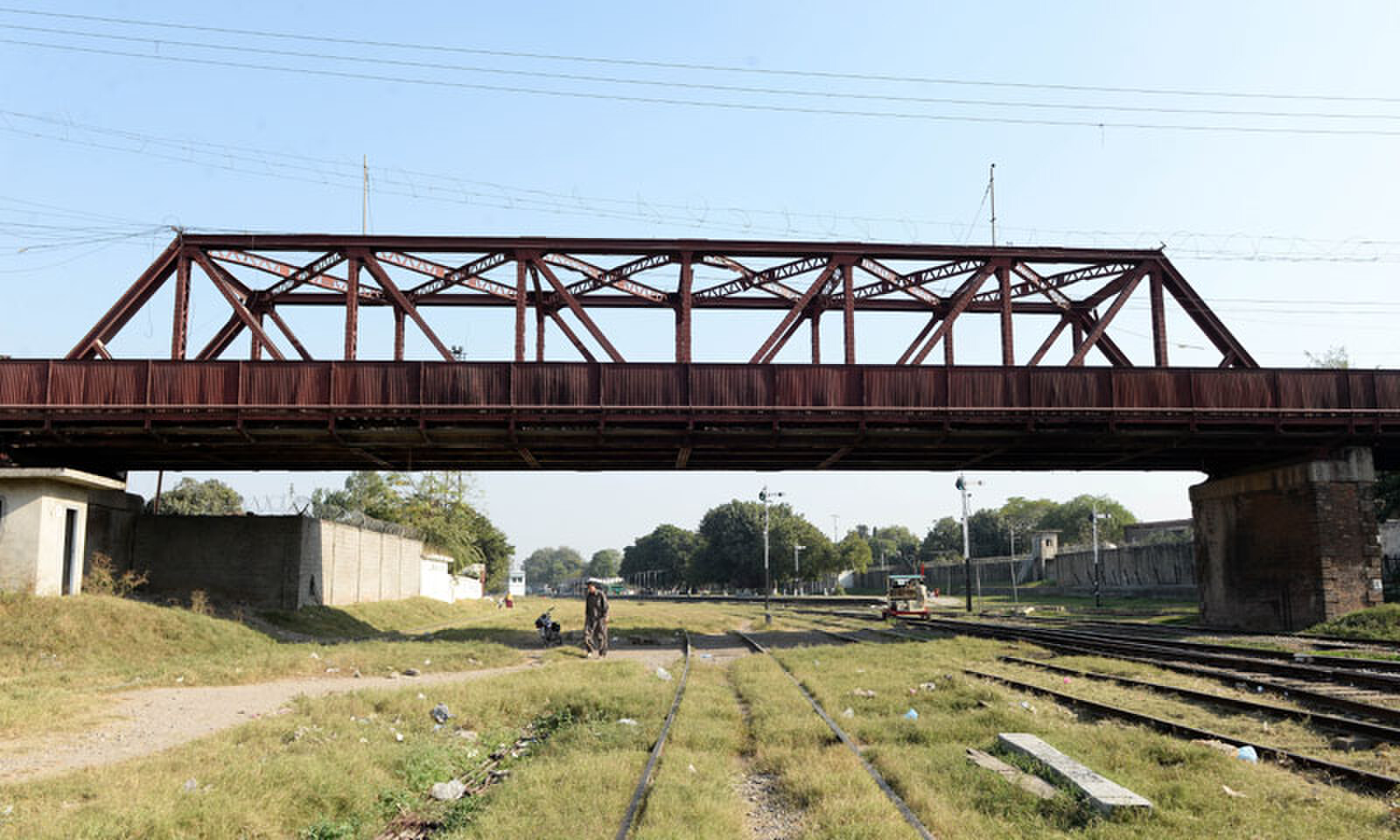
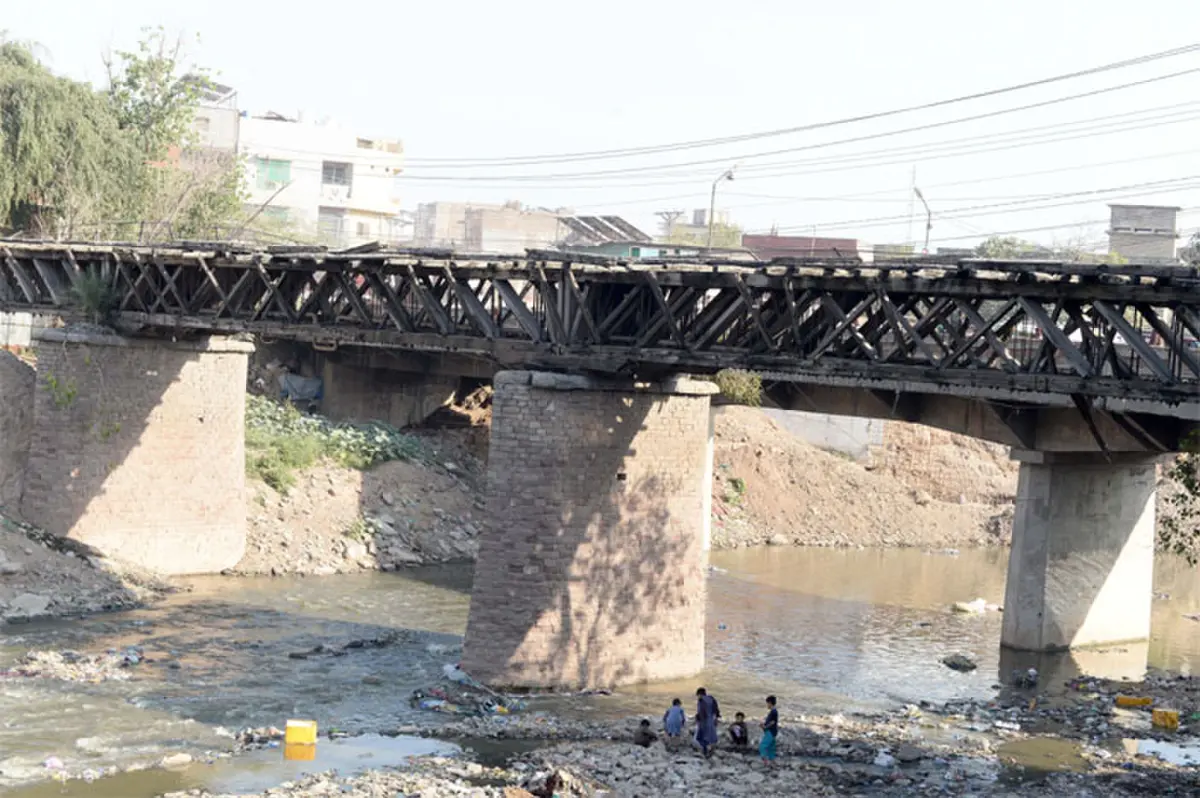
A more than 130-year-old bridge connecting Raja Bazaar with the cantonment areas is also gradually disappearing due to the apathy of the archaeology department and local administration.
The truss bridge, made of wood and iron, stands over Leh Nullah. However, scrap dealers have removed much of the precious deodar wood (Cedrus deodara) installed as girders of the bridge.
Another historic structure is the 136-year-old majestic Sujan Singh Haveli, located in the narrow streets of Bhabara Bazaar. It was constructed by Sikh political figure Sardar Sujan Singh.
The four-storey haveli, constructed in 1890, is a fine specimen of brick masonry. Facing the street, it features a front veranda and a central entrance, giving it a majestic appearance. Its 45 spacious rooms have English tiles and Kashmiri wood carvings. The building was once an outstanding example of Kashmiri woodwork, but the passage of time has faded its glorious past.
The old Presidency, formerly the State Guest House on The Mall, which has now been converted into Fatima Jinnah Women University (FJWU), also needs the attention of the relevant departments for its preservation.
Built to accommodate the Prince of Wales during his visit to India under the reign of Queen Victoria, the grand building on The Mall has served as the Presidency, a state guest house and is now the campus of Fatima Jinnah Women University.
Construction of the building began in 1898, as Prince Edward (later King Edward VII) was scheduled to visit India. However, his visit was postponed following the death of Queen Victoria, after which he became king.
A senior official of the Evacuee Trust Property Board told Dawn that more than 1,000 buildings in the district were under the administrative control of the ETPB. However, due to limited funds, the board could not make efforts to protect them from the vagaries of weather.
He said the ETPB had only managed to protect the properties from encroachments and maintain their records. However, he added that the status of properties already given on rent would not be changed.
When contacted, Punjab Archaeology Director General Zaheer Abbas Malik said the Punjab government had devised a plan to preserve the historical buildings in Rawalpindi city.
“It is a complete heritage city plan, and we are covering temples and other historic structures,” he said.
Published in Dawn, November 9th, 2026