• US president says world will ‘know very soon’ whether he makes a deal with Tehran or orders strikes
• Calls Qatar’s Sheikh Tamim as Doha steps up its mediation
• Centcom prepares for possible return to fight
WASHINGTON: US President Donald Trump is said to be weighing whether to resume large-scale strikes against Iran after Democrats’ sweeping victory in recent midterm elections, even as he opened a new diplomatic channel on Friday by calling Qatar’s emir to discuss efforts to end the eight-month-old conflict.
The call with Sheikh Tamim bin Hamad Al Thani came amid an intensifying regional diplomatic effort to prevent another round of major hostilities. But Trump has continued to keep military action on the table, saying on Thursday that the world would “know very soon” whether he would make a deal with Tehran or order new strikes to “destroy what is left” of the country.
“I would prefer not to destroy what is left of the country, if possible, but I may have to do so,” Trump told reporters, adding that Iran could take 25 years to rebuild from the damage already inflicted.
Friday’s conversation with the Qatari leader focused on diplomatic efforts to de-escalate tensions. Sheikh Tamim’s office said he had emphasised dialogue and diplomatic means to resolve disputes and prevent further escalation.
Qatar has been playing a key intermediary role in efforts to negotiate an agreement between Washington and Tehran.
Trump’s latest moves illustrate the dilemma confronting him after the Republican party’s midterm debacle. Democrats have won control of both the House of Representatives and the Senate, giving them an opportunity to challenge his policies during the final two years of his presidency.
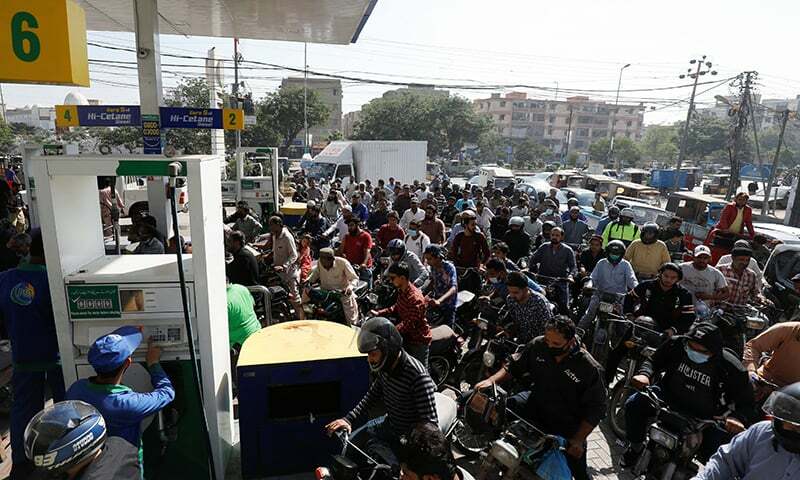
The Iran war contributed to the Republican defeat, particularly because of its impact on gasoline prices and the wider cost of living. While both Trump and his Vice President JD Vance acknowledged its political consequences, the former defended his decision to launch the conflict.
“If I had to do it again, I’d do it again,” he said after the election. VP Vance was more direct, writing on social media that “the reason we lost is the war”.
In an Oval Office exchange on Thursday, Trump nevertheless suggested that the election results would not deter him from military action. “If we have to do the rest of the Iran thing, we’re very much locked in,” he said.
The president has several options: he could maintain the present military posture, continue the naval blockade restricting Iranian oil exports, or launch another campaign targeting Iran’s remaining military and strategic infrastructure. A negotiated settlement involving the reopening of the Strait of Hormuz, sanctions relief and renewed nuclear talks remains another possibility, one which the rest of the world is far more keen on.
US media reports suggest Centcom is preparing for a possible return to major combat operations, although it has not received an order to begin them.
Meanwhile, diplomacy has accelerated in the Middle East, with Iranian Foreign Minister Abbas Araghchi holding calls with counterparts from Qatar, Saudi Arabia, Turkey, the United Arab Emirates, Oman and Egypt this week. Qatari mediators have discussed reciprocal confidence-building measures, including a possible US easing of its naval blockade and release of frozen Iranian funds in exchange for Iran reopening the Strait of Hormuz and resuming nuclear negotiations.
Senior diplomats in Washington say they do not expect an immediate change in the administration’s foreign policy. Military preparations and peace efforts are likely to continue simultaneously.
They believe the election has increased, rather than diminished, Pakistan’s importance as a potential peacemaker. Islamabad and other regional capitals, however, are waiting for the dust to settle in Washington, including uncertainty over the future of Defence Secretary Pete Hegseth and Secretary of State Marco Rubio, before launching another diplomatic initiative.
Frederick Kempe, president of the Atlantic Council, warned that the election outcome could make negotiations more difficult.
“In the Gulf, the consequences could be more immediate, as Iranians will interpret the outcome as a vote against Trump’s war and will be even more reluctant to negotiate the future of their nuclear capabilities,” Kempe wrote.
In the absence of an unexpected Iranian decision to accept a negotiated settlement, Kempe considered a sustained series of US strikes designed to degrade Iran’s remaining military capabilities and damage its energy infrastructure a likely scenario. “This could provide Trump with an opportunity to declare that the United States’ principal military objectives have been achieved,” he wrote.
Trump’s threat that US might eventually have to “give them the hammer”, however, suggests that another operation could go beyond limited punitive strikes. A further escalation could invite Iranian retaliation against American bases, Gulf infrastructure and commercial shipping.
A strike against the deeply buried Pickaxe Mountain nuclear facility has also been discussed as a possible option. But even if the United States declares its military objectives achieved, the underlying questions surrounding Iran’s nuclear programme and regional security would remain unresolved.
The election has also strengthened Democrats’ ability to challenge the administration’s conduct of the war. They will assume control of congressional committees and spending decisions when the new Congress convenes in January.
Senate Democratic leader Chuck Schumer has already called for an end to the conflict. “This war must end. It must end,” he said, pointing to Congress’s power over government spending as a means of restraining military operations.
House Democratic leader Hakeem Jeffries also urged Trump to end the war before the new Congress takes office, blaming the conflict for increasing fuel, fertiliser and grocery costs. “We ran on affordability. We won on affordability,” he said.
According to the AP Voter Poll, about six in ten voters considered the decision to take military action against Iran wrong. However, only about one-third said the war was crucial in determining their congressional vote, compared with roughly half who identified the cost of living and government corruption as major considerations.
The economic consequences remain a significant constraint on Trump’s choices. GasBuddy put the US national average gasoline price at $4.06 a gallon on Thursday and early Friday, although analysts expect it could fall below $4 next week. Markets had initially responded to the election results with lower oil prices amid expectations that Washington would face greater pressure to negotiate.
Elisa Ewers, a senior fellow for Middle East studies at the Council on Foreign Relations, believes Trump’s domestic political difficulties could produce a more aggressive foreign policy. “Trump may take on an even more adventurist foreign policy, including in the Middle East, as he faces real constraints on his domestic agenda,” she wrote.
Published in Dawn, November 7th, 2026