Nasa’s satellite telescope heads for fiery re-entry 22 years after launch
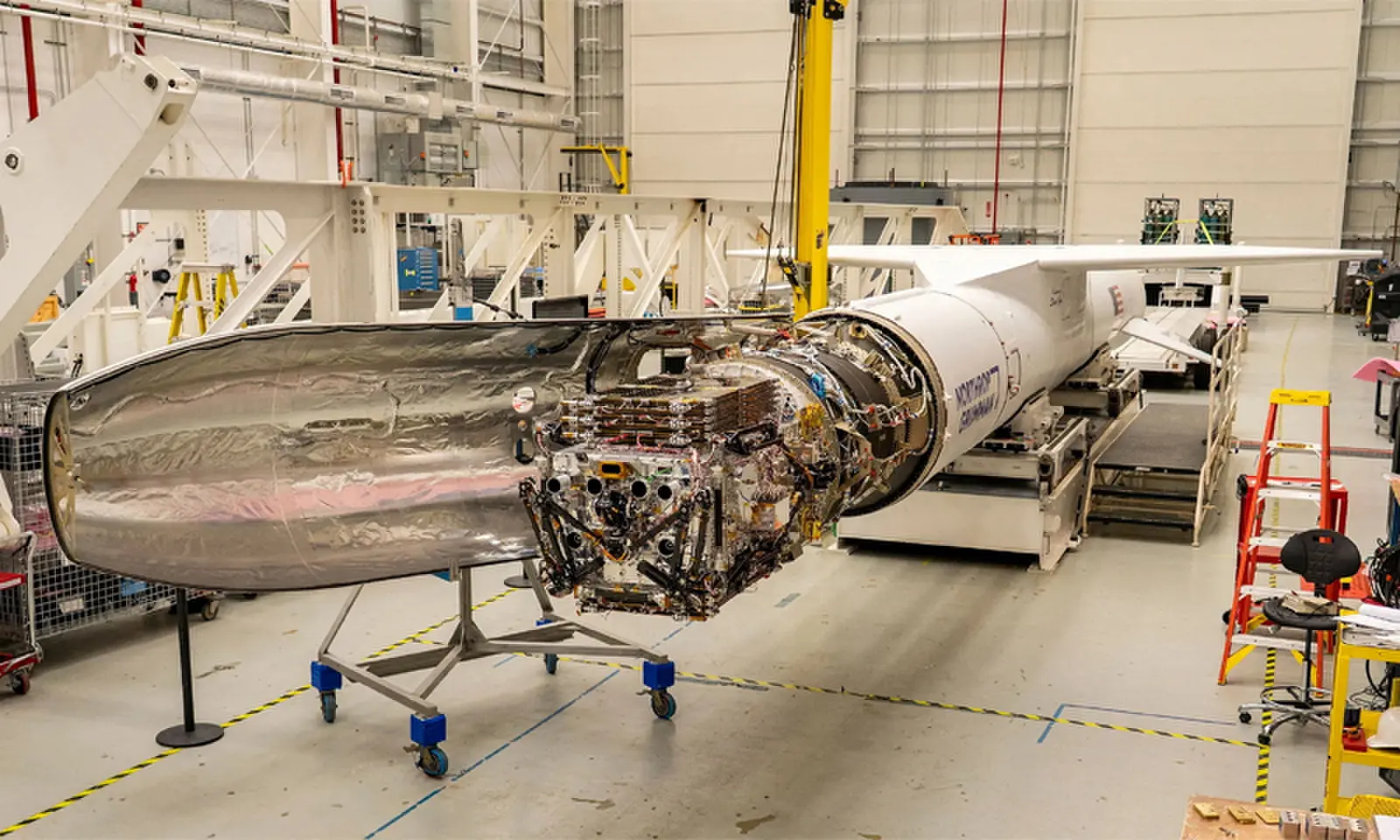
AN ageing Nasa satellite telescope that a robotic spacecraft was sent to retrieve on a failed rescue mission this summer was headed for a fiery re-entry into Earth’s atmosphere, nearly 22 years after it was launched into orbit.
The Neil Gehrels Swift Observatory, weighing roughly 1,452 kg, was set to tumble out of orbit and burn up in the atmosphere somewhere over the tropics, with fragments surviving re-entry unlikely to threaten populated areas, according to Nasa.
The US Space Force has put the odds of harm coming to anyone on Earth at one chance in 2,100, Nasa said in an online statement, projecting the time of re-entry at approximately 3:30am. The Aerospace Corporation, a nonprofit national security research entity, projected a re-entry window of 5:19am, plus or minus two hours.
London-based astrophysicist Jonathan McDowell, an honorary professor at the Durham University Space Research Centre, cited revised US Space Force data predicting re-entry most likely to come around 7:45am EST.
“The satellite is in a very circular orbit, skimming the top of the atmosphere,” he said.
“The question is at what point does it heat up enough that it starts breaking up.” Nasa’s prized $500 million Swift satellite, a first-of-its-kind multi-wavelength space observatory, has been studying gamma-ray bursts and other cosmic phenomena since 2004, using its array of three telescopes.
The observatory, which has no onboard propulsion system of its own, has been drifting toward an expected demise for months as it circles the globe at a speed of roughly 17,000 miles per hour. Astronomers had hoped to extend Swift’s mission for a number of years by giving the satellite telescope a lift.
Published in Dawn, November 5th, 2026