SOCIETY: THE SCARS OF KAAL DAANA
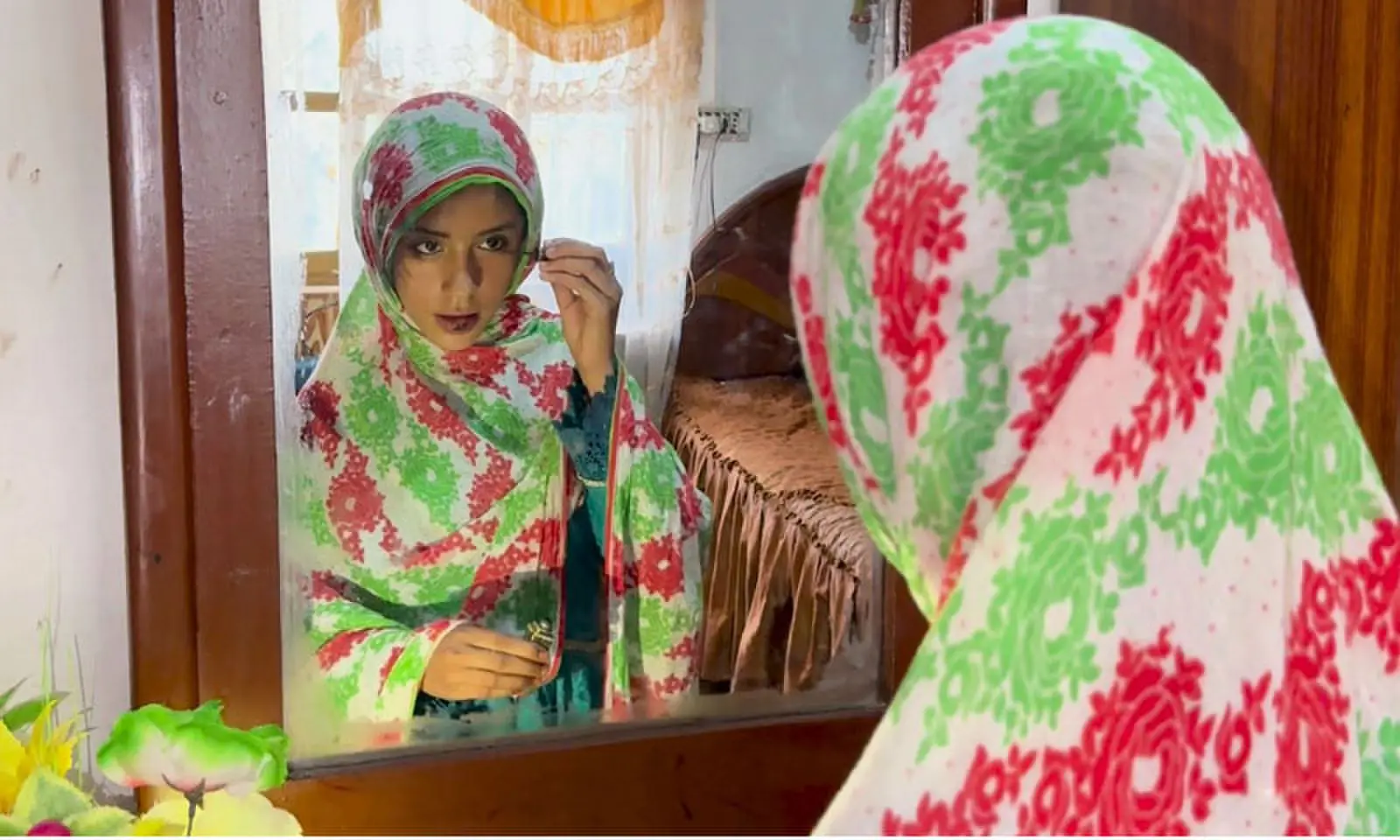
Fifth-grader Malaika carefully applies kohl to her eyes as she looks into the mirror. But the reflection reminds her of an ordeal that upsets her almost every morning as she heads to school in Muslim Bagh, a town in Balochistan’s Killa Saifullah district.
A lesion on her lower lip — caused by cutaneous leishmaniasis (CL), a skin disease locally known as ‘kaal daana’ — has made eating difficult. But physical discomfort is only part of Malaika’s ordeal.
At school, she says, other girls laugh at her. “‘What happened to your lip?’ is the question I hear most often,” she tells Eos. The ridicule is not limited to school and accompanies her even when she steps out, she adds.
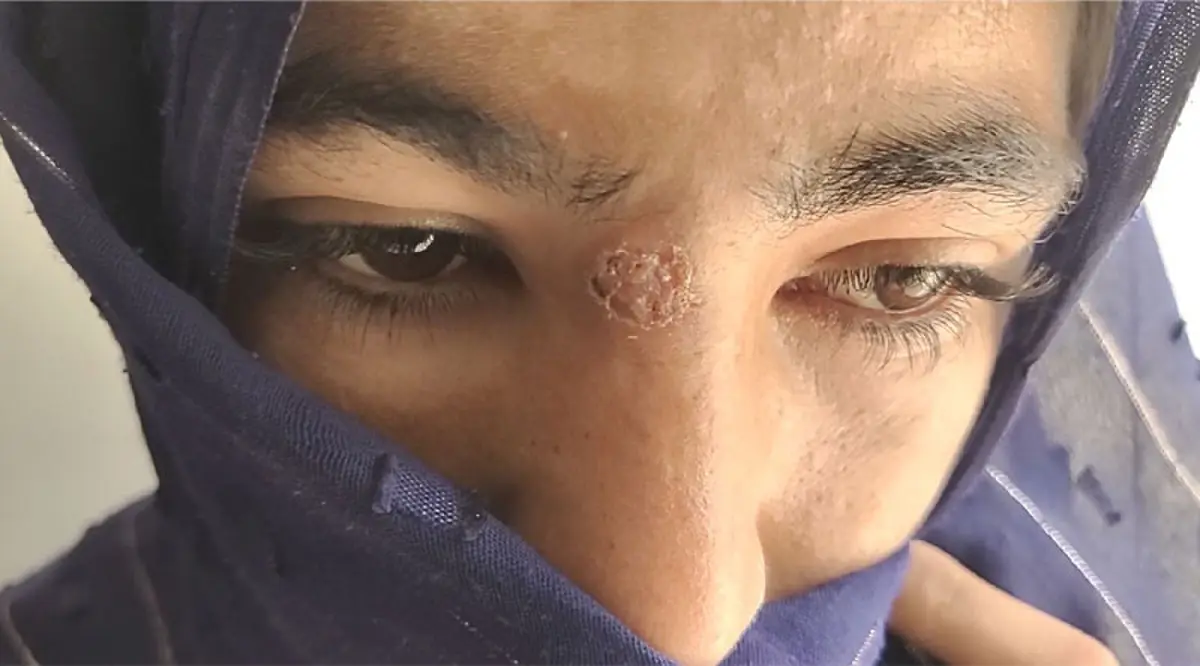
“I tell my classmates and friends that it is due to a mosquito or fly bite,” Malaika says. Her voice trembles as she recalls another girl who left school after classmates repeatedly mocked a lesion on her nose.
In Balochistan, girls and women with cutaneous leishmaniasis face not only the disease but also the prejudice attached to visible scars, compounded by barriers to healthcare
Malaika’s story is not unusual in an area where access to healthcare is limited, treatment can be costly, diagnosis is often delayed and awareness of the disease remains low.
THE BITE AND ITS AFTERMATH
Leishmaniasis is a vector-borne disease that is transmitted to humans through the bite of infected female sandflies. Cutaneous leishmaniasis, its most common form, usually affects exposed areas of the skin, including the face and limbs. It causes skin lesions and may result in permanent scarring, but it is rarely fatal.
The World Health Organisation (WHO) estimates that 600,000 to one million cases of cutaneous leishmaniasis occur worldwide each year, though only 200,000 are reported. Pakistan is among the countries that account for a large share of the reported cases.
A 2026 study in the Eastern Mediterranean Health Journal, titled ‘Epidemiology and Risk Factors for Cutaneous Leishmaniasis in Pakistan’, estimated that Pakistan records between 21 ,000 and 35,000 cases annually.
The study estimates that the total number of cases in Pakistan is around 400,000 — 10 percent of the global estimated total of four million cases. It identified Balochistan and Khyber Pakhtunkhwa as the most affected provinces, especially their rural areas.
According to WHO data, Zhob, Killa Saifullah, Killa Abdullah, Kalat and Lasbela are among the worst-affected districts in Balochistan, with 1,500 cases of CL registered at the WHO’s diagnosis centre in Zhob in 2025.
BEYOND THE VISIBLE WOUND
Patients in the region can seek diagnosis and treatment at a centre in Zhob, about 200 kilometres from Muslim Bagh, or at a Médecins Sans Frontières (MSF) facility in Kuchlak, on the outskirts of Quetta. MSF also runs three facilities in Quetta, providing free diagnosis, treatment and medicines, along with mental health support and health education.
“In our society, any woman with a scar or lesion on her face is considered incomplete, or even ugly,” says Pashtana, 24, who was at the Zhob centre for the French-manufactured Glucantime injection to treat her wound.
Pashtana says facial lesions that heal with permanent scars can become a source of stigma at home, at school and in the community.
Some cases of cutaneous leishmaniasis can heal without treatment, but recovery can take months or even years. The outcome depends on the parasite species and the patient’s immune response.
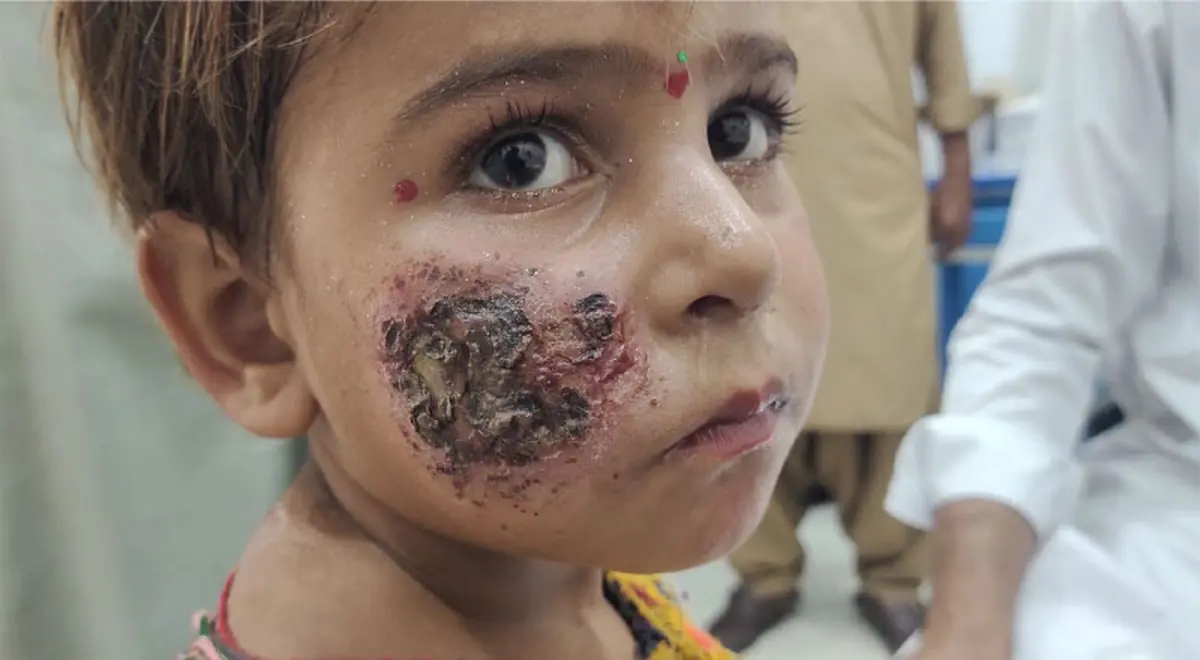
But not getting the lesion treated can result in discomfort, itching and soreness. And leave a permanent scar. “While the disease affects men more, it can shatter a woman’s world, especially if you are young,” says Pashtana. “Girls have to pay the highest price. You can die a spinster.”
WHEN CARE IS OUT OF REACH
Razia, a middle-aged housewife, could not afford the journey to a treatment centre and did not receive timely care. As a result, she tried a local remedy, but without success. “When you are living in a remote area, getting proper medical care is not easy,” she says.
Razia’s experience highlights the barriers facing women in remote towns who must travel to urban areas for repeated treatment. For some, travel is further complicated by social expectations, even compulsion, that they be accompanied by a male relative.
Dr Anne Marie Morales of MSF says delayed treatment can worsen the lesions and increase the risk of scarring. The wound can be made worse by traditional remedies, such as plant extracts, caustic substances and even battery fluid, which can make treatment more difficult and increase the risk of permanent scarring.
Razia says people started avoiding her, worried that she could infect them. “Others thought I had cancer, and I was even blamed when my brother’s children developed a lesion,” she tells Eos.
Dr Kamal Khan of the Balochistan Institute of Psychiatry says people affected by leishmaniasis may experience embarrassment, fear of judgement and social rejection, and may avoid gatherings. “Patients and their families may worry that visible lesions or scars could negatively influence marriage prospects or acceptance by a prospective spouse and their family,” he says.
Such concerns can cause significant emotional distress, reduce self-confidence and create anxiety about the future. Dr Khan says patients need empathy and support, rather than judgement based on their appearance.
For Malaika, the wish is simple: to study without being laughed at, to attend weddings without people staring at her and to look into the mirror without feeling defined by her scar.
The lesion on her lip may eventually heal. Ensuring that its social scars do not endure will require more than medical treatment; it will also mean improving access to care and challenging the stigma surrounding the disease.
The writer is a Balochistan-based independent journalist. He can be reached at: mandokhail.rafi@gmail.com
Published in Dawn, EOS, November 1st, 2026