I WAS heartened to read about the Punjab government’s long-awaited appointment of vice-chancellors (VCs) for five medical universities. Though the process was delayed by what seems like excessive scrutiny, the outcome appears to have been worth the wait. The government has selected highly competent and eligible individuals for these coveted posts, and deserves to be given due credit for it.
The most significant aspect of these appointments is the condition that all the VCs have been barred from undertaking any direct or indirect clinical or para-clinical practice. This prerequisite, which was made a condition for the final noti- fication, may seem unnecessary to some, but it is of immense importance.
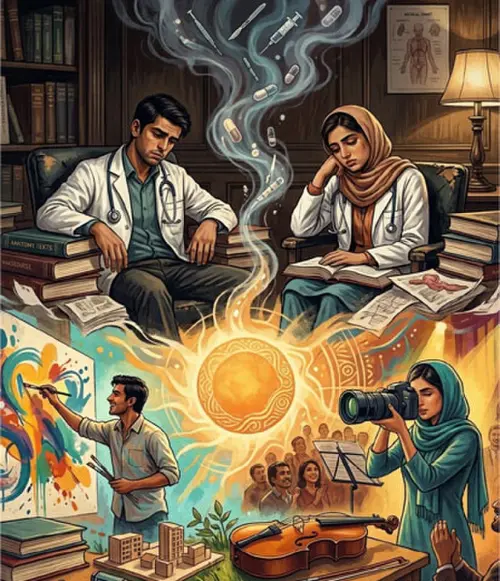
It is not humanly possible to do justice to more than one demanding role with the required commitment. By eliminating the distraction of private practice, the VCs can now fully concentrate on their duties, fostering a better academic environment and working for the welfare of their students. With this progressive precedent in place now, the same restriction now needs to be applied to all teaching staff in medical colleges and universities across Pakistan and Azad Jammu and Kashmir (AJK) for both the undergraduate and postgraduate programmes.
Private practice among teaching faculty is a dangerous trend and greatly affects the education of medical students. It leaves teachers with no time to teach, supervise and guide their students properly. At the very least, all public medical colleges should be advised to impose strict restrictions on private practice by their teaching faculty. The Pakistan Medical and Dental Council (PMDC) should take the first step in this crucial situation.
If such a policy is implemented, we can hope for a brighter future for the medical profession and a significant spike in the standard of our medical graduates.
Dr Ahmed Bakhsh
Rawalpindi
Published in Dawn, October 31st, 2026