The Journey of Ideas: Literary Essays and Columns
Nasir Abbas Nayyar
Sang-e-Meel Publications
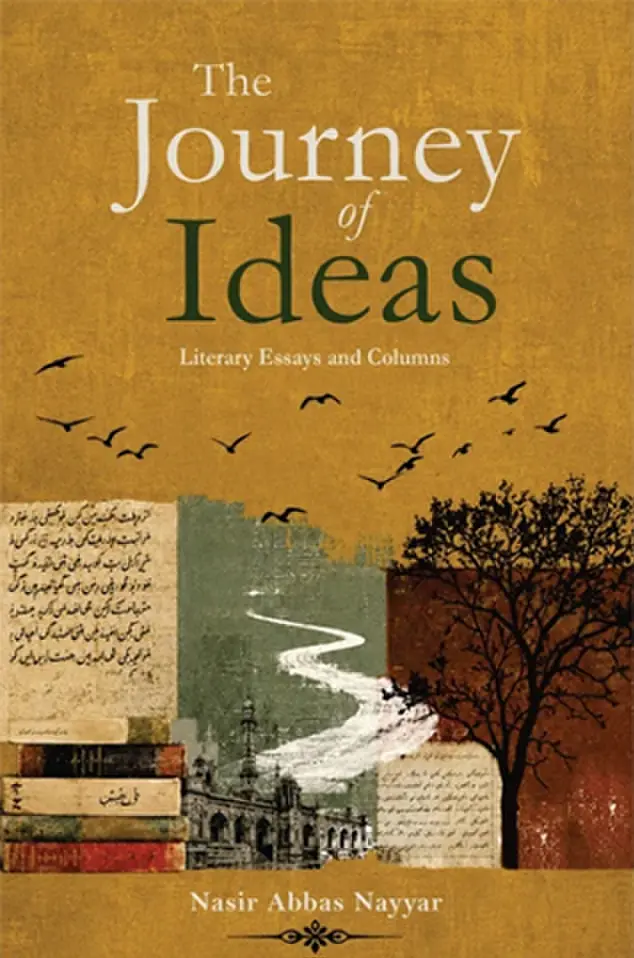
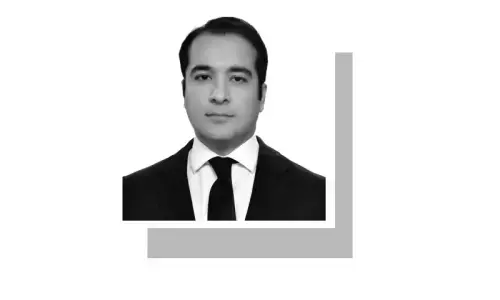
Dr Nasir Abbas Nayyar is a distinguished Urdu critic and short story writer, whose critical writings initiated postcolonial debates in Urdu literary studies. He has authored several books on the theoretical and practical aspects of modern and postmodern criticism and has produced detailed analytical studies of major classical and modern Urdu texts. In his fiction, he portrays the existential and psychological conditions of human beings in a unique manner, particularly those shaped by history and destiny.
This book is his second collection of English essays and columns published in various newspapers and periodicals. It engages with literature, history and the contemporary world. His first compilation came out in 2021.
Pakistan Wars and Peace
Brig (retd) A.R. Siddiqi
Delhi Punjabi Saudagran Foundation
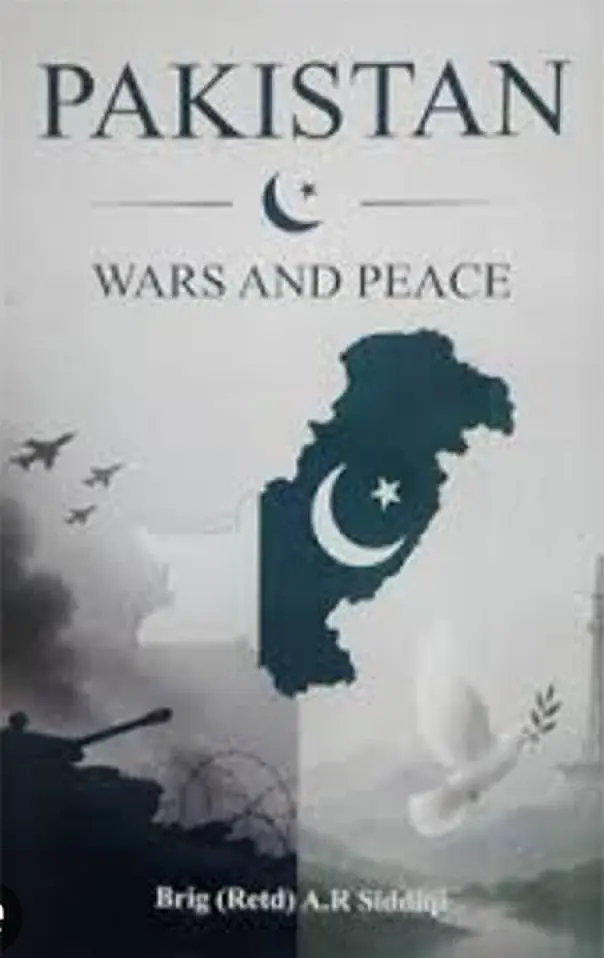
Brig (r) Abdul Rahman Siddiqi, who turned 102 on September 6 this year, has, through the years, been in the thick of events at critical junctures of history. He joined the Inter-Services Public Relations (ISPR) as a captain in 1950 and rose to the rank of brigadier in 1970. He retired in September 1973.
With his weapon of choice being the pen, before joining the army, he enjoyed a wonderfully diverse cycle of experiences as a journalist, first with Dawn as a sub-editor in 1947 in Delhi and then as a special correspondent for the Civil and Military Gazette in Lahore from 1947 to 1950, when he joined the army. After retirement, he launched the monthly Defence Journal in early 1975.
The book presents a cross-section of articles from the Defence Journal, including a detailed account of the 1971 war that led to the creation of Bangladesh. It is a fascinating read, offering insights into the officer corps’ thinking on both sides and the individual and collective heroics of frontline warriors. It also introduces readers to the geography of the erstwhile East Pakistan and to the quaint villages, steeped in splendid isolation and anonymity, which suddenly rose to prominence because of their strategic locations. The book also contains chapters on military philosophy that apply equally to civilian life.
Shahjehan Syed Karim — The Journey: From Public Service to
Lasting Legacy
Ejaz Wasay
Lightstone Publishers
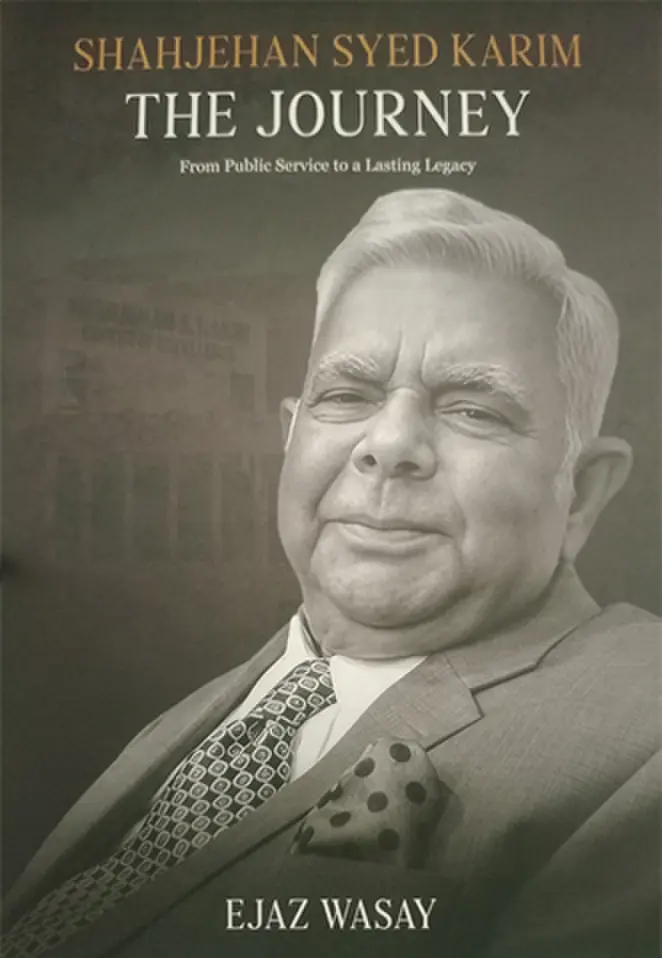
The book traces the remarkable path of Shahjehan Syed Karim from British India through decades of distinguished service in the Pakistan Civil Service and the United Nations.
It explores the experiences, choices and values that shaped him and ultimately led to his greatest legacy: the founding of the Institute of Business Management (IoBM), one of Pakistan’s most respected educational institutions.
The book has been written by Ejaz Wasay, who has over 50 years of marketing experience with leading multinational and local companies. He also served as president of the Marketing Association of Pakistan in 2005 and has been a juror for the PAS and Effie Pakistan awards since their inception. Wasay was also head of media studies and associate professor at IoBM, the very institution founded by the man whose life the book chronicles.
Unconventional: The Bank No One Saw Coming
Sibtain Naqvi
Liberty Publishing
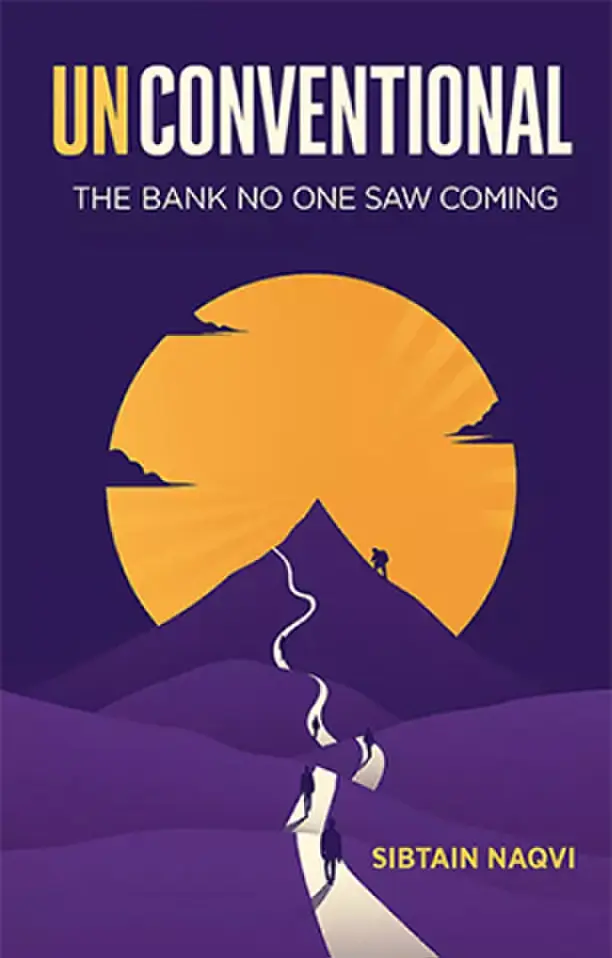
The book tells the story of Meezan Bank, which is not just the history of a financial institution. What began as a small initiative in a challenging environment grew into Pakistan’s first Islamic bank.
The book chronicles the turning points, the trials and triumphs that helped the bank grow from a bold idea into a leading commercial bank. As Pakistan’s Islamic banking leader, Meezan has not just earned a market share but deep corporate trust.
From almost nothing 23 years ago, Islamic banking now accounts for almost one-fourth of a much larger banking sector. The journey towards the goal of establishing Islamic banking in Pakistan, as narrated in the book, makes for fascinating reading.
September ’65
Brig (retd) Amjad Ali Khan Chaudhry
Lahore School of Economics
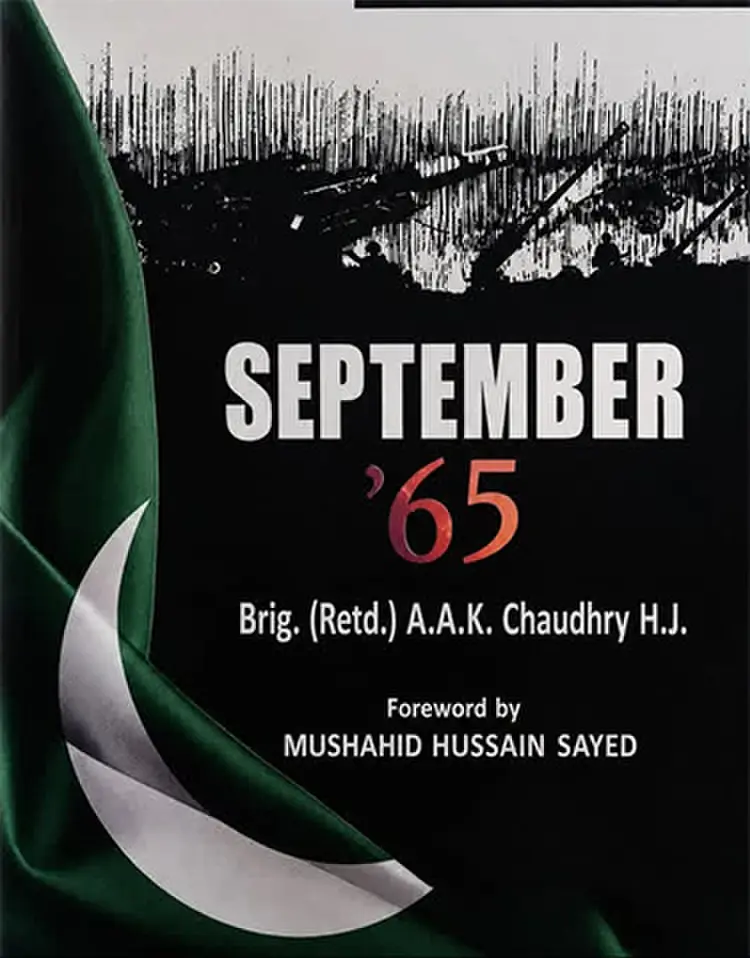
This is the third edition of the same book, published in 1977 and 2015. It is dedicated to all ranks of 4 Corps Artillery, about whose performance in the September 1965 war then president Gen Ayub Khan wrote: “By all accounts the part played by the 4 Corps Artillery can only be termed as magnificent.”
This latest edition has a foreword by the former chairman of the Senate Standing Committee on Defence and Defence Production, Mushahid Hussain Sayed.
He writes: “Both September 1965 and May 2025 were blatant acts of aggression by India against Pakistan, violating international law and the United Nations Charter. In both military encounters, Pakistan got the better of India, which emerged badly bruised and, in both situations, the Pakistan Air Force excelled.
“Both military encounters saw China and Turkey firmly supporting Pakistan, militarily and diplomatically. Both military encounters galvanised the Pakistani nation through pride in Pakistani nationalism, backed by a deep-rooted patriotic fervour. Finally, the way Pakistan repulsed Indian aggression in September 1965 and in May 2025 clearly demonstrated that size does not equal strength and the determinants of a country’s national defence include will and skill, morale and motivation, talent and technology.”
Published in Dawn, Books & Authors, November 1st, 2026