Netanyahu's bloc finishes ahead in Israel election, but well short of majority
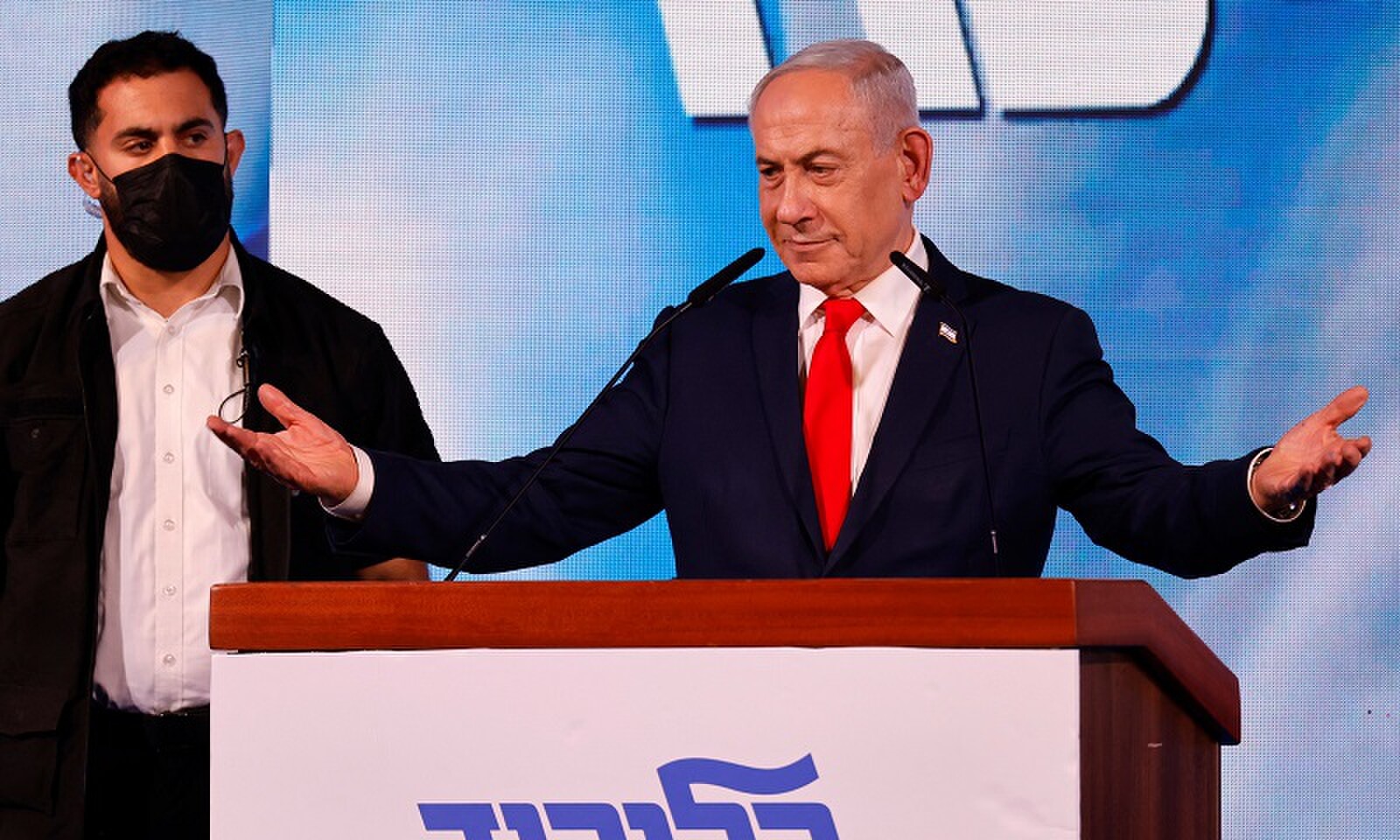
Israeli Prime Minister Benjamin Netanyahu’s camp finished ahead of the opposition but remained well short of a majority, final results from general election showed on Friday, setting the stage for tough coalition talks or potentially another vote.
Netanyahu’s coalition of right-wing and far-right parties won 53 of the Knesset’s 120 seats, with his Likud party remaining the largest faction with 27 seats.
The opposition bloc, led by centrist Gadi Eisenkot, secured 48 seats.
The results from the Central Elections Committee also cemented the emergence as potential kingmakers of the Arab party groupings Raam and the Joint List, with the two winning a combined 19 seats.
The fragmented outcome sets the stage for difficult negotiations to form a government that could last weeks, with no single bloc able to reach the 61-seat threshold needed and the prospect of another election remaining if talks fail.
The final tally came after Netanyahu’s camp spent Thursday amplifying unproven allegations that Arab-Israeli groups received foreign funding to influence the vote, accusations rejected by both Arab-majority lists and Qatar.
Israel’s Shin Bet domestic security service said it was investigating suspected irregularities, but stressed the probe was not intended to “cast aspersions or place blame on an entire sector that went out to vote in a democratic and lawful manner”.
The electoral commission also sought to calm tensions, with its acting director general Dean Livne saying any suggestion of widespread issues was “entirely groundless”.
Political earthquake
The controversy centred on allegations that Raam received money from Qatar, the energy-rich Gulf powerbroker that has channels to Hamas, to finance vote-buying operations.
“The Raamgate scandal is a political earthquake. Israel’s elections have been stolen!” Netanyahu’s Likud party alleged on Thursday.
Raam leader Mansour Abbas denied any wrongdoing and welcomed an investigation, while the Joint List accused Netanyahu and his allies of conducting a “campaign of incitement” out of fear of Arab voters’ growing political influence.
Government officials have so far provided no evidence to back the allegations.
Opposition figures accused Netanyahu of attempting to undermine confidence in the results after failing to secure a governing majority.
“He is trying to challenge the election results,” left-wing candidate Yair Golan said.
Eisenkot said he was briefed by the Shin Bet and the election committee, adding it was “too early to understand what happened, and whether anything happened at all”.
But he continued: “It’s already clear that Likud and Netanyahu have embarked on a coordinated, organised campaign seeking to delegitimise the results of the election.”
Netanyahu himself has long been under the cloud of allegations related to Qatar after the arrests last year of two of his aides for allegedly receiving payments from the Gulf state.
Qatar called the latest accusations “ridiculous and dangerous”.
Kingmakers under pressure
Yousef Jabareen, head of the Joint List, told AFP that he is willing to cooperate with the opposition to bring down Netanyahu but without joining it in a government.
Netanyahu had tried during the voting to raise allegations of fraud, saying that Arab parties were caught with envelopes of cash, and Likud peddled the accusations throughout Thursday.
Police said they arrested three suspects but the election commission called it an isolated local case.