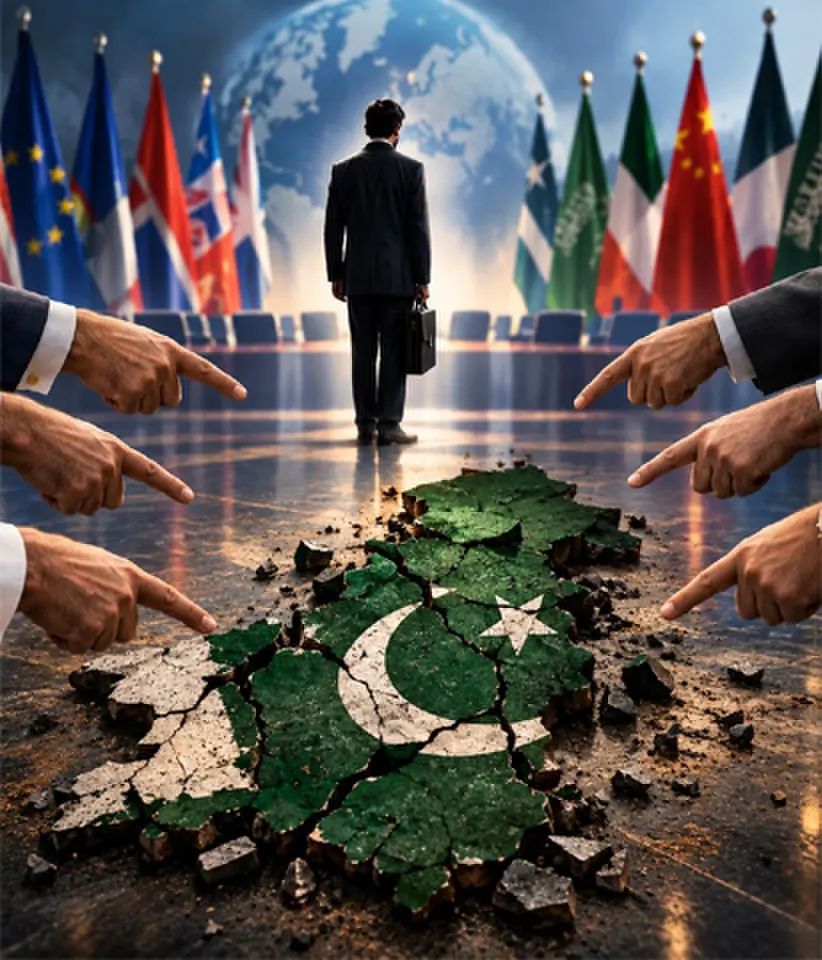
THIS is with reference to the report ‘Four-nation deal to pool defence know-how’ (Oct 22). While Pakistan is wrestling with political confrontation at home, its diplomacy is opening doors abroad. From the Badr memorandum of understan- ding (MoU) to the Makkah Joint Defence Agreement, and from Saudi Arabia’s security consultations to mediation with Iran and the United States, Pakistan is acquiring a place at tables where regional security is being negotiated. The opportunity is considerable. The challenge is to turn international recognition into domestic stability, industrial strength and prosperity.
The Badr MoU, signed by Qatar, Türkiye, Pakistan and Indonesia, marks the latest advance. The opportunity extends beyond buying and selling weapons. Shared design, component manufacturing, software development, testing, maintenance and training could create enduring industrial relationships. A country that helps manufacture a system develops skills and supplier networks that an ordinary purchase may never deliver. But signatures cannot run factories. The Badr MoU needs an efficient institution to translate ambition into projects, with agreed financing, clear responsibilities and deadlines. Good faith must be matched by management capable of delivering on time.
Military might, however, achieves its greatest value when it supports diplomacy. Pakistan is continuing with its efforts to help bring the US and Iran towards some sort of an accommodation. Pakistan is attempting a difficult balancing act: sustaining communication with the US, preserving access to Iran’s leadership, and maintaining Saudi confidence.
Its usefulness rests on maintaining a credible channel across these relationships. This is where Pakistan’s defence partnerships and diplomatic role must reinforce each other. Pakistan can gain lasting influence by helping countries find an exit from confrontation that preserves security and dignity. However, such an achievement would be more persuasive if accompanied by reconciliation at home.
Continuing confrontation with political rivals consumes political energy that the country urgently needs for reconstruction. Pakistan should ensure fair and transparent judicial proceedings, and put an end to politically motivated moves.
The way forward also requires credible institutions, and all political actors to remain within constitutional limits. A country seeking to mediate between bitter international adversaries should apply the same patience and confidence to resolving its own political disputes.
Peace along the country’s borders is equally necessary. Terrorism must be confronted firmly, but lasting security also requires sustained diplomacy with Afghanistan. Islamabad and Kabul need practical arrangements to prevent armed groups from exploiting territory, manage border disputes and preserve legitimate trade. With Iran, cooperation should protect a peaceful frontier. With India, Pakistan should continue seeking dialogue and measures that reduce the risk of another military escalation.
Economic recovery must give these efforts a material foundation. Pakistan’s mineral resources can contribute far more if extraction is supported by value addition. Mineral wealth would become national wealth only when it creates productive skills, competitive businesses and lasting employment. Exporting raw materials alone would leave much of the value elsewhere.
Pakistan has earned itself an opening. Its task now is to make external confidence durable through internal consent, peaceful borders and productive industry. The country’s finest strategic achievement would be a Pakistan in which the people get to experience the gains its government announces: greater security, meaningful work and a future worth investing in.
Qamar Bashir
Islamabad
Published in Dawn, October 30th, 2026