Winter offers a range of options for vegetable gardens. In Pakistan, the easiest to grow are vegetable plants from the Brassicaceae family, along with other leafy greens. Winter vegetable seeds can generally be sown from late September to mid-November, depending on local conditions. Here are some tips for growing winter vegetables successfully.
ONE CONTAINER, ONE VEGETABLE
Despite limited space, more households across Pakistan are taking up kitchen gardening, often using pots and grow bags. A single plant of a cruciferous vegetable, such as cabbage, broccoli, kale or cauliflower, can be grown in a 12- to 14-inch container, provided it is sufficiently deep.
A little space is all you need to grow winter vegetables at home. Just keep in mind some of these tips for success…
For best results, sow one seed per cell in a seedling tray in late October or early November. Alternatively, sow four seeds in a four-inch pot. Once the seeds germinate, select the strongest seedling. Look for a short, stocky plant with a thick stem, vibrant green true leaves and a compact structure rather than simply choosing the tallest one. Transplant it into a 12- to 14-inch container.
SMALL POTS, BIG HARVEST
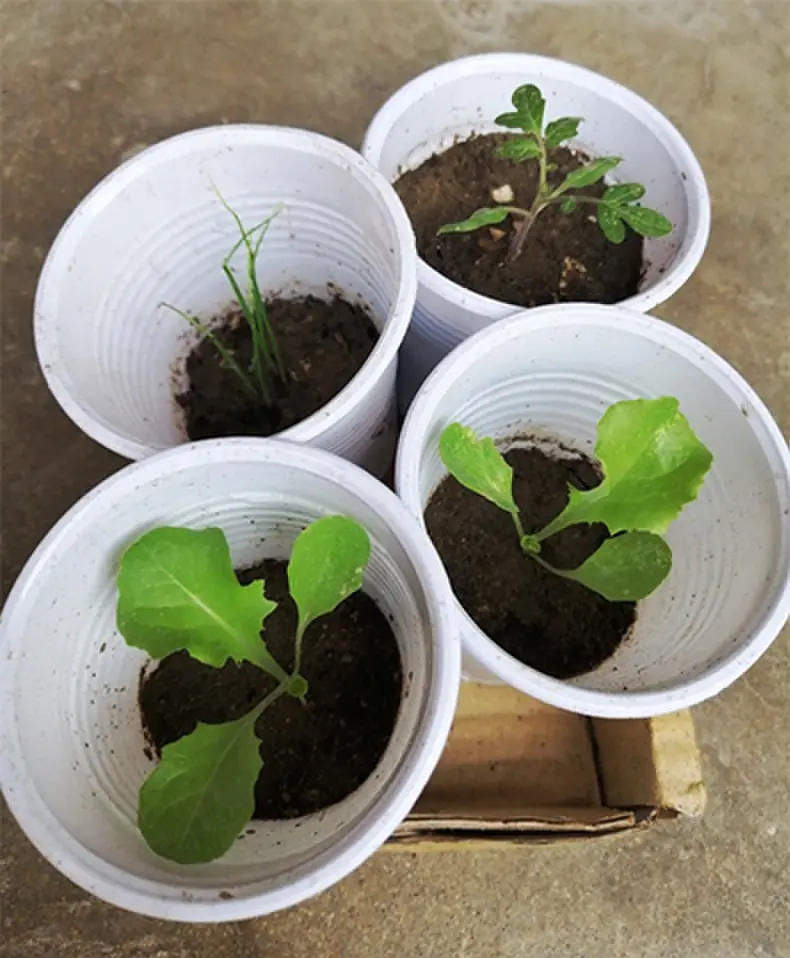
Although many plants grow better with more room for their roots, several herbs and leafy greens thrive in smaller pots and compact spaces. For example, coriander, fenugreek, rocket, garlic chives, mustard greens, spinach, lettuce, bok choy and Swiss chard can be grown in pots of six to eight inches. S
ow several seeds in each pot, following the recommended depth for each crop, and cover lightly with fine potting mix. This produces a dense crop of leafy greens in a relatively small space. To manage space, leafy vegetables and herbs can also be grown around already potted plants. Many of these crops can also be harvested more than once during the season, provided the growing tips or outer leaves are left intact where appropriate.
COLLECTING THE PRIZE
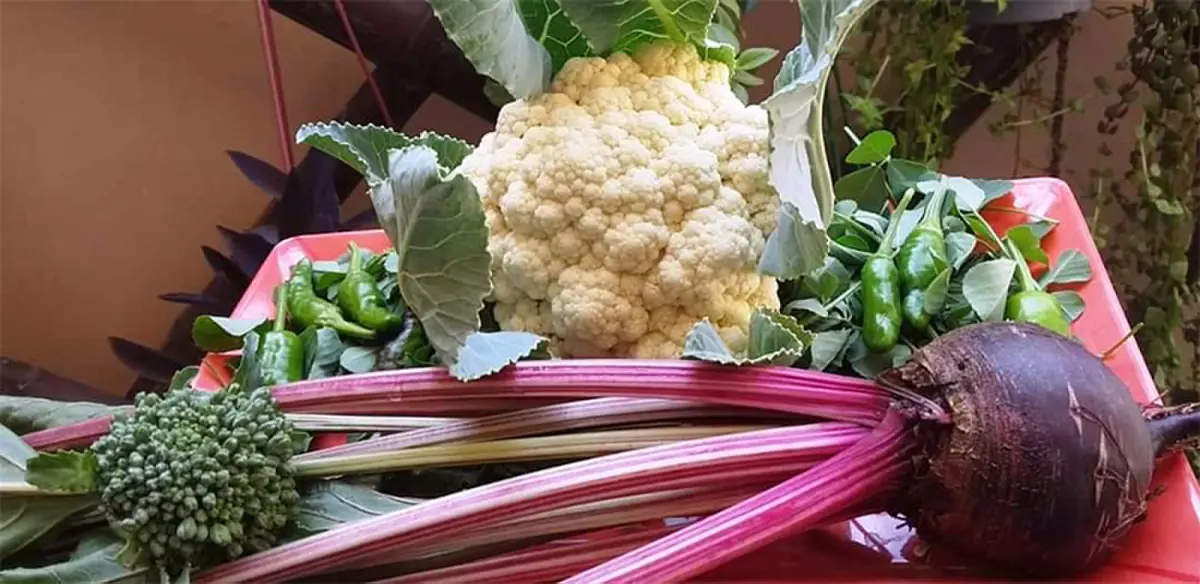
Wooden fruit crates and raised beds can accommodate peas, garlic, onions and root vegetables such as radish, turnip, beetroot and carrot. Most kitchen gardeners grow these vegetables for everyday cooking. It may take a fortnight or longer to harvest enough for a family meal, depending on the crop and the number of plants. Some crops take longer to mature. Red radishes and rocket, for instance, may be ready to harvest in about six weeks, depending on the variety and growing conditions.
NO RAIN, NO PAIN
In areas prone to heavy seasonal rain, it is best to sow winter vegetables after the rains have eased and the soil drains well. Waterlogged soil can damage seeds and seedlings. Standing water can cause root-rot and encourage fungal diseases. During germination and early growth, keep seed trays in a sheltered spot, protected from heavy rain, while ensuring adequate light and ventilation.
SEASON’S GREETINGS
Every winter, readers ask which plants can be grown between mid-December and mid-January. The question often comes from parents who want to introduce their children to gardening during the winter school holidays.
For many winter vegetables, October and early November are suitable sowing months, although the ideal timing varies by region and crop. If you want to start gardening in December or January, buy healthy, established seedlings from a local nursery. Many winter vegetables can be harvested through March, depending on the crop, variety and local climate.
Please send your queries and emails to doctree101@hotmail.com. The writer is a physician and a host for the YouTube channel ‘DocTree Gardening’ promoting organic kitchen gardening
Published in Dawn, EOS, November 1st, 2026