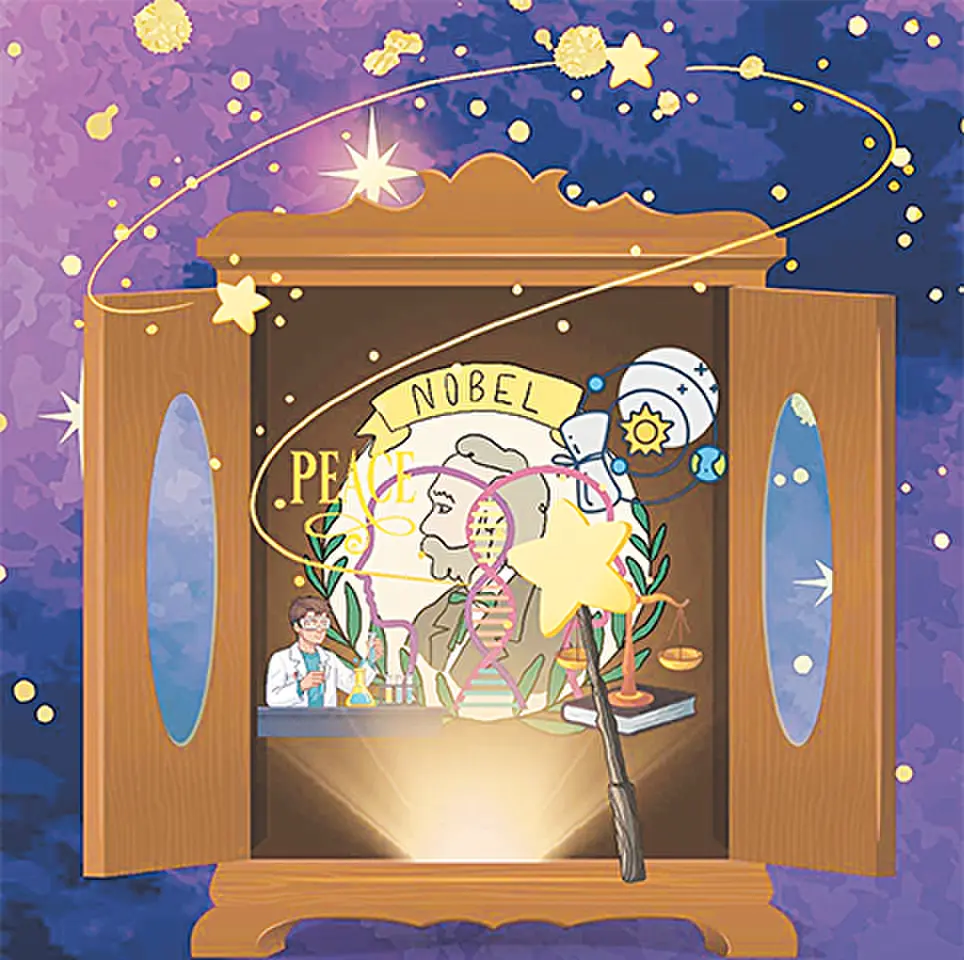
At the end of our hallway stands a grumpy old cupboard that creaks when you cross it. Everyone says it holds blankets, although I have always suspected biscuits. One October morning, I pulled its handle and found six doors inside, each with a medal for a doorknob. My knees went wobbly as I stepped inside. The cupboard is pretend, of course, but the Nobel Prizes are real.
A note explained that Swedish inventor Alfred Nobel left his fortune to reward work that helps humanity. The first prizes were awarded in 1901 for physics, chemistry, physiology or medicine, literature and peace. Economics joined later as an award in his memory. I hoped one door led to biscuits.
Behind the first door floated a green alga looking as pleased with itself as a cat in sunshine. Peter Hegemann and Georg Nagel discovered an algal protein that responds to light. Karl Deisseroth used it to switch specially prepared nerve cells on and off. Their discoveries won the prize in physiology or medicine, and gave scientists a new way to study the brain. The method is called optogenetics, and it helps researchers explore memories, feelings and actions.
Researchers are exploring whether it could restore sight, though it cannot cure every illness. My own brain, meanwhile, remained firmly switched to snacks.
The second door opened onto Antarctic ice so cold my eyebrows felt frozen. Francis Halzen won the 2026 Nobel Prize in Physics for decisive contributions to the IceCube Neutrino Observatory and the discovery of high-energy neutrinos of astrophysical origin. These tiny particles pass through almost everything, which is why people call them ghost particles. One might have passed through my sandwich without asking for a crumb, which would be rude.
IceCube has sensors deep in the ice that detect flashes when neutrinos interact with matter. They help scientists study distant galaxies and powerful events in space. Our freezer has discovered nothing more exciting than peas.
At the third door, two gloves argued about which was correct. They reminded me of the mirror-image molecules studied by chemistry prize winners Henri B. Kagan and Kenso Soai. Their discoveries showed how chemical reactions can produce much more of one molecular form than the other. Soai also found a reaction in which its product helps make more of itself. Their findings help explain life’s molecular shapes and aid chemists in planning how to make medicines. My mixed-up gloves suddenly seemed less troublesome.
The fourth door opened into a book whose words appeared to be turning cartwheels. Canadian writer Anne Carson won the literature prize for bringing old stories and classical ideas into inventive new forms. She mixes poetry, prose and translation in surprising ways.
Books help us imagine other lives and name feelings we do not understand. I wished my homework could turn cartwheels too.
On the fifth door, a sign read that nobody could push smaller people aside. South African judge Navi Pillay won the peace prize for her work promoting peace and international law. She has defended human rights and helped bring people responsible for terrible crimes to justice. Her work reminds us that powerful people must answer for their actions and that rules must protect everyone. Children need safe places to learn, play and grow.
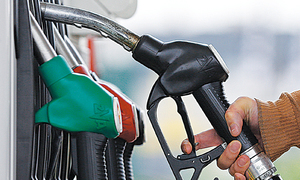
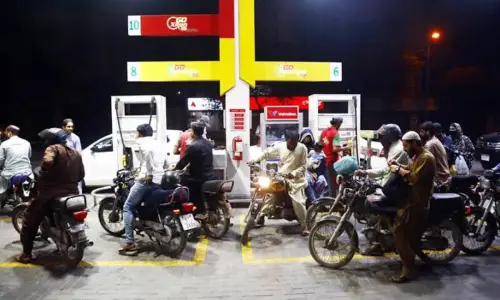
The last door held a shopping basket that wobbled whenever prices rose. Robert E. Hall and Michael Woodford won the Economics Sciences Prize for models showing how choices made by families and businesses affect the economy. Their work helps governments and central banks respond to economic problems and reduce harmful ups and downs.
Better decisions can help families facing rising prices or worries about jobs. I looked in the basket, but it held no biscuits.
The cupboard closed with a click, leaving me without crumbs. I had found people who kept asking questions to help others. Tomorrow, I shall open my science book more carefully because there might be a universe hiding inside. Perhaps there will even be a biscuit.
Published in Dawn, Young World, October 31st, 2026