PESHAWAR: Khyber Pakhtunkhwa will witness drop in dengue cases in November as the current peak month for the mosquito-borne ailment is about to end, according to experts.
With 63 new infections during the last 24 hours, the number of dengue cases in KP has risen to 5,268, according to a report released by integrated diseases surveillance and response system (IDS&RS) of public health section at the office of director-general health services. The number of active patients in the province is 169 as 5,098 have recovered.
The province recorded 2,656 dengue cases in the current year till Oct 28. The number of infected persons was 1,709 in September, 584 in August, 111 in July, 93 in June and 115 from January to May, said the report.
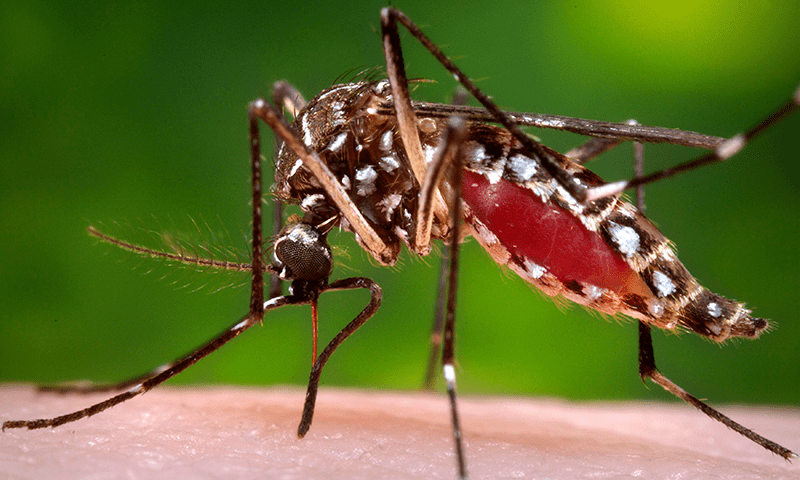
Kohat has recorded 3,008 dengue cases including 1,416 in the current month. It is the second district after Peshawar, which has recorded 1,000 dengue cases annually, due to violent breakouts caused by standing water where mosquitoes, the carrier and transmitter of the virus, lay eggs and enhance production.
KP has recorded more than 5,000 cases so far
Peshawar has recorded 655 dengue patients, Khyber has registered 554 infections, Bannu 192, Haripur 150, Charsadda 95, Abbottabad 79, Mansehra 68, Karak 65, Nowshera and Hangu 54 each, Dera Ismail Khan 46, Lakki Marwat 44 and Swabi has reported 34 cases.
“With dip in mercury, dengue cases will start decreasing on Nov 3. Within three weeks, cases will drop suddenly as mosquito cannot survive in low temperature,” officials told this scribe.
They said that rain could fast-track the decline in dengue cases when weather would turn cold. In the current year, except Kohat, health department’s efforts in collaboration with line department in accordance with Dengue Action Plan 2026 helped to reduce cases as well as mortalities, they added.
Last year, the province diagnosed 6,200 people with dengue including more than 1,000 residents of Charsadda due to outbreak of the ailment in three union councils of the district. One person, a resident of Tank, has died of dengue this year so far as compared to four persons killed by the virus last year.
“Awareness has increased as people adopt safety measures to avoid mosquito-bites and stay safe not only from dengue but also from other vector-borne diseases, such as malaria. However, people face power outages and they have no option except to store water when electricity is available,” said officials.
They said that uncovered water acted as breeding sites for mosquitoes. “Health and other departments cannot reach every home. The simple message about dengue prevention is to eliminate water pools and persuade people to change water in the water-cooler within three days,” they added.
The IDRRS report said that dengue cases had already dropped to zero in Dir Upper, Upper Kurram, Torghar and Shangla.
Officials said that work on Dengue Action Plan had been started in the beginning of current year to control infections and deaths but the outbreak in Kohat, Khyber and Bannu added to provincial tally of patients.
The updated action plan was drawn by government with inputs from preceding year involving the major step of coordination among 19 line departments to ensure that the environment was free of virus, they said.
“Next year, cases will emerge in the same pattern but the only way forward is to foster coordination among government departments and eliminate habitats of mosquitoes,” they said.
Published in Dawn, October 29th, 2026