Part of London's iconic Oxford Street pedestrianised 'forever'
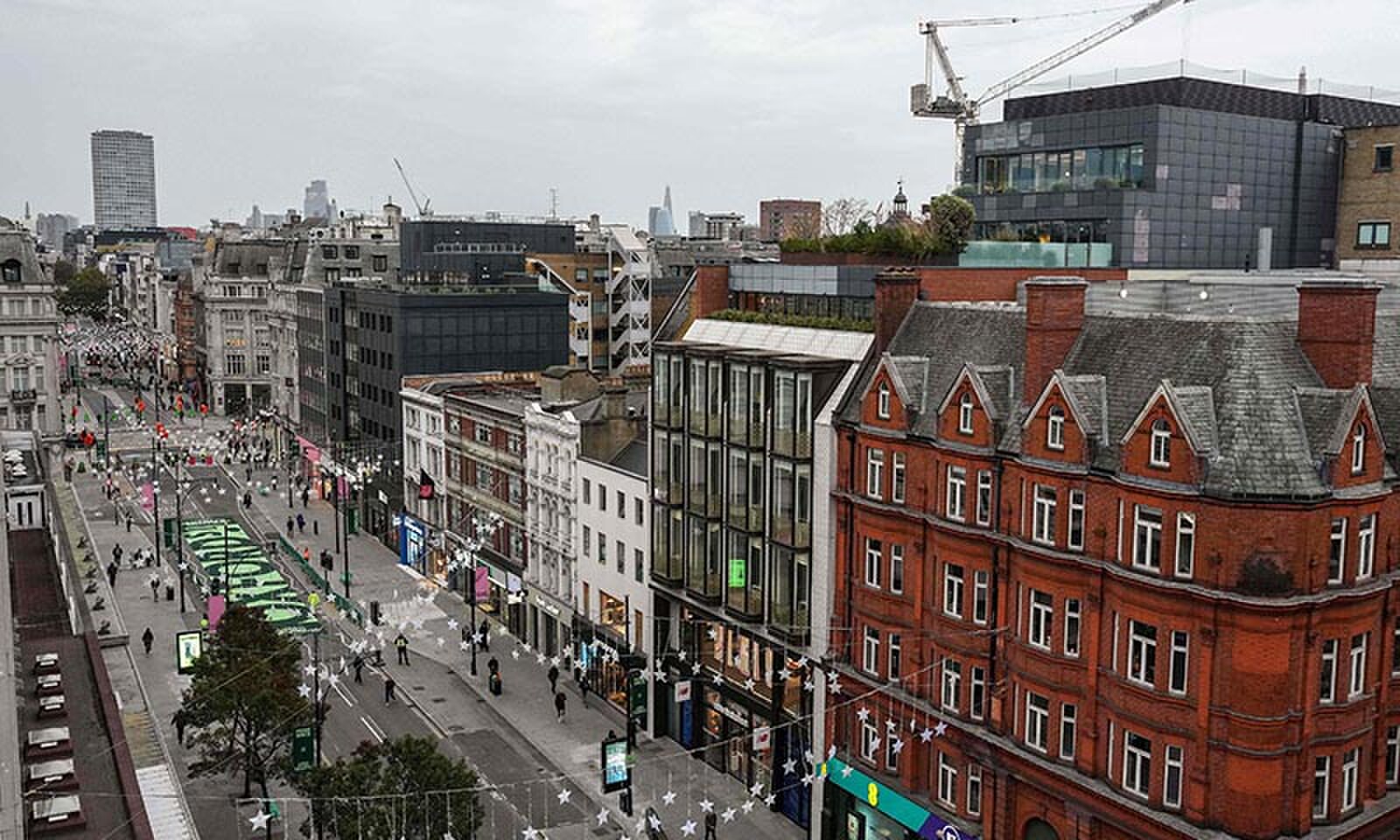
A stretch of London’s iconic Oxford Street was made traffic-free “forever” from Monday, as pedestrians took over the country’s most famous shopping street, absent of the capital’s red double-decker buses and black cabs.
Shoppers walking along the street told AFP this was a “good idea”, but drivers of London’s famous black taxi cabs rejected the move as “crazy”.
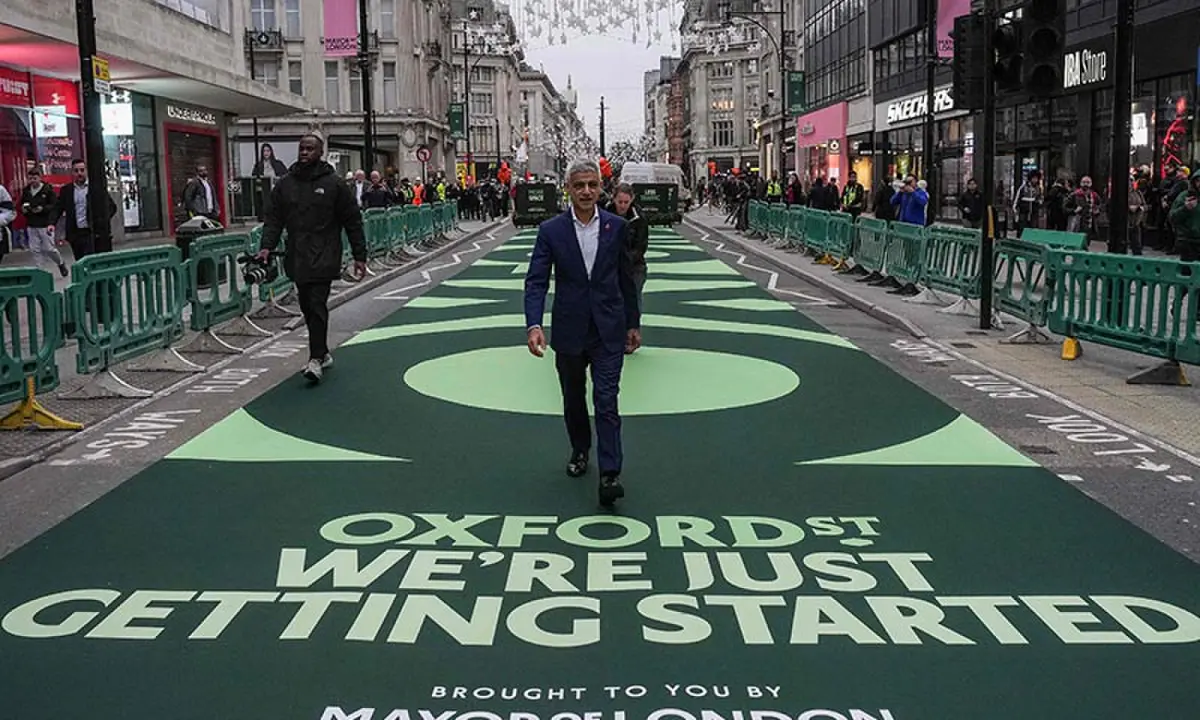
“This is a momentous day for Oxford Street, but also for London,” Mayor Sadiq Khan told reporters on the thoroughfare, one of the busiest shopping zones in Europe.
“I want to be supporting our shops in Oxford Street and have a kilometre worth of this street — almost half of this street — traffic-free forever,” Khan said, adding the pedestrianisation would increase the number of shoppers.
Those walking in the area on a rainy Monday said they backed the move.
“Overall, I think it’s a very good idea. It should have been done before,” said John Oxford, an 83-year-old professor of virology.
“It gives people more of a chance to actually explore the shops, explore the iconic Oxford Street,” said Madaki Kanya, a 19-year-old visiting from Manchester in northwest England.
“It’s a lot more comfortable walking around, not dodging the cars and the traffic,” agreed Paul Facer, 62, from Weymouth in the southwest, who was visiting with his wife.
‘Decades of decline’
The street brings in some £3.1 billion ($4.1bn) spending annually, but has faced challenges, including shops shuttering during the Covid-19 pandemic and a loss of footfall due to a shift to online shopping.
“Over the last couple of decades it’s been in decline, I’d say managed decline,” Khan told BBC Radio 4 about the street lined with luxury retailers, clothing chains, and department stores.
“I’m not willing to stand by as shops leave this street, as jobs leave this street,” he said.
But the scheme has proved controversial among residents worried about traffic jams in neighbouring areas as well as among disability rights activists.
Black cab driver Jason Harvey, 51, told AFP that “to pedestrianise any part of Oxford Street is crazy”, citing the needs of people with disabilities and young children.
Another taxi driver, Brendan Cooper, said people with disabilities will “have to walk 150 yards around the back of the stores to get a taxi”, calling this “just ridiculous”.
Khan insisted there were cab ranks and bus stops near the street so people can still access the area with ease.
“For centuries, Oxford Street has reinvented itself, adapting to changing times and helping shape British culture along the way,” he added, saying the move would “revitalise” the road and make the capital “greener”.
Around half the street has been pedestrianised, with plans to close off the rest to vehicles depending on the success of the first phase.
“Today marks an exciting new chapter for Oxford Street as work begins to transform one of the world’s most iconic high streets,” said Meave Wall, chief retail and digital officer at the Selfridges department store, which opened on the West End road more than a century ago.