Why the world still needs World Trade Organisation
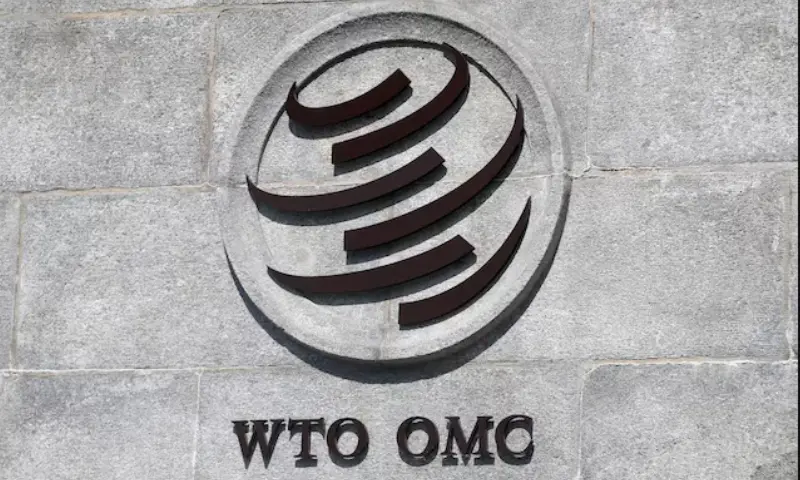
The World Trade Organisation has spent much of its recent life being told it is obsolete. In its World Trade Report 2026 launched last month, the Geneva-based body tells us what would happen if the rules are simply allowed to ‘wear away.’
It says the outcome would be quite expensive for the global economy. It models a world that breaks into rival geopolitical blocs and finds global GDP would be 5.1 per cent lower by 2050 than it would otherwise be, with exports dropping by 18.6pc. In a harsher scenario, where multilateral cooperation collapses, GDP falls 6.9pc and exports by nearly 27pc. Set against that, a reinforced system could add about 2.9pc to global output and lift exports by almost 18pc. That is roughly three trillion dollars.
The report is the WTO’s flagship study and looks back over 80 years of trade rules. It is also a warning: reform the system or risk a slide into fragmentation.
WTO Chief Economist Rob Staiger has told Reuters that the trading system is at a “critical juncture”. The report names four pressures: economic power is spread more widely than when the rules were written; governments intervene in their economies far more; digitalisation and global value chains have changed what trade actually is; and political friction between major powers keeps rising.
Weaker WTO means riskier world for trade
None of this is new to anyone who follows trade. What the report adds is a price tag, and some uncomfortable detail. About 72pc of global merchandise trade still moves on WTO most-favoured-nation (MFN) terms, meaning without special preferences for particular partners. Four years ago the figure was roughly 80pc. Staiger called the slide a “worrisome trend”, and it is the sort of change that does not announce itself. Nobody declares the end of a rules-based order. Trade simply migrates, one exemption and one bilateral deal at a time, until the exception becomes the norm.
The WTO says trade policy uncertainty has reached unprecedented levels as governments reach for tariffs, subsidies, export controls and industrial policy. Regional and sector-specific deals are multiplying in response. Without a strong multilateral framework, such arrangements divert trade towards preferred partners rather than the most efficient producers, and encourage blocs to raise barriers against outsiders. The WTO rules restrain discrimination against non-members and shape how free trade agreements are built. Take that discipline away and the incentive to build walls grows.
The Trump factor: Erosion of the trading order in recent years cannot be discussed without naming the biggest single force behind it. The protectionism led by the United States under two non-consecutive Trump administrations has been a decisive rupture with the multilateralism that shaped the economy in the last eight decades.
What began in 2018 as retaliation against steel and aluminium imports into the US has hardened into a tariff doctrine, revived and widened in Trump’s second term from 2025. It is wrapped in the language of national security and economic sovereignty. However, the logic is strained. Tariffs on allies’ steel were not a response to a security threat, and blanket duties on nearly everything cannot be defended as one. The language of security has become a licence for unilateralism, and it undermines the assumption on which the WTO rests: integration and reciprocity would discipline the strong as well as the weak.
The costs are not hypothetical. Studies by the IMF and the US Federal Reserve in the last few years have documented real income losses, disrupted supply chains and weaker investment from earlier rounds of tariffs. Costs for US consumers and manufacturers who depend on imported components have been substantial. The 2025 programme with its blanket tariffs and punitive duties on Chinese goods and electric vehicles, moves US policy from rules-based liberalism towards transactional nationalism, in which access to the American market is a favour to be bargained for.
Even at home, the approach has run into legal limits. In May 2025, the US Court of International Trade ruled that the president had exceeded his authority under the International Emergency Economic Powers Act when imposing a universal 10pc tariff; the appeals court upheld that decision. The rulings are a reminder that policy built on emergency powers is fragile, and that trading partners are being asked to reorder their economies around measures that may not survive scrutiny.
When the largest economy treats the rulebook it helped write as optional, others retaliate. Some hedge by building their own blocs and some conclude the rules were only ever meant for others.
The report’s most striking finding is about distribution. Least-developed countries would gain the most from stronger multilateral cooperation, and lose the most from fragmentation. Pakistan has experienced this. Its exporters have had to absorb tariff shocks and renegotiate access. Rules do not guarantee fairness, but they make the terms of competition predictable, and predictability is what small economies cannot afford to lose.
WTO director-general Ngozi Okonjo-Iweala struck a more hopeful note at the report’s launch. The system has been repaired and refreshed before, she said, and it can happen again. “Let’s not be fearful,” she said.
The report does not argue that the system is working as designed. Its argument is that the alternative to imperfect rules is worse, and that the choice is not between the old order and a better one, but between repair and decline.
The bottom line is plain. Trade rules are not an administrative distraction. The choice between renewing them and letting them lapse is worth trillions of dollars, especially for countries with the least say in whether the rules survive.
Published in Dawn, The Business and Finance Weekly, October 26th, 2026