Nearly all coral reefs risk collapse in 50 years: IUCN
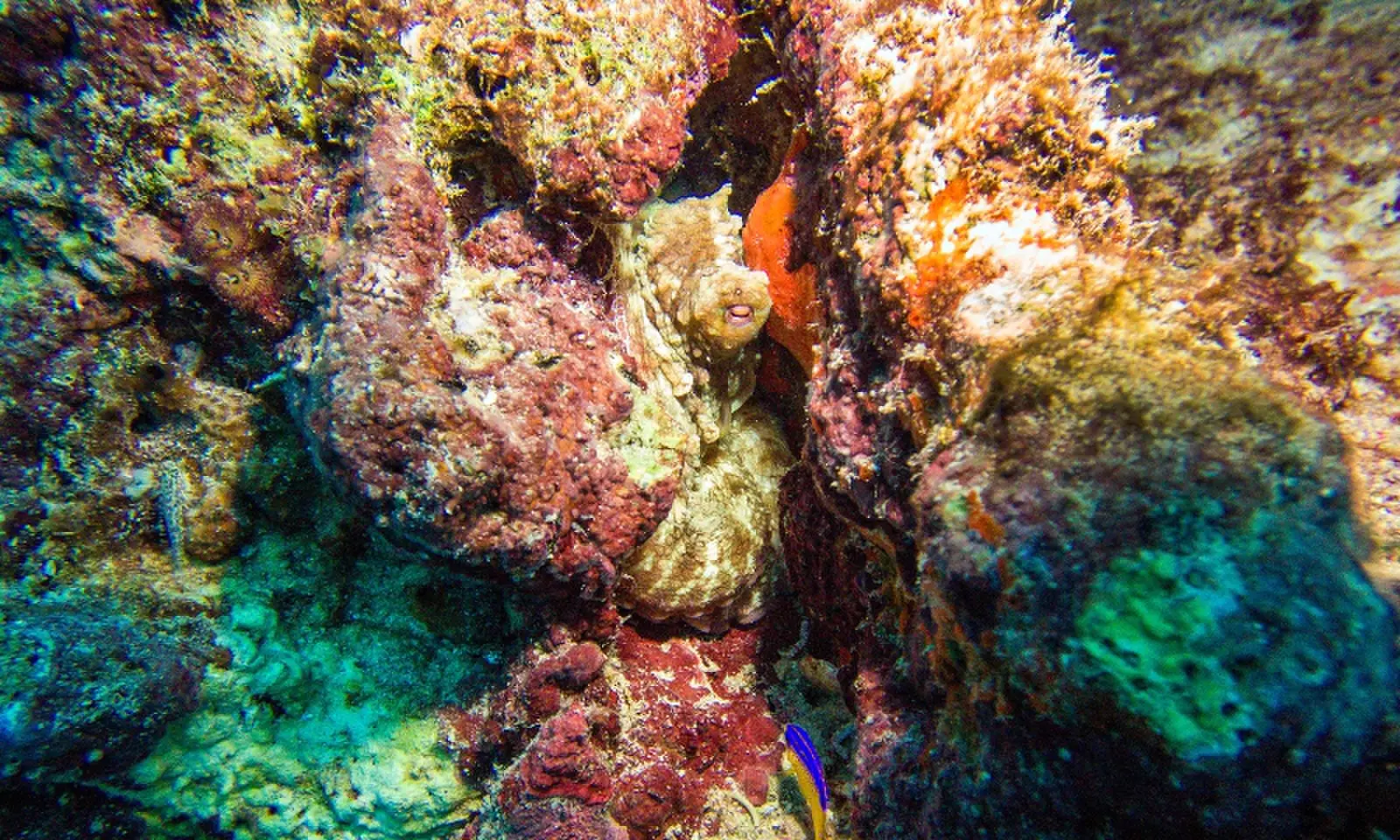
YEREVAN: Nearly all of the world’s shallow-water coral reefs face an extremely high risk of collapse by 2075 due to climate change, the International Union for Conservation of Nature (IUCN) warned on Thursday.
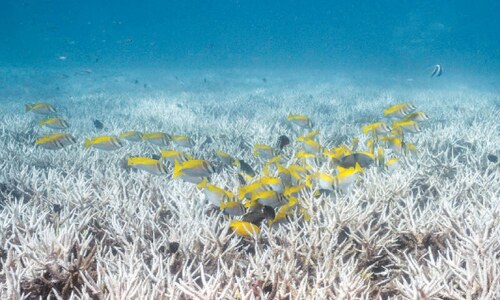
In the first global assessment of its kind, the world authority on threatened wildlife classified 96 percent of the planet’s coral reef systems as “critically endangered” — its highest risk category. Corals are heat sensitive and particularly vulnerable to human-driven climate change, which is warming the world’s oceans and increasing the frequency and intensity of damaging bleaching events.
“The future threat of climate change is looming and severe, and that poses a very high risk to the survival of these ecosystems,” said Mishal Gudka, scientific lead of the IUCN Red List of Coral Reef Ecosystems assessment.
The emergence this year of a “super” El Nino, the natural warming phenomenon, also presents a risk to corals, Gudka said at a news conference at the UN’s COP17 biodiversity summit in Yerevan, Armenia. The IUCN presented its findings at COP17, where governments are under pressure to make progress on a landmark pact to halt and reverse biodiversity loss by 2030.
For its assessment, the IUCN used the “middle-of-the-road” scenario from the UN’s panel of climate experts that projects global temperatures rising 2.7C above pre-industrial levels by 2100. The world is on track for 2.6C warming this century under current global commitments to cut planet-heating emissions, the United Nations warned on Wednesday.
“Heat stress from climate change is the single most consistent threat driving coral reef decline worldwide,” the IUCN said in a statement. Overfishing is also hurting corals as certain herbivores and predators help control algae and maintain an ecological balance, the organisation said.
The overexploitation of parrotfish and other groupers threatens 63pc of coral reef ecosystems. Coastal development, pollution, tourism and more frequent storms are among other threats.
Critically endangered coral
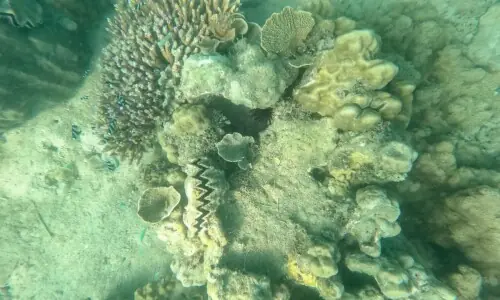
The IUCN’s analysis examined 127 tropical and subtropical coral systems covering 188,362 square kilometres. The world’s largest and most biodiverse coral reefs are among those classified as critically endangered — Australia’s Great Barrier Reef, the Coral Triangle in southeast Asia and the western Pacific, the Caribbean’s Mesoamerican Barrier Reef System, and the Red Sea coral reefs. A reef ecosystem collapses when hard corals — which build its living foundation — largely disappear and are replaced by algae, rubble and sponges.
A study published in the journal Nature last week found that, by 2020, nearly half of coral species were at “elevated relative risk of extinction”, with climate change the main driver of this decline. Despite its warning, the IUCN said coral reefs in most parts of the world “are not yet lost”.
If scientists look only at what has happened over the past 50 years, excluding future climate projections, 24 percent of coral reef ecosystems would be deemed critically endangered instead of 96pc, the IUCN said.
“This gives us a critical window for action for us to scale up conservation efforts and climate action to prevent the worst outcomes from occurring,” said Gudka, who is also research director at Coastal Oceans Research and Development in the Indian Ocean (CORDIO) East Africa, a conservation organisation.
“The actions we take over the next few years will determine what these ecosystems look like at the end of the century, whether they persist as we have known them, or whether they transform into a different ecosystem, which is worth less to both nature and people,” he said.
IUCN Director General Grethel Aguilar said it was “not too late to give coral reefs a chance to recover”.
“We know what is needed: ambitious emissions reductions, stronger protection and restoration efforts, and sustained investment in resilient coastal ecosystems and the communities that depend on them,” she said in a statement.
Published in Dawn, October 23rd, 2026