Nations urged to curb harmful subsidies at UN nature summit
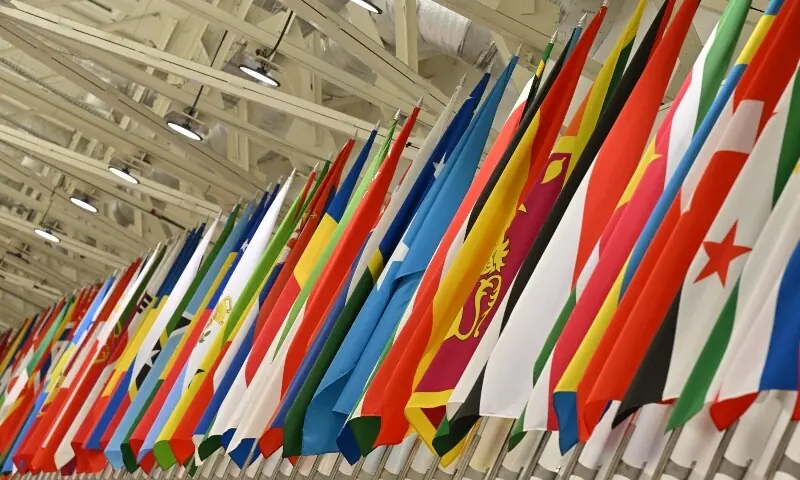
YEREVAN: The UN biodiversity summit kicked off in Armenia on Monday with calls to overhaul subsidies for extractive industries that harm the planet, as governments fall behind on their commitments to protect nature.
Nearly 200 nations joined a historic call four years ago to halt and reverse the destruction of nature by 2030, but governments have been slow to act on these pledges.
According to a United Nations scorecard released ahead of the COP17 biodiversity talks, all but one of the 23 goals of the “Paris Agreement on Nature” are off track.
The UN’s biodiversity chief Astrid Schomaker said the biggest gaps “are found in areas requiring deep economic and societal transformation”, including on the politically thorny issue of subsidy reform.
Despite promising to eliminate harmful subsidies, around $2.6 trillion a year in government spending still goes to activities that negatively impact biodiversity like coal and gas extraction and industrial farming.
“Incentives harmful to biodiversity should be reduced,” Chinese Environment Minister Huang Runqiu told delegates at the opening of the summit on Monday.
Under the biodiversity deal, nations promised to reduce harmful incentives by $500 billion a year by 2030. But little headway has been made.
Follow the money
At the same time, promises by governments to increase financial support for biodiversity have gone unmet.
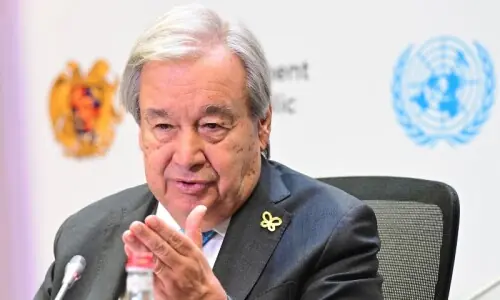
Ahead of COP17, UN Secretary General Antonio Guterres scolded governments for “spending money on the wrong things” and said “subsidising fossil fuels is subsidising suicide”.
Experts say a lack of finance is one of the biggest barriers to the 2030 nature goals.
A lack of cash holds back efforts to tackle pollution, combat invasive species, and safeguard 30 per cent of land and oceans, particularly in developing countries home to some of Earth’s biodiversity hotspots.
“We have to change where existing money goes. We cannot finance nature with one hand and subsidise its destruction with the other,” Celine Beaulieu from WWF told reporters in Yerevan.
European and other wealthy nations obligated to provide biodiversity finance are expected to push at COP17 for large emerging economies like China to help plug the shortfall.
Near-empty fund
But attention is likely to focus more on how private capital, not public finances, might chip in.
A key priority will be encouraging corporations to donate a share of profits to a near-empty UN fund to support conservation in developing countries.
An Lambrechts from Greenpeace said decisions taken at COP17 “will only matter if governments follow through at home”.
“They cannot continue promising to protect nature while supporting its destruction through harmful subsidies and incoherent policies. Any more delay is a threat to our survival on the planet,” Lambrechts said.
On Monday, Armenia’s Environment Minister Hambardzum Matevosyan, who is presiding over the political negotiations known as COP17, said nations had “a unique chance to correct the course” in Yerevan.
The summit is one of the largest events ever hosted in Armenia, with up to 15,000 visitors expected over the next two weeks.
It comes at a difficult time, with public finances under strain and attention fixed on geopolitical tensions and an energy crisis.
Published in Dawn, October 20th, 2026