US-sanctioned ICC shortlisted for EU’s rights prize
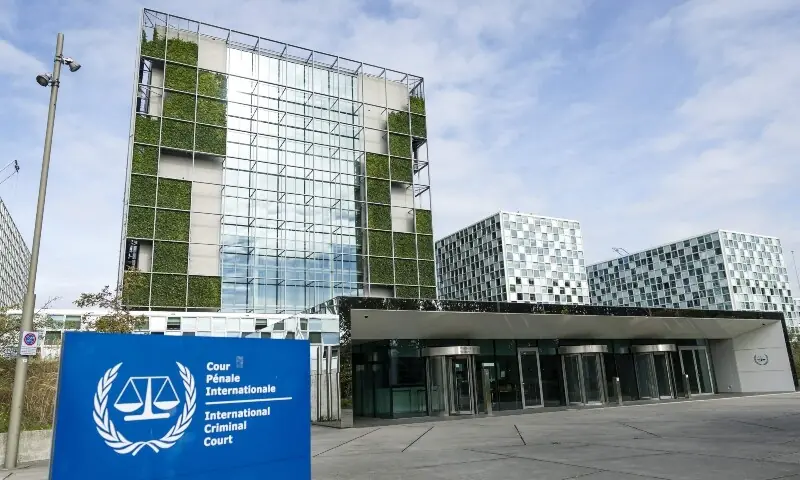
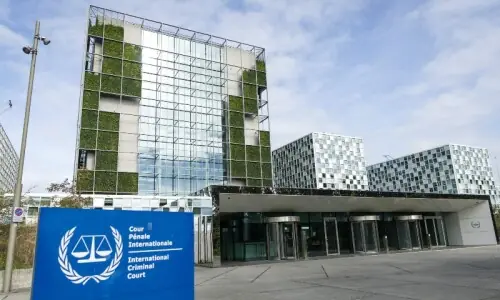
STRASBOURG: Facing US sanctions, the International Criminal Court was shortlisted Monday for the European Union’s top rights prize in what supporters described as a show of support for a fraying rules-based international order.
The European Parliament named the Netherlands-based tribunal among the three finalists for its Sakharov Prize alongside Tanzania opposition leader Tundu Lissu and twin sisters Taraneh and Romina Rahimi, representing those prosecuted by the Iranian government.
Set up in 1988 and named after Soviet dissident Andrei Sakharov, the prize is bestowed annually on individuals or organisations to recognise their fight for human rights or democracy.
“In an increasingly fraught global environment, it has never been more important – or more challenging – for MEPs to support them in their struggle,” said Barry Andrews, a centrist EU lawmaker from Ireland.
Contenders are nominated by parliament’s political groups as well as individual lawmakers.
Lissu, head of Tanzania’s opposition Chadema party, was detained in April 2025 and faces a possible death penalty if convicted of treason, for allegedly inciting the public to boycott last year’s elections.
Taraneh and Romina Rahimi, 21, have respectively been sentenced to death and 36 years in prison for having taken part in anti-government protests in Iran.
This month, the US announced sanctions against the ICC aimed at crippling the day-to-day operations of the court, which tries individuals for war crimes, crimes against humanity and genocide.
US President Donald Trump’s administration has vowed to dismantle the court “brick-by-brick”, furious that judges have issued an arrest warrant for Israel’s Prime Minister Benjamin Netanyahu for crimes in Gaza.
Published in Dawn, October 20th, 2026