ISLAMABAD: The Pakistan Environmental Protection Agency (Pak-EPA) said on Thursday that existing regulations did not ban polyethylene terephthalate (PET) bottles, amid reports that federal authorities had begun removing bottled products from shop shelves.
Dr Zaigham Abbas, an official of the federal agency, said Pak-EPA was the sole environmental regulator for Islamabad and there was no legal basis for removing PET bottles from sale. He added that the Islamabad Capital Territory administration had been informed.
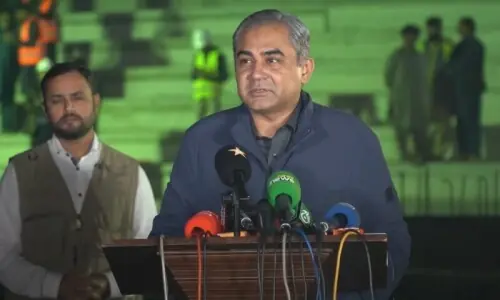
Last Sunday, Minister of State for Interior Talal Chaudhry, in a statement announcing a ban on single-use plastic bags in the federal capital by December 31, also mentioned that the ban would include plastic bottles, including water bottles.
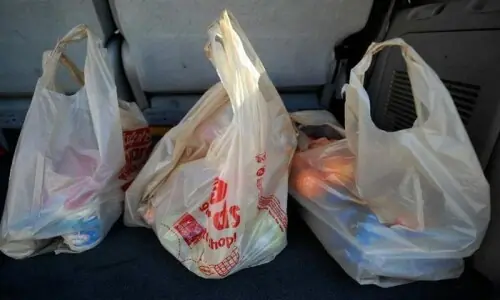
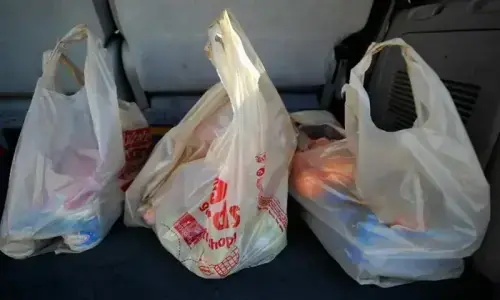
On the same day, Dr Zaigham Abbas, director of National Environmental Quality Standards at Pak-EPA, told Dawn that plastic bags used to package rice, lentils, sugar, bread and other food products with a shelf life did not fall within the definition of single-use plastic bags.
“Such plastic bags are used to protect food from going bad and have shelf life. All other types of plastics that people use and throw, such as plastic cups and spoons, will be checked,” he said.
He also said, “Plastic bottles for water are also exempted from regulations till 2028.”
However, Talal Chaudhry’s remarks appeared to have sparked controversy over a possible ban on plastic bottles, prompting the Collect and Recycle (CoRe) Alliance to express concern over a ban on polyethylene terephthalate (PET) bottles across various categories in Islamabad.
The alliance argued that such a ban would be scientifically unjustified, environmentally counterproductive, inconsistent with international best practices for a circular economy, and detrimental to businesses operating in the country.
In a letter dated October 13 to the Special Investment Facilitation Council, the CoRe Alliance sought intervention, arguing that the action was inconsistent with the 2023 regulations and could disrupt businesses involved in bottle collection and recycling.
CoRe and the Overseas Investors Chamber of Commerce and Industry had urged Interior Minister Mohsin Naqvi and Climate Change Minister Musadik Malik to prioritise recycling through producer-funded collection, waste segregation and investment in infrastructure.
They argued that PET was lightweight and recyclable, and that replacing it with glass or aluminium could increase transport emissions and energy consumption.
Responding to the proposed ban on single-use plastics in Islamabad by the end of the year, critics said the target was unachievable.
“The government needs to work on reducing demand. Customers argue with shopkeepers for shopping bags. Promotion of my bag concept be encouraged starting from education institutions, public and private offices etc,” said a former Pak-EPA official.
Critics also argued that penalising shopkeepers, traders and producers alone would not bring about change and that authorities should also penalise consumers. “This may bring some change in public consumption pattern,” he said.
Published in Dawn, October 16th, 2026