Lawmakers, govt differ over Discos’ privatisation
• Muhammad Ali claims CCI nod not required, says Discos caused over $30bn in losses over 15 years
• Panel seeks records of council’s decisions, other consultations
• Questions Rs2.6tr federal spending on devolved subjects
ISLAMABAD: The proposed privatisation of power distribution companies (Discos) stirred controversy on Wednesday, as a Senate panel maintained that the matter constitutionally fell within the domain of the Council of Common Interests (CCI), while the government’s top privatisation official insisted that no fresh CCI approval was required.
Adviser to the Prime Minister on Privatisation Muhammad Ali told a subcommittee of the Senate Functional Committee on Devolution that no new CCI approval was needed for the privatisation of Discos. He added that the companies had caused losses of more than $30 billion over the past 15 years.
He said the CCI had approved the privatisation of three power generation companies and nine distribution companies in 2011. It also approved the National Electricity Policy on June 21, 2021, which recommended that the government explore various privatisation options to improve the efficiency of state-owned entities where applicable. Both decisions remained valid, he said.
On the validity of the decisions, the law division, in a Sept 25, 2026 letter, reconfirmed that in light of the 2011 CCI decision, fresh approval was not required for the privatisation of Discos.
Accordingly, the privatisation division maintained that no fresh CCI approval was required in light of the 2011 decision and the 2021 National Electricity Policy, Mr Ali said.
The adviser told the subcommittee that legal and procedural requirements for the privatisation process had been fulfilled.
He said the National Electricity Policy 2021 had been formulated after obtaining recommendations from the provinces and that the privatisation programme had subsequently been approved, with further work undertaken during 2023-24.
Referring the matter back to the CCI at this stage could cause significant delays, affect investor confidence and adversely impact the financial position of power distribution companies, he argued.
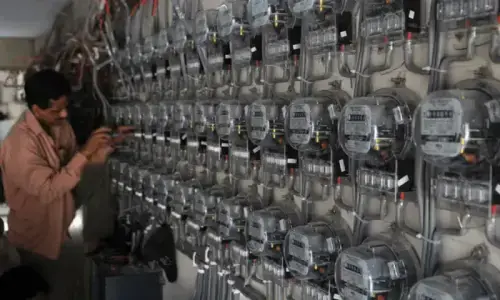
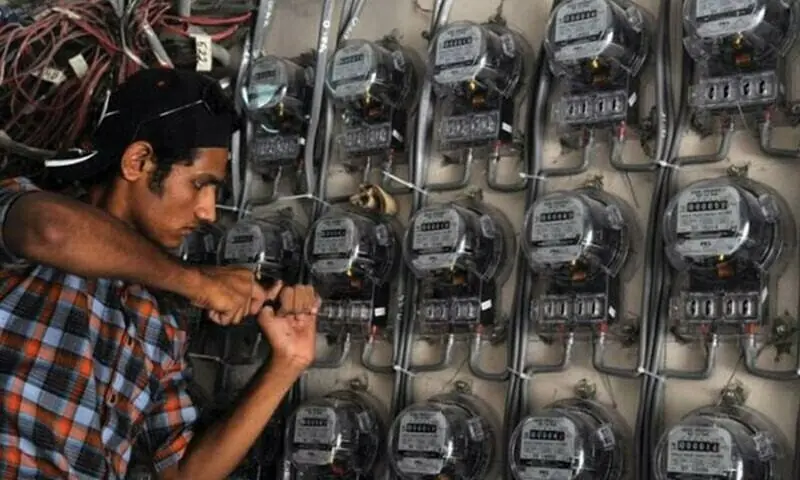
Highlighting substantial losses faced by the power sector due to electricity theft and operational inefficiencies, he stressed that privatisation was necessary to improve performance and reduce burden on the national exchequer.
Responding, subcommittee convener Senator Zamir Hussain Ghumro emphasised that the constitutional position and role of the CCI could not be overlooked.
He questioned whether the proposed privatisation was consistent with the constitutional distribution of powers under Article 157, observing that electricity distribution and related matters involved provincial interests.
Referring to previous judicial decisions and privatisation initiatives, he stressed the importance of transparency and protecting provincial interests, and asked authorities to provide relevant decisions and supporting documents for examination. He said provinces, being represented in the CCI, should have an opportunity to consider matters falling within their domain.
Officials informed the committee that the CCI had taken 11 relevant decisions and that, according to available record, no province had formally recorded reservations. They assured that relevant documents and details of provincial consultations would be shared. The minister reiterated that all necessary legal requirements had been met and referring the matter back to CCI was not considered necessary at this stage.
The chairman reiterated that the committee’s examination was intended to ensure constitutional compliance, transparency and effective parliamentary oversight, and directed authorities to furnish decisions and supporting documents so the matter could be assessed in light of the Constitution and previous judicial pronouncements.
He said constitutionally the matter was related to CCI and necessary documents must be submitted to examine the process from all aspects.
The subcommittee met under the convenorship of Senator Ghumro to review federal expenditure on ministries, institutions, organisations, statutory bodies and corporations retained by the federal government despite provincial matters following the 18th Constitutional Amendment. It also examined compliance reports and status of matters concerning the CCI.
The meeting was attended by Senators Jan Muhammad Buledi and Poonjo Bheel, secretaries of cabinet, CCI, Establishment Division, special secretary establishment, additional secretary establishment and senior officers.
At the outset, the report of the Auditor General of Pakistan (AGP) and the Accountant General on expenditure incurred by the federal government on ministries relating to provincial subjects was taken up.
The chairman observed that despite 16 years since the 18th Amendment, concerns persisted regarding federal expenditure on devolved subjects, including education and health, which had been notified as provincial matters by the Implementation Commission.
Referring to Articles 168 and 169 of the Constitution and the legal framework governing the audit of public expenditure, he questioned the authorisation and constitutional basis for expenditure of approximately Rs2.6 trillion on the health and education ministries over the past 16 years.
He termed the expenditure of Rs2.6tr by the federal government on the two ministries, which he said had been de-notified in 2010, a misuse of taxpayers’ money, arguing that the Centre could spend only on federal subjects.
He said the amount could rise to several trillion rupees once expenditure on other ministries created for provincial subjects was included.
Mr Ghumro expressed concern that the details sought by the committee had not been submitted within the stipulated timeframe and stressed that parliament was the primary authority for authorising public expenditure, and that such expenditure should be confined to federal subjects.
He maintained that expenditure from the Federal Consolidated Fund could not be authorised for devolved provincial matters. AGP officials explained that the audit process was guided by budgets approved by the competent parliamentary forum and acknowledged certain limitations in coverage.
Published in Dawn, October 15th, 2026