LONDON: Iran is stepping up attempts to hit harder targets such as military sites in Britain and Russia is increasing its hybrid warfare against Ukraine’s allies, the UK’s domestic spy chief said on Tuesday. In his annual speech on wide-ranging threats to Britain, MI5 Director General Ken McCallum also said the greatest concern about the misuse of AI was terrorists being able to develop bioweapons or even create new pathogens.
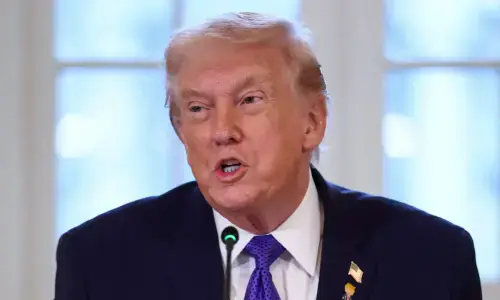
McCallum said state threats had quadrupled over the last decade, and his organisation now devoted more resources to the issue than during the Cold War. On Monday, British Prime Minister Andy Burnham said Tehran was “highly likely” behind a suspected plot against RAF Fairford, an airbase used by US bombers to carry out strikes on Iran. It prompted a security alert and led to US President Trump withdrawing planes from the air base.
Tehran has rejected accusations of involvement in the Fairford incident or any other accusations of malign activity in Britain where the authorities have for a number of years accused it of being involved in plots and attempted assassinations against dissidents and Israeli and Jewish targets.
Russia also denies involvement in hostile acts in Britain and other Western countries, but McCallum said it remained the “aggressor number one”.
McCallum expresses concern over weaponisation of artificial intelligence to develop lethal pathogens or modify existing biological weapons
AI threats
McCallum echoed comments from other European spy agencies that Russia was using tactics just short of conventional conflict, citing the attempted drone attack on a cargo plane at a German airport and a cyber attack on Polish energy infrastructure.
“It’s no accident that Russian aggressors are trying to unsettle other European homelands at a time when their military progress in Ukraine is minimal and horrifically costly.”
Russia has rejected Germany’s accusations over the incident at Leipzig/Halle Airport in August as “entirely fabricated”.
Speaking about AI, McCallum said the technology was “supercharging the cybersecurity contest between attackers and defenders” and terrorists were exploiting it to improve reconnaissance and attack methodologies.
“Not yet realised — the misuse case to which I’d attach greatest weight — is AI’s potential to change the stakes on existing or even new bioweapons,” he said, adding it was the area on which he and his colleagues were “particularly focused”. “These risks are real.”
Published in Dawn, October 14th, 2026