IF anything, the IMF reviews capture the paradox of Pakistan’s economic management. The numbers may be improving, but the economy itself remains largely unchanged.
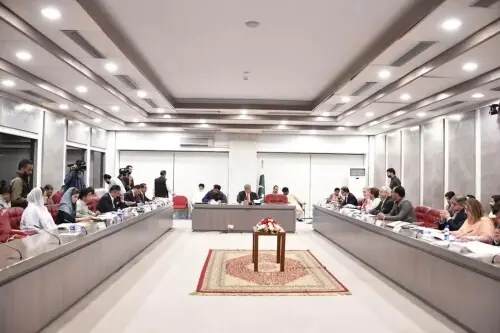
The government is meeting some fiscal and monetary targets while missing reforms that would alter how the state and markets actually function. There is something increasingly tiring about watching these IMF reviews. The IMF mission arrives. The government presents its case. Officials hold meetings. Statements are issued. Then the Fund’s assessment comes out, identifying almost exactly the same strengths and weaknesses that were previously pointed out. The purpose of the reviews cannot simply be to pass successive tests. Yet much of the economic effort still appears organised around precisely that objective: meet the quantitative targets, secure the next tranche and move on to the next review.
The government has achieved an important degree of macroeconomic stability. Fiscal discipline has improved. Foreign exchange reserves have been rebuilt — even if they remain fragile. The external account is less precarious than it was. These are not small gains. But stability is supposed to create the space for reform and sustainable growth. It cannot become an end in itself. The more uncomfortable question is what has actually changed underneath the stabilisation numbers.
The IMF itself continues to point to delayed critical reforms, market interventions, weak governance and missed social-sector spending. The government has also yet to fully implement several legislative and institutional changes agreed under the programme. This suggests a bigger problem. The government, like its predecessors, may be trying to complete the programme without fundamentally changing the economic model that repeatedly produces the need for such programmes. Once the programme is completed and reserves rebuilt, it may loosen the fiscal and monetary brakes to accelerate growth before the election. The temptation will be to spend the gains of stabilisation on a short-term growth push and flaunt the resulting numbers as economic success. We have been there before — not once, not twice, but more than two dozen times. The danger is repeating this cycle after the current programme. Growth must come from structural reform, not spending the gains of stability and returning to the IMF yet again.
Published in Dawn, September 25th, 2026