PAEC Foundation signs contract for hydropower plant at outfall of Chashma-5
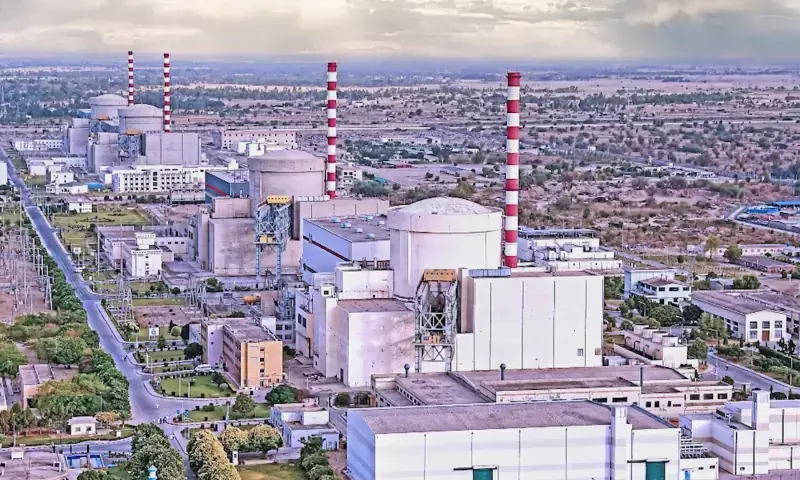
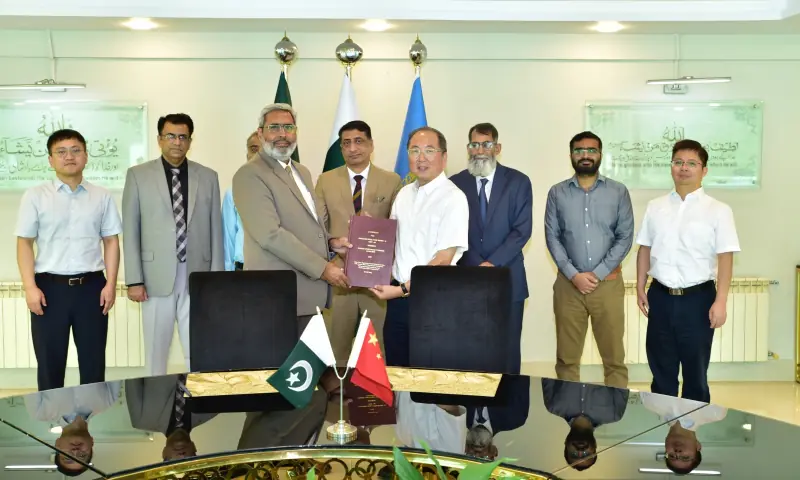
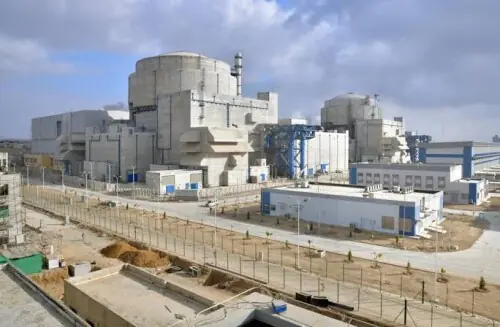
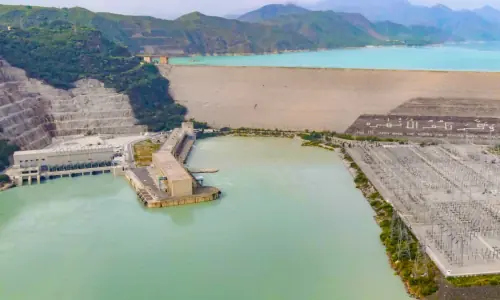
ISLAMABAD: Pakistan Atomic Energy Commission (PAEC) Foundation has signed a contract for the establishment of its fifth hydropower plant, Foundation Hydel Power Plant Unit-05 (FHPP-05), a five-megawatt project to be constructed at the outfall of the Chashma-5 Nuclear Power Plant.
Once operational, the plant is expected to generate approximately 30.66 million kilowatt-hours of clean electricity annually for the national grid, the PAEC said in a statement.
PAEC Foundation is the non-profit arm of PAEC, established in 1994 for the welfare of commission employees and their families.
The project will harness the available hydropower potential at the site, contributing to the efficient utilisation of water resources and sustainable power generation.
Electricity generation is expected to commence by September 2029.
The project will complement PAEC’s broader contribution to Pakistan’s energy sector. PAEC’s six nuclear power plants currently generate 3,530MW of clean, sustainable and low-cost electricity for the national grid.
The plant will further expand PAEC Foundation’s renewable energy portfolio and add 5MW of clean electricity to the national grid.
The contract was signed at PAEC Headquarters between PAEC Foundation and a joint venture comprising China Ocean Engineering Construction Corporation Ltd., Ningbo Water Conservancy and Hydro Power Planning and Design Institute Co. Ltd., and Habib Rafique Engineering (Pvt.) Ltd.
Earlier this month, the International Atomic Energy Agency (IAEA) and Pakistan signed a safeguards agreement for the 1,200MW Chashma-5 Nuclear Power Plant to bolster the country’s energy security while ensuring international non-proliferation standards.
In June, the Water and Power Development Authority (Wapda) restored the affected generating units of the Gomal Zam Hydropower Station after eight years and successfully synchronised it with the national grid, bringing the facility back to its full generation capacity of 17.4MW.
In May, Prime Minister Shehbaz Sharif directed authorities to formulate a comprehensive strategy to meet future energy needs through renewable sources.
He emphasised that increased electricity generation from hydropower, solar energy, biogas and other renewable resources would help reduce production costs and positively impact economic growth.