KP launches telemetry system to minimise flood losses
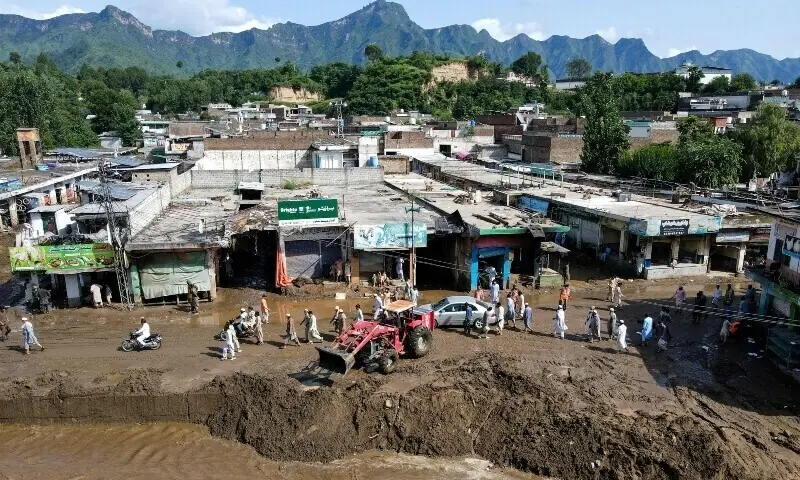
PESHAWAR: Khyber Pakhtunkhwa has introduced the ToltHawk IoT Telemetry System to improve real-time flood monitoring and strengthen early warning mechanisms amid growing climate-related risks.
Provincial minister for irrigation Riaz Khan on Tuesday said modern technology was essential to protect lives and property from floods and other climate-related disasters.
He was addressing a ceremony held here to launch the system and sign a memorandum of understanding between the KP Irrigation Department, ToltHawk USA and Flow Sense Global Pvt. Ltd.
He said the province faced major floods in 2010, 2014 and 2022, besides glacial lake outbursts, heavy rains, droughts, heatwaves and landslides. More than two million people were affected by the 2022 floods, he added.
Riaz Khan said the new telemetry system would provide real-time information on water levels, flood risks and environmental conditions, enabling authorities to take timely decisions and issue early warnings to vulnerable communities.
He said telemetry devices had already been installed and activated at Dehri Bridge in Swat, Nowshera Bridge and Kurram River Kohat Road Bridge in Bannu. Live streaming of telemetry data and its integration with the Decision Support System had also been completed.
The minister said the government was strengthening flood protection infrastructure, increasing water storage capacity and improving the irrigation network.
He said a comprehensive flood protection plan for 15 districts had also been approved.
He said the Chashma Right Bank Canal project would help bring around 286,000 acres of barren land in Dera Ismail Khan under cultivation, while other projects aimed at reducing flood risks and improving water management were under way.
Riaz Khan stressed closer cooperation among government departments, development partners, experts and technology companies to improve preparedness and ensure that early warnings reached vulnerable populations in time.
He said the government wanted to move beyond post-disaster relief by focusing on advance preparedness, timely warnings and technology-based measures to protect human lives.
Published in Dawn, September 16th, 2026