US-led forces begin pullout from Iraq’s Kurd region
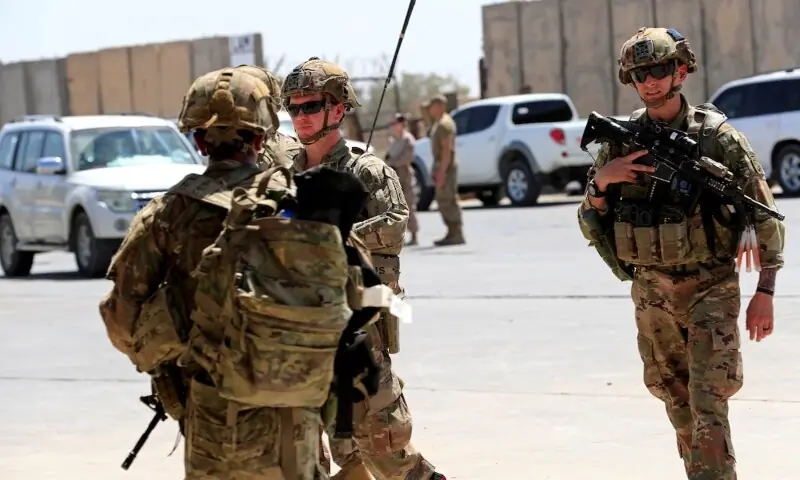
ERBIL: The US-led coalition has begun withdrawing from Iraq’s Kurdistan region ahead of a deadline to end their mission in the country, a Kurdish official said on Thursday.
They had already completed their withdrawal from other bases in Iraq in January and are now only present in the northern autonomous Kurdistan region.
They are scheduled to complete their withdrawal by Sept 30, having concluded their mission against the militant Islamic State group in Iraq, according to a 2024 agreement between Baghdad and Washington.
“Under the existing agreement, these forces must leave by the end of September, and they have in fact already begun doing so,” Kurdistan’s interior minister Rebar Ahmed told journalists.
Rival factions have been given a Sept 30 deadline to hand over their weapons
“The process has started also in the Kurdistan region, with those forces transferring daily to other locations outside Iraq,” he added.
A senior Iraqi official confirmed that coalition forces had begun withdrawing from Kurdistan, and were now only deployed at Erbil international airport. The coalition forces exited Syria earlier this year.
The US-led troops deployed to Iraq and Syria in 2014 to fight IS, which had seized large swathes of both countries and committed massacres and other atrocities.
The group was defeated in Iraq in 2017 and in Syria in 2019. Although members of the jihadist group remain in desert and mountainous areas, their attacks have massively declined, and Iraqi forces continue to launch operations against them.
The presence of the coalition, especially after IS’s defeat, has been a persistent point of contention between Iraqi authorities and Tehran-backed armed factions in the country.
For years, the Iran-backed groups have targeted coalition troops, most recently in support of Tehran during the Middle East war that began in late February. Since taking office this year, Prime Minister Ali al-Zaidi has pledged to ensure the state’s monopoly over weapons and that the armed factions will hand over their arms to the state.
While some factions have said they would join state institutions, others are refusing, citing the continued presence of foreign troops.
Authorities have also set Sept 30 as a deadline for the factions to hand over their weapons, in the hopes that the coalition’s withdrawal would remove any pretext for keeping them.
Published in Dawn, September 11th, 2026