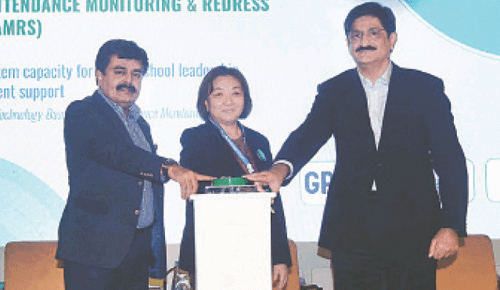
Digital attendance system extended to 3,647 govt schools in Sindh

KARACHI: The Student Attendance Monitoring and Redress System (SAMRS) has been extended to 3,647 government schools as part of the provincial government’s ongoing digital reforms.
The system, introduced on the directives of Sindh Education Minister Syed Sardar Ali Shah, is aimed at digitally maintaining students’ attendance and academic records, including academic performance, examination results and school transfers.
According to a press release issued here on Thursday, as many as 3,481 government schools had been on board on the platform by Aug 27, while the government has set a target of bringing all government schools in the province under the system by April 2027.
The minister said a digital educational profile was being created for every student, containing a record of their complete educational journey, from attendance and academic performance to examination records and school transfers.
The cabinet approved the SAMRS Policy 2026 in March this year. The system is designed to monitor student attendance, identify prolonged absenteeism and flag students who may be at risk of dropping out.
It provides facilities for student registration, student and staff attendance, grade promotion and unique Student IDs. Unique IDs and QR codes will also be issued to students to facilitate digital management of their educational records.
The system will generate daily, monthly and annual attendance reports and facilitate the issuance of certificates. It also provides for SMS, email and WhatsApp alerts to parents in cases of prolonged student absence.
To cater to schools operating in areas with poor internet connectivity, the system includes offline functionality. Geofenced attendance and offline facial recognition facilities have also been incorporated for recording student attendance.
The education department said the system was intended not only to record attendance but also to enable timely intervention in cases of absenteeism, identify students at risk of dropping out and maintain their complete educational records through a centralised, data-driven digital framework.
Published in Dawn, August 28th, 2026