Kuwait’s oil future hinges on fate of Strait of Hormuz
KUWAIT: Kuwait’s once prosperous oil sector has stood largely paralysed for months, with petroleum exports plummeting as fighting raged across the Gulf — triggering the country’s largest crisis in decades.
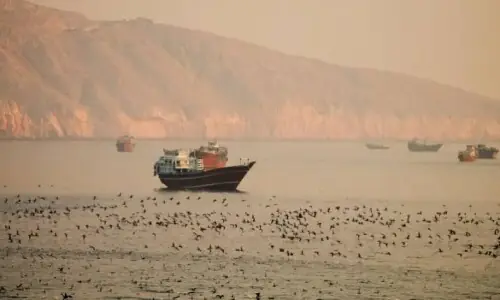
Half a year into the war, Kuwait remains a hostage to its uncompromising need to access the Strait of Hormuz — where the war between the US and Iran has choked off the once plentiful energy exports that moved across its waters.
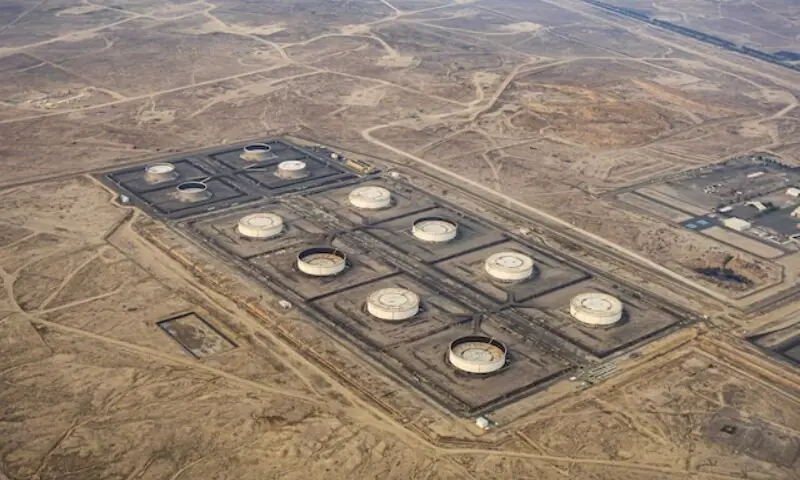
Oil has long been the bedrock for the tiny Gulf state’s economy — where more than 90 per cent of government revenue and nearly all export earnings rely on reliable crude sales. The country is also home to roughly 6pc of total oil reserves globally.
Unlike Saudi Arabia or the United Arab Emirates, Kuwait has no pipelines bypassing the strait, forcing its crude exports to sail through the contested waterway to the international market.
Over 90pc of govt revenue and nearly all export earnings depend on crude sales
“Without a doubt, this is the toughest and biggest crisis that we have faced in the oil sector in Kuwait since the 1990 invasion by Iraq,” said Kuwait Petroleum Corporation (KPC) chief executive Shaikh Nawaf Saud Al-Sabah.
Then, as Saddam Hussein’s forces retreated from a US-led onslaught to liberate Kuwait, the Iraqi army torched hundreds of wells, destroyed massive storage tanks and targeted refineries, causing catastrophic damage to much of the country’s oil sector.
Kuwait has been spared the same levels of destruction during this war but has not emerged unscathed. Just days into the war, the state-owned KPC declared force majeure — a legal manoeuvre that protects an enterprise when they cannot meet their contractual obligations due to unforeseeable events, like wars and natural disasters. The notice was lifted in June.
The country has also weathered repeated waves of Iranian strikes targeting water desalination plants and energy installations, including petroleum infrastructure along with salvos aimed at US military bases.
“This crisis has presented us with a new challenge,” Al-Sabah told AFP during an exclusive interview from a temporary office space he relocated to after KPC’s headquarters was hit by a drone strike in April.
Before the war, Kuwait was producing slightly more than 2.6 million barrels of oil per day, with an ambitious plan to reach 4m barrels daily by 2040.
“Once the strait is open, it reverts to free movement, then we can easily go back to our pre-war production levels and even higher,” said Al-Sabah.
Published in Dawn, August 15th, 2026